








The Star of the Show: Understanding Nilgiri Tea
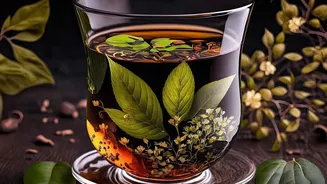
Before you start mixing, it’s essential to understand your base. Hailing from the Blue Mountains of Tamil Nadu, Nilgiri tea is often called the 'third sibling' to the more robust Assam and delicate Darjeeling. What makes it perfect for mixology is its
unique flavour profile: it's bright, brisk, and exceptionally fragrant, with distinct floral and gentle citrus notes. Unlike some other black teas, Nilgiri has low tannins, which means it has a smooth, clean finish with very little bitterness or astringency. This quality is a huge advantage, as it won't clash with the sweetness or tartness of fruit juices. Furthermore, Nilgiri tea is famous for not turning cloudy when chilled, resulting in a beverage that looks as clean and appealing as it tastes. This clarity makes it an ideal and elegant base for iced teas and mocktails.
Harnessing India's Seasonal Bounty
The secret to an exceptional tea blend lies in using fruits at their peak. India’s diverse climate offers a rotating menu of seasonal delights that can complement Nilgiri’s floral character. During the hot summer months (March to June), think tropical and juicy. Mango, the undisputed king of fruits, offers a luscious sweetness. Watermelon and muskmelon provide intense hydration and a subtle sweetness, while lychee adds a fragrant, exotic perfume. As the monsoon arrives (July to September), tart and tangy fruits like jamun (black plum) and aloo bukhara (plum) come into season, offering deeper colours and complex flavours. Winter (October to February) is the peak season for citrus fruits like Nagpur oranges and kinnow, which bring a zesty, bright acidity that beautifully echoes Nilgiri's own citrus notes. Pomegranate, with its jewel-like seeds and sweet-tart juice, is another winter favourite.
Mastering the Art of Infusion
Successfully blending tea and fruit is about more than just pouring them into the same glass. The best results come from thoughtful preparation. Start by brewing a strong concentrate of Nilgiri tea—using about double the amount of tea leaves you normally would—and letting it cool completely. This ensures the tea’s flavour isn't diluted. For the fruit, while fresh juice is excellent, creating a simple fruit syrup can add more depth. Gently heat equal parts fruit juice and sugar until the sugar dissolves, then let it cool. This syrup can be stored in the fridge and used to sweeten your tea creations. When it's time to combine, use a cocktail shaker. Shaking the chilled tea concentrate, fruit juice or syrup, and plenty of ice together not only chills the drink perfectly but also aerates it, giving the final beverage a lighter, more integrated texture.
Signature Blends for Every Season
Ready for some inspiration? For a quintessential summer cooler, blend chilled Nilgiri tea concentrate with fresh mango juice and a squeeze of lime; the combination is pure sunshine in a glass. Another refreshing summer option is to mix Nilgiri tea with pineapple juice and a few muddled mint leaves for a tropical escape. In the monsoon, try a more robust pairing: combine strong Nilgiri tea with the earthy sweetness of jamun juice and a pinch of black salt to enhance the flavours. For a sophisticated winter warmer that can be enjoyed chilled, mix Nilgiri tea with fresh orange or kinnow juice. The tea’s floral notes beautifully complement the bright citrus. A dash of honey or maple syrup can soften the edges if needed.
The Perfect Finishing Touches
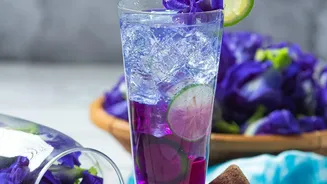
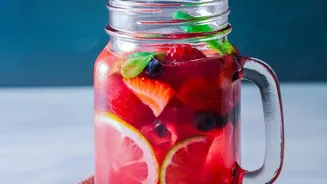
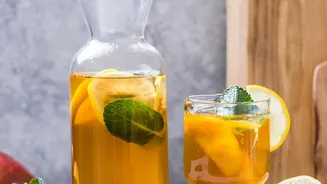
Presentation elevates a simple drink into a special occasion. The right garnish can enhance both the aroma and the flavour. For citrus-based drinks, a simple twist of orange or lemon peel releases essential oils that add a fragrant punch. Fresh herbs are a mixologist's best friend; a sprig of fresh mint adds a cooling sensation, while a leaf of basil can introduce a surprising, savoury note that pairs well with fruits like strawberry or lime. For visual appeal, add thin slices of the fruit used in the juice, or drop a few pomegranate seeds or whole blueberries into the glass. For spiced or winter blends, a cinnamon stick or a star anise not only looks beautiful but also infuses the drink with a gentle, warm aroma as it sits.