








Embrace the Season’s Bounty
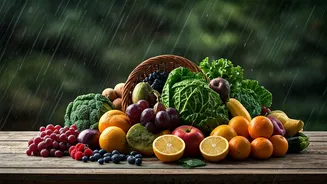
Forget the year-round staples; the monsoon brings its own unique harvest. This is the time when fruits like jamun, plums, litchi, cherries, and pears are at their freshest and most nutritious. These fruits are packed with Vitamin C and antioxidants, which
are crucial for fighting off seasonal infections. Vegetables also have their moment. Gourds like lauki (bottle gourd), karela (bitter gourd), and turai (ridge gourd) are abundant. Traditional wisdom values these vegetables during the monsoon for good reason: they are rich in essential nutrients, high in fibre, and support liver function and immunity when the body needs it most. Incorporating this seasonal produce means you are getting nutrients at their peak density, naturally aligning your diet with what your body requires to thrive in the damp weather.
Fortify Your Immune Defences
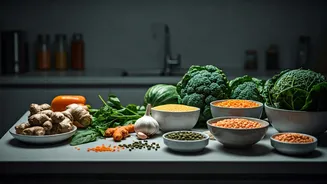
With the increased humidity and risk of water-borne diseases, the monsoon puts your immune system to the test. This is where your kitchen pharmacy comes into play. Spices like turmeric (haldi), ginger (adrak), and garlic (lehsun) are your best friends this season. Turmeric contains curcumin, a powerful anti-inflammatory compound, while ginger and garlic possess potent antiviral and antibacterial properties that help ward off colds and flu. Start your day with a ginger-tulsi tea, add extra garlic to your dals, and ensure a pinch of turmeric is in all your cooked vegetables. Beyond spices, focus on foods rich in Vitamin C, such as amla and lemons, which help in the production of infection-fighting white blood cells.
Follow Traditional Dietary Wisdom
Ayurveda suggests that our digestive fire, or ‘Agni’, is naturally weaker during the rainy season. This makes it harder to digest heavy, oily, and raw foods. This is why a shift to warm, light, and freshly cooked meals is recommended. Instead of a large raw salad, opt for a hearty vegetable soup or steamed vegetables. This is not the time for stale food or leftovers. A simple, freshly prepared meal of moong dal khichdi, for instance, is considered an almost perfect monsoon food — it's easy to digest, nourishing, and comforting. Ayurvedic wisdom also advises against an excess of leafy greens that grow close to the ground, as they can carry a lot of dirt and moisture, making them difficult to clean properly.
Hydrate the Right Way
Cooler temperatures might make you feel less thirsty, but staying hydrated is just as important during the monsoon to maintain a strong metabolism and flush out toxins. The key is to change how you hydrate. Instead of cold drinks from the fridge, switch to warm or boiled water. This helps prevent waterborne infections and is gentler on your digestive system. Herbal teas are an excellent way to increase your fluid intake while getting extra health benefits. A simple concoction of boiled water with ginger, tulsi, and a little honey can boost immunity and soothe a sore throat, a common complaint during this season.
Outsmart Your Rainy-Day Cravings
Giving in to the desire for a crunchy, savoury snack is part of the monsoon experience, but it doesn’t have to derail your health. The trick is to make smart swaps. Instead of deep-frying pakoras, try air-frying or baking them for a similar crunch with a fraction of the oil. Swap oily samosas for baked vegetable cutlets or a warm sprout chaat. Roasted corn on the cob (bhutta), seasoned with lime and salt, is a classic and healthy seasonal snack. Roasted makhana (fox nuts) or a bowl of spicy puffed rice are other light yet satisfying options that can replace packaged, fried snacks. These alternatives give you the comfort and flavour you crave without the digestive distress that often follows a plate of greasy food.