

From Tourist to True Traveller
There’s a clear shift happening in how Indians explore their own country. The focus is moving from simply seeing a place to truly experiencing it. This trend, often called experiential travel, is driven by a desire for authenticity over perfectly polished
itineraries. Instead of just collecting photos, travellers now want to collect memories and meaningful moments. Recent reports show a significant pivot toward domestic exploration, with many prioritising local adventures over international trips. This change is partly fuelled by younger demographics, like Gen Z and millennials, who value unique experiences and cultural immersion far more than previous generations. The goal is no longer just to visit a destination, but to engage with it, understand its people, and leave with a richer perspective.
What Does 'Authentic' Really Mean?
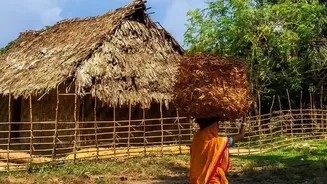
Authenticity in travel isn't a one-size-fits-all concept. For some, it’s the quiet solitude of a remote landscape, far from noisy tourist hubs. For others, it's about deep cultural engagement. This could mean learning to cook regional dishes in a local home, exploring villages with a community guide, or participating in ancient spiritual practices. According to a recent Skyscanner report, a majority of Indian travellers now plan their holidays around cultural experiences like festivals, heritage, and food. The trend also involves choosing homestays and farm stays over conventional hotels, allowing for direct interaction with local families and a deeper connection to the place. It’s about finding unfiltered moments that can't be curated for a social media post.
Emerging Hubs of Real India
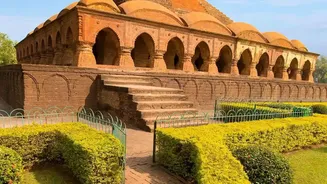
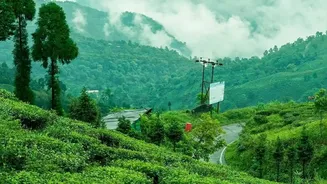
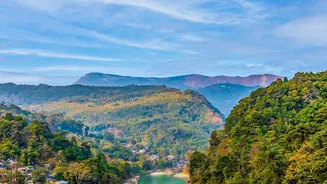
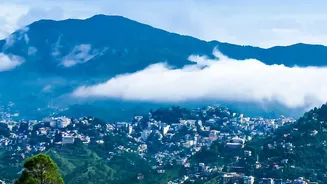
As travellers look beyond the Golden Triangle, a host of new destinations are entering the spotlight. In the Northeast, places like Ziro Valley in Arunachal Pradesh offer a glimpse into the unique lives of the Apatani tribe, while Majuli in Assam provides a look at neo-Vaishnavite culture on a disappearing river island. Down south, the quiet coastal stretches and heritage circuits of Karnataka, including Hampi and Gokarna, are attracting those interested in history and nature without the crowds. In the Himalayas, remote areas like the Dibang Valley in Arunachal Pradesh and the Spiti Valley in Himachal Pradesh are becoming havens for adventurers seeking raw, untouched beauty. These locations offer a chance to see parts of India that remain largely untouched by mass tourism.
The Rise of Conscious, Slow Travel
This movement is also tied to a growing awareness of sustainability. Travellers are becoming more conscious of their environmental and social impact. Choosing offbeat destinations helps distribute tourism revenue more evenly, supporting rural economies directly. The rise of homestays and community-led tourism is a key part of this, as it ensures that the benefits of travel are felt by local families. Furthermore, there is a move towards 'slow travel'—spending more time in one region rather than rushing through multiple cities. This approach allows for a deeper, more relaxed exploration and fosters a more meaningful connection with the destination. It reflects a desire to travel more purposefully, seeking personal growth and a better understanding of the world.