


India's Celestial Treasure
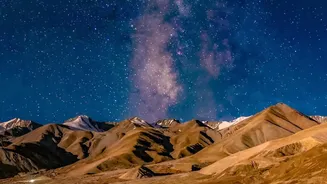
Deep within the Changthang region of Ladakh, nearly 270 kilometres from Leh, lies the village of Hanle. In December 2022, a 22-kilometre radius around this high-altitude settlement was officially designated as the Hanle Dark Sky Reserve (HDSR), the first
of its kind in India. This initiative, a collaboration between the local administration and the Indian Institute of Astrophysics (IIA), aims to protect the region's exceptional dark skies from artificial light pollution, creating a sanctuary for both astronomical research and tourism. Hanle is not just a destination; it's a commitment to preserving one of nature's most breathtaking spectacles for future generations to witness.
A Perfect Cosmic Window
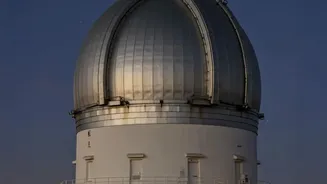
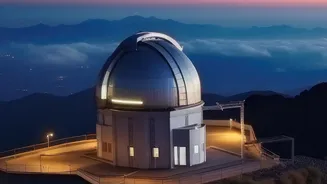
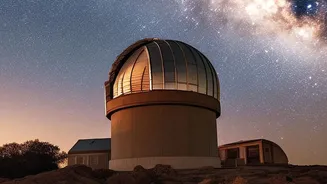
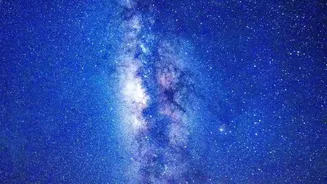
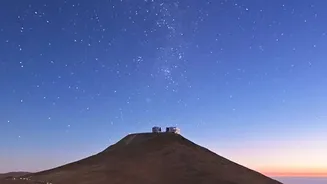
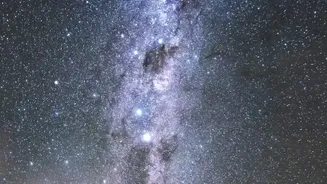
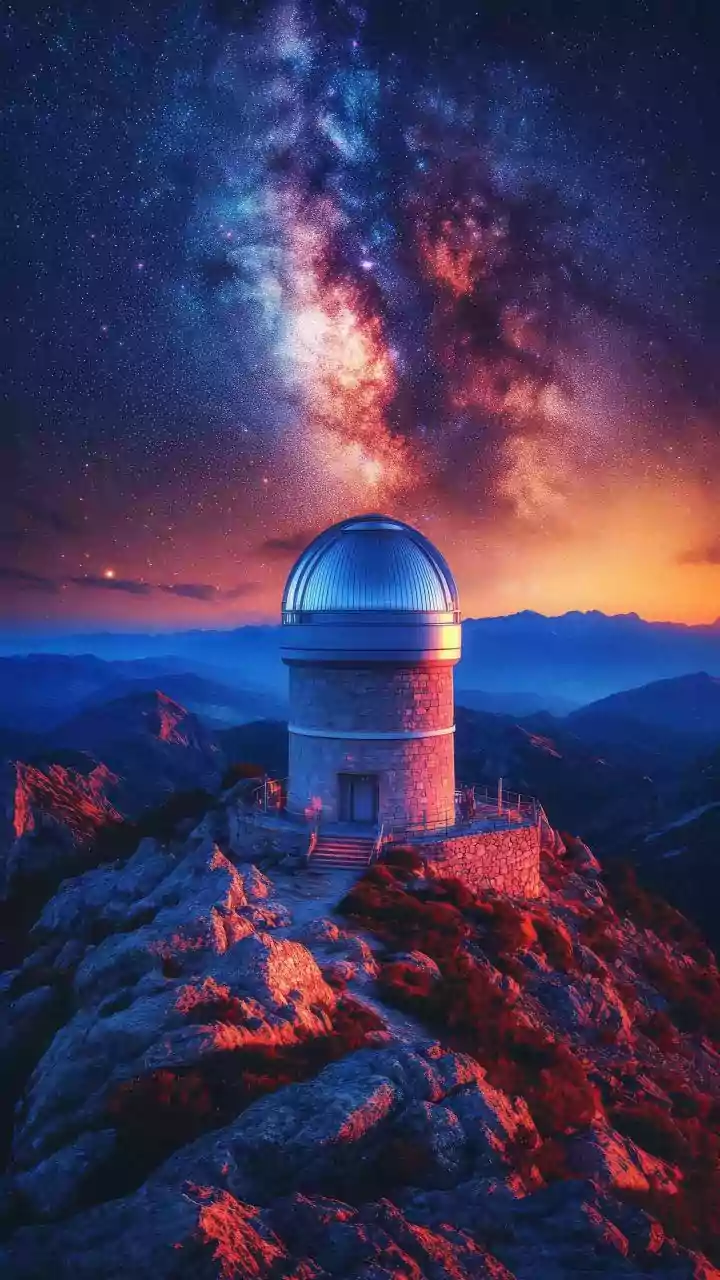
What makes Hanle a world-class stargazing location? A rare combination of factors creates a near-perfect window to the universe. Situated at an altitude of 4,500 metres (around 14,800 feet), the thin, dry atmosphere results in exceptional clarity. The region boasts over 270 clear, cloudless nights annually, offering consistent viewing opportunities. This cold desert environment has minimal atmospheric water vapour, a key condition for sharp astronomical observation. It is for these reasons that the IIA operates the Indian Astronomical Observatory (IAO) here, home to powerful telescopes like the Himalayan Chandra Telescope that peer deep into space. The sky is rated Bortle 1, the darkest classification possible, meaning the Milky Way can be seen in vivid detail with the naked eye.
A Community-Powered Experience
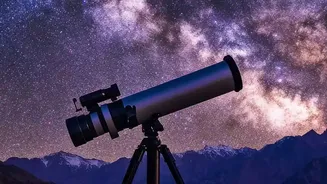
The Hanle Dark Sky Reserve is more than a scientific outpost; it is a story of sustainable, community-led tourism. The Indian Institute of Astrophysics has trained local villagers, many of them women, to become 'Astronomy Ambassadors'. These guides are equipped with telescopes and a deep knowledge of the night sky, offering paid viewing sessions to visitors. This model ensures that the economic benefits of astro-tourism flow directly into the local community, empowering residents and providing an incentive to protect the darkness. Visitors stay in a growing number of local homestays, which have been adapted with blackout curtains and shielded, warm-toned lights to comply with the reserve's strict light-discipline rules. This creates an immersive experience where tourism directly supports conservation.
Planning Your Journey to the Stars
A trip to Hanle requires careful planning due to its remote location and extreme altitude. The best time to visit for stargazing is between May and October when the weather is clearer and roads are accessible. Planning your visit around the new moon is crucial, as a bright full moon can wash out the fainter stars and the Milky Way. Acclimatisation is non-negotiable; travellers should spend at least two to three nights in Leh (at 11,500 feet) to adjust to the altitude before proceeding to Hanle. All visitors require a permit—an Inner Line Permit (ILP) for Indian citizens and a Protected Area Permit (PAP) for foreign nationals—which must be arranged in Leh beforehand. With limited mobile connectivity and no fuel stations in Hanle itself, it’s essential to be well-prepared for a journey into one of India’s most beautifully isolated landscapes.