


On the Roads: Waterlogging and Gridlock
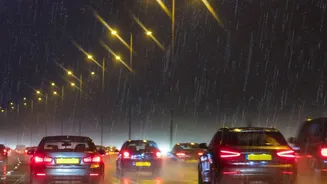
For road travellers, the most immediate and visible impact of heavy monsoon rain is waterlogging. In major cities like Mumbai, Delhi, and Gurugram, even a few hours of intense rainfall can overwhelm outdated or clogged drainage systems, turning streets
into canals. This leads to massive traffic jams that can trap commuters for hours. Beyond the inconvenience, waterlogged roads hide dangerous potholes and open manholes, posing significant safety risks and causing damage to vehicles. In hilly regions, the danger is even greater, as saturated soil can lead to landslides that block highways and isolate communities for days. Reduced visibility during downpours further slows traffic and increases the likelihood of accidents, making driving a hazardous affair. Authorities often advise residents to work from home or avoid non-essential travel during periods of heavy rainfall.
On the Tracks: Flooding, Delays, and Diversions
The Indian Railways network, the lifeline of the nation, is also highly vulnerable to the monsoon. The primary issue is the flooding of railway tracks. When water levels rise above a few inches, they can damage the sensitive signalling systems and enter the traction motors of train engines, leading to failures. This forces authorities to either cancel, divert, or suspend train services as a safety precaution. Recent incidents in regions like Madhya Pradesh and on the Kalka-Shimla line show how flash floods can wash away the earth beneath tracks, leaving them suspended and unusable. Even when services are not fully suspended, trains are often forced to run at significantly reduced speeds, with personnel sometimes walking ahead to inspect the tracks. This creates a domino effect, where a single delayed train can disrupt the schedule of numerous others on the network, leading to hours-long waits and platform congestion.
In the Skies: Low Visibility and Turbulent Weather
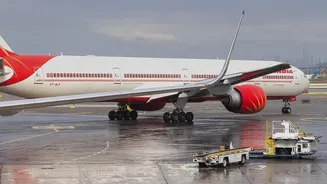
While rain itself rarely cancels a flight, the associated weather phenomena are a major cause of air travel disruption. The biggest factors are low visibility from heavy downpours and low-hanging clouds, and the presence of thunderstorms. When visibility drops below the required minimums, take-offs and landings become unsafe, forcing air traffic control to reduce the number of flights an airport can handle. This leads to delays, as aircraft may have to circle in the air or wait on the ground. Thunderstorms bring additional hazards like severe turbulence, wind shear, and lightning. Lightning near an airfield can halt all ground operations, including refuelling and baggage handling, even if the runway itself is open. Consequently, airlines may delay, divert, or cancel flights to ensure passenger safety, with major hubs like Mumbai and Delhi frequently affected.
Planning Ahead for Monsoon Travel
While monsoon travel disruptions are often unavoidable, preparation can make a significant difference. For road travel, check traffic updates and weather forecasts before leaving. If possible, avoid driving during peak rainfall and never attempt to cross heavily waterlogged streets. For train journeys, always check the live status of your train and be prepared for potential delays or schedule changes. Packing extra food and water is a wise precaution. When flying, opt for morning flights, as they are less likely to be affected by afternoon thunderstorms. Travel with only cabin baggage if possible to avoid issues if ground handling is suspended. Keep your airline's app on your phone for real-time updates and know your rights as a passenger regarding compensation for long delays or cancellations under DGCA rules. Building buffer time into your itinerary is the most crucial step for a smoother journey during this unpredictable season.