






Before You Leave Home
A safe journey begins with preparation. Before stepping out, always check the latest weather forecasts from reliable sources like the India Meteorological Department (IMD). Heavy rain can cause sudden waterlogging, traffic diversions, and public transport
delays. Inform a family member or friend of your travel plans and expected arrival time. Pack an essentials kit including a fully charged phone, a power bank, a small umbrella or raincoat, and any necessary medications. Keeping important documents and electronics in waterproof bags is also a wise precaution.
For Those Driving Cars
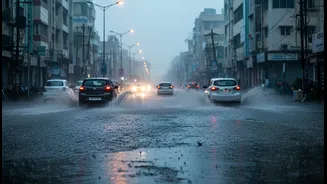
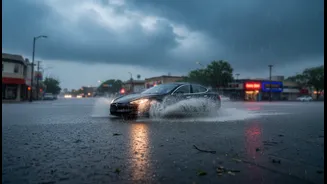
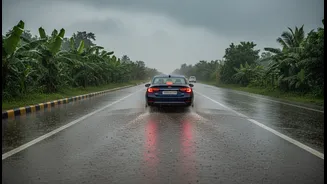
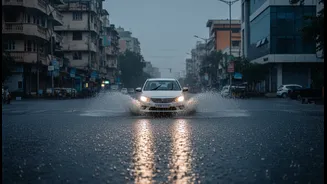
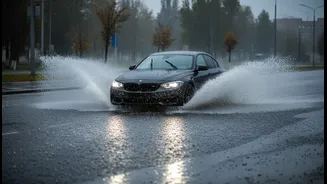
If you must drive, exercise extreme caution. Reduce your speed significantly as wet roads increase braking distance and the risk of skidding. Maintain a greater distance from the vehicle in front of you. One of the biggest dangers is aquaplaning, where a layer of water between the tires and the road causes a loss of control; slowing down is the best defence. Never attempt to drive through flooded streets. The water can be deeper than it appears, hiding potholes, open manholes, or other debris that can damage your car or leave you stranded. Turn on your low-beam headlights even during the day to improve your visibility to others. Ensure your wipers, brakes, and defogger are in good working condition before the season starts.
Tips for Motorcyclists
Riding a two-wheeler in the rain is particularly challenging due to reduced grip and visibility. Ensure your tires have adequate tread depth (at least 2-3mm) to effectively channel water away. Wear a full-face helmet, preferably with an anti-fog visor, and protective, high-visibility or reflective gear to make yourself more visible to other motorists. Brake gently and use both brakes simultaneously to avoid skidding. Water can damage your engine and electrical systems, so try to avoid heavily waterlogged roads. If you get caught, maintain a steady, gentle throttle to prevent water from entering the exhaust. After a ride, clean the mud and grime from your bike to prevent rust.
Advice for Pedestrians
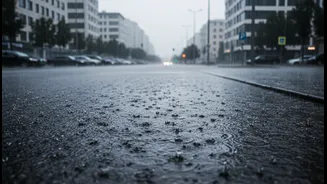
For those on foot, the risks are just as real. Wear footwear with good grip to avoid slipping on wet, slick surfaces. Be extremely cautious of submerged potholes and open manholes, which are common hazards in waterlogged areas. Stay away from downed power lines and electrical poles, as wet conditions heighten the risk of electrocution. When crossing roads, resist the urge to dash. Poor visibility means drivers may not see you in time. Use designated crossings, be patient, and try to make eye contact with drivers. Wearing bright-coloured clothing or using a colourful umbrella can significantly increase your visibility.
Using Public Transport Safely
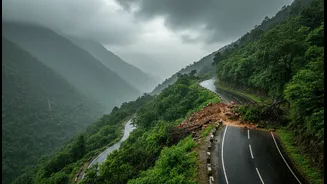
Heavy rains often lead to disruptions in public transport schedules. Before heading to a bus stop or railway station, check for service updates or delays. On slippery platforms, always stay behind the designated safety line. Avoid overcrowding and be mindful of your footing when boarding and alighting from buses or trains. During bus journeys, especially on hill routes, be aware that there is an increased risk of landslides and road closures. If possible, opt for daytime travel on such routes for better visibility. Always follow the instructions of transport staff and authorities for your own safety.