


HIT: Shai Hope, The Unstoppable Force
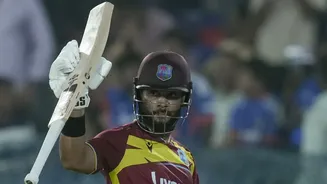
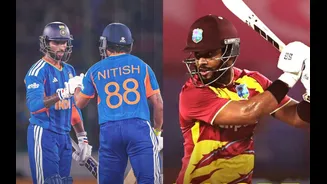
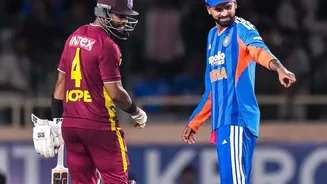
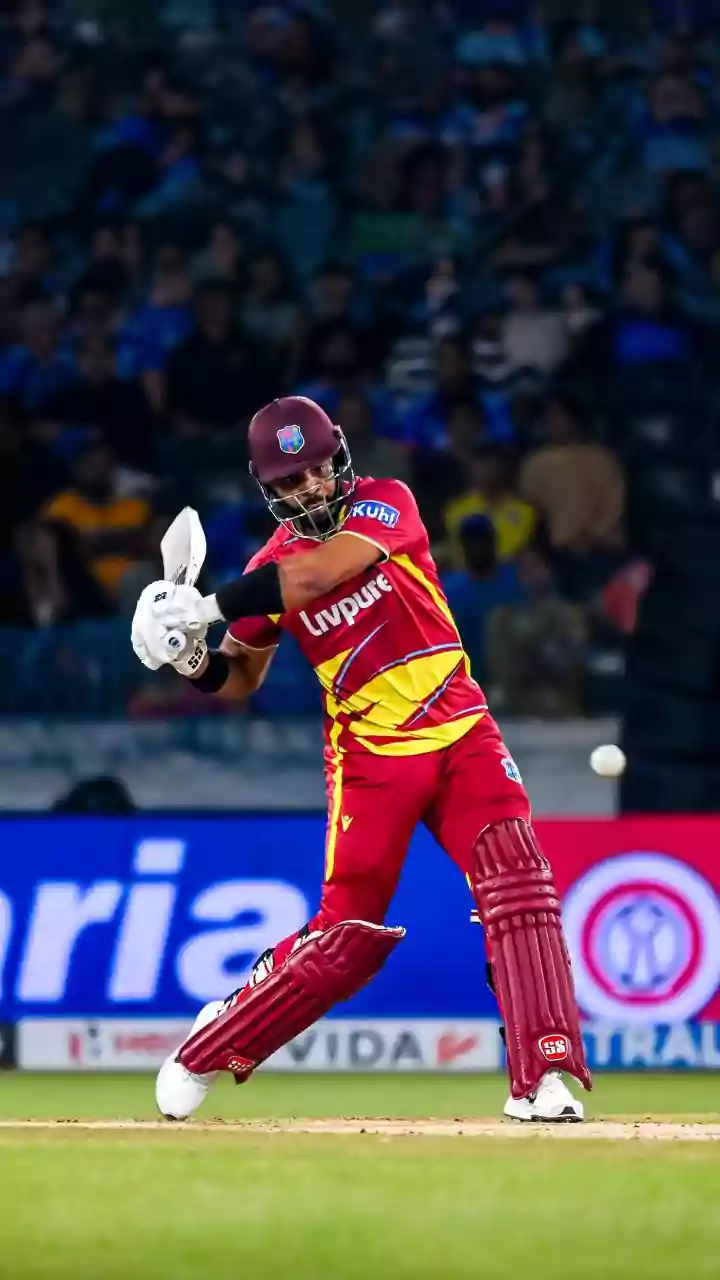
There is no other place to start. Shai Hope was, without a doubt, the player of the series. He finished as the highest run-getter with a staggering 261 runs, including two centuries across the tour. His demolition of the Indian attack in the second T20I,
where he scored an unbeaten 102 from 45 balls to lead a record run chase, was a masterclass in power-hitting. Hope was not just hitting boundaries; he was controlling games. For his consistency and sheer impact, he was the biggest headache for India's bowlers and the primary reason West Indies competed so fiercely.
FLOP: India's Leaky Pace Attack
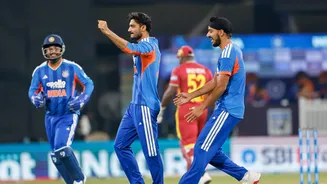
While individual names could be singled out, the larger flop was India's pace bowling unit as a whole. Across the four completed matches, the seamers consistently struggled to contain the West Indian batters, especially at the death. In the second T20I, a target of 250 proved indefensible. In the fourth, West Indies again posted a mammoth 247. Arshdeep Singh, expected to lead the attack, had a particularly tough time, going for runs and failing to make crucial breakthroughs. The bowlers’ inability to execute their plans under pressure was a recurring theme and the main reason India couldn't seal the series earlier.
HIT: The Rise of Naman Dhir
For India, the series offered a silver lining in the form of all-rounder Naman Dhir. Proving effective with both bat and ball, he made a strong case for a permanent spot. His most memorable contribution came in the rain-shortened final match, where he smashed a blistering 24 not out from just six balls, including three sixes, showcasing his finishing prowess. Earlier in the series, his crafty bowling provided crucial breakthroughs when the main bowlers struggled. In a series where many of India's big names blew hot and cold, Dhir's all-round utility was a massive plus.
FLOP: Abhishek Sharma's Inconsistency
Touted as a player to watch before the series, Abhishek Sharma had a mixed bag of a tournament. He started with a couple of stellar knocks, providing the aggressive starts India needed. However, his form tapered off dramatically in the latter half. In the crucial fourth T20I, he struggled for rhythm, sapping momentum from the chase with a slow knock. In the washed-out decider, he was dismissed for just six runs. For a player known for his explosive powerplay batting, his failure to provide consistent starts put unnecessary pressure on the middle order.
HIT: West Indies' Middle-Order Power
Beyond Hope's heroics, the West Indies' middle order was a consistent threat. Sherfane Rutherford and Roston Chase played crucial roles throughout. Rutherford's explosive 84 from 37 balls in the second T20I was instrumental in their record chase, while Chase was a model of consistency with the ball, proving economical when others were being taken apart. The bowling contributions of Keimo Paul (eight wickets) and Shamar Springer, who bowled well in the final match, also deserve mention. This collective effort showed that the Windies are far more than a one-man army.