




The Diaspora as the First Frontier
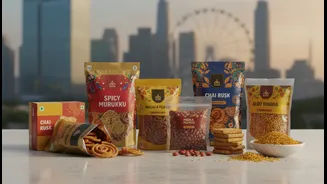
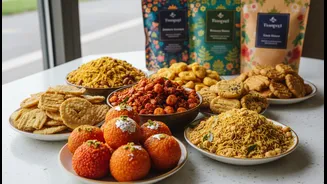
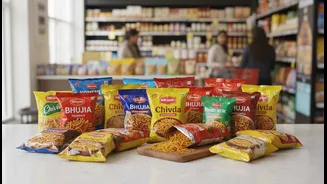
For any Indian snack brand venturing abroad, the first and most crucial customer base is the Indian diaspora. This community, spread across the US, UK, Middle East, and Australia, doesn't just represent a market; it's a cultural anchor. They crave the authentic
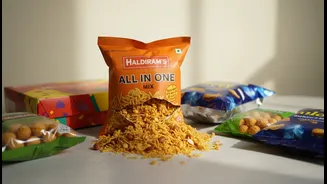
tastes of home—the specific spice blend in a bhujia or the familiar sweetness of a soan papdi. This demand for nostalgia creates a powerful initial business case, allowing companies to export traditional products without immediate changes. Brands like Haldiram's first entered the US market in 1993 specifically to cater to this group. Selling to the diaspora provides a stable foundation, establishing a beachhead of loyal customers who value authenticity above all else and create a sense of community around familiar foods.
The Adaptation Conundrum
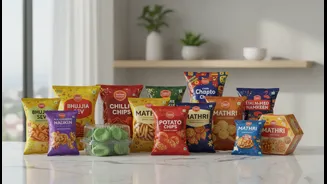
To achieve true global scale, brands must look beyond the diaspora and appeal to a broader, non-Indian audience. This is where the adaptation dilemma begins. Success in mainstream retail aisles, from Walmart to European supermarkets, often requires adjusting recipes. This might mean toning down spice levels, altering textures, or creating fusion products that blend Indian flavours with Western snack formats. While some brands succeed by making products for the local taste in each market, this can be a delicate balancing act. For diners, this raises questions: is that packet of 'masala' chips using a modified, milder spice blend? Have the ingredients been changed to suit local regulations or palates? This adaptation is key for growth but can sometimes dilute the very identity that made the brand popular in the first place.
A Question of Authenticity
What does 'authentic' even mean when a snack is produced in a factory in London or the USA? For many consumers, authenticity is tied to traditional recipes and specific, high-quality Indian ingredients. However, global expansion complicates this. Supply chain challenges and differing international food safety standards can lead to changes in sourcing and production. Some newer companies, like Diaspora Co., are building their entire brand on transparently sourcing single-origin spices directly from Indian farms to guarantee quality and equity. For the average shopper, this means looking closer at the packaging and the company's story. Understanding where ingredients are from and where the product is made can offer clues about its connection to the original recipe, even if the definition of 'authentic' itself evolves with geography.
The Business of Balancing Growth and Soul
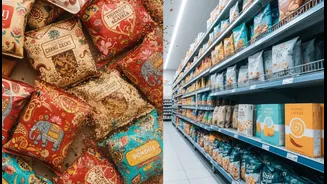
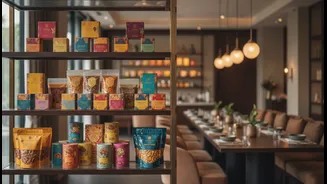
From a business perspective, this is a strategic tug-of-war between maintaining brand identity and capturing market share. Companies like Haldiram's and Bikaji are now global players, with valuations attracting major international investment. Their strategy often involves a multi-pronged approach: producing classic recipes for the diaspora while simultaneously developing new, milder, or fusion products for mainstream consumers. Marketing also walks a fine line, highlighting heritage and tradition while using modern packaging and social media to attract younger, global audiences. This balancing act is essential, as recent trends show a move to position Indian snacks not as niche 'ethnic' products, but as mainstream grocery items competing directly with global giants.
The Future of the Global Indian Snack
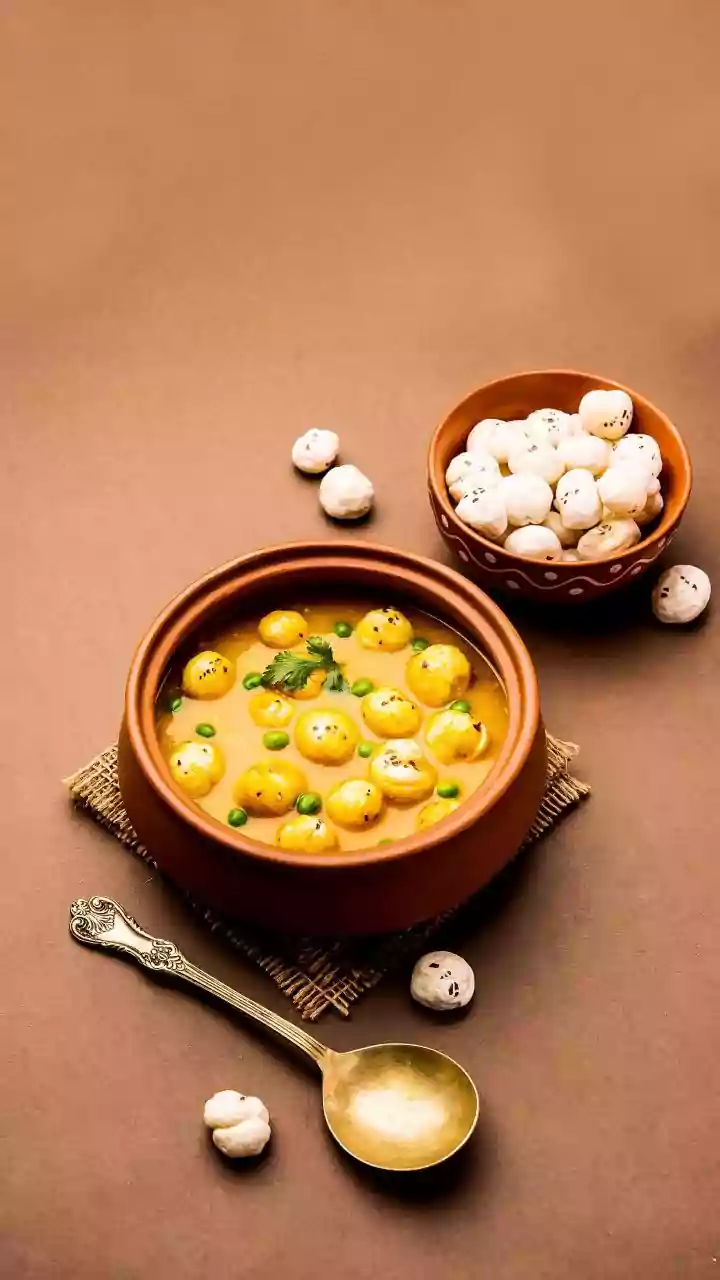
The journey of the Indian snack is a story of globalisation in miniature. As these brands continue to grow, the lines between authentic and adapted will likely blur further. We are already seeing the rise of 'better-for-you' Indian snacks like roasted makhana (fox nuts), which are positioned in Western markets as health foods rather than traditional treats. At the same time, ready-to-eat (RTE) meals are bringing complex regional Indian dishes to global audiences with convenience. For businesses, the challenge will be to innovate without losing their soul. For diners, the opportunity is to become more curious, asking questions about where their food comes from and how it's made. This engagement ensures that as the Indian pantry goes global, its richness and diversity are celebrated, not lost in translation.