




Understanding the Basics First
Before you even buy a plant, let's demystify the two most important factors: light and water. The number one mistake beginners make is overwatering. Most 'foolproof' plants prefer their soil to dry out between waterings. A simple test is to stick your
finger about an inch into the soil. If it feels dry, it's time to water. If it's damp, wait a few more days. For light, 'low-light tolerant' doesn't mean 'no-light'. Most houseplants appreciate bright, indirect light, like the kind near a window but not in the direct sunbeams, which can scorch their leaves. Understanding these two elements is 90% of the battle won.
The Nearly Indestructible Snake Plant
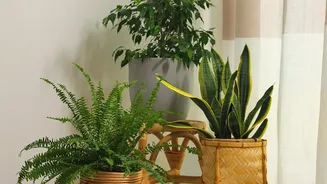
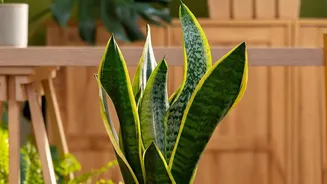
The Snake Plant (Dracaena trifasciata, formerly Sansevieria) is the ultimate beginner plant and for good reason. It thrives on neglect. Known for its stiff, upright leaves, this plant is a champion at tolerating low light and infrequent watering. In fact, it's more likely to suffer from too much attention than too little. Water your Snake Plant only when the soil is completely dry, which might be as little as once every 2-6 weeks depending on your home's conditions. It's also known for its air-purifying qualities, making it as functional as it is stylish.
The Forgiving Money Plant (Pothos)
The Money Plant, or Pothos (Epipremnum aureum), is another superstar for beginners, incredibly popular in Indian households. It’s a fast-growing vine that looks great in a hanging basket or trailing down a bookshelf. Pothos is extremely communicative; its leaves will slightly droop when it's thirsty, taking the guesswork out of watering. It tolerates a wide range of light conditions, from low to bright indirect light, though its variegation might fade in lower light. Water it when the top inch or two of soil feels dry. It's so resilient that you can even grow cuttings in just a bottle of water.
The Drought-Tolerant ZZ Plant
If you're a chronic forgetful waterer, the ZZ Plant (Zamioculcas zamiifolia) is your soulmate. This plant is about as low-maintenance as it gets. With its wide, dark green leaves, it stores water in its underground rhizomes, making it extremely drought-tolerant. You should let the soil dry out completely between waterings, typically every 2-3 weeks or even less. Like the Snake Plant, the ZZ Plant is perfectly happy in low-light corners of your home, making it ideal for apartments and offices. Its slow and steady growth means it won't demand frequent repotting.
The Prolific Spider Plant
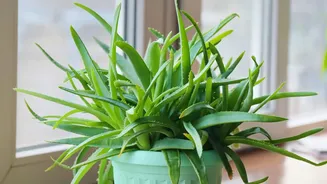
The Spider Plant (Chlorophytum comosum) is a classic for a reason. It has a graceful, fountain-like shape with arching leaves. These plants are adaptable but prefer bright, indirect light and consistently moist (but not soggy) soil. One of the most rewarding things about the Spider Plant is its propagation. It produces little 'spiderettes' or baby plants on long stems, which can be easily snipped off and planted to create new plants for yourself or to give to friends. It’s a fun, rewarding, and very forgiving plant for any beginner to start with.
Common Mistakes to Avoid
Beyond choosing the right plant, success comes from avoiding a few common pitfalls. The most frequent is overwatering, which leads to root rot. Always check the soil before watering instead of sticking to a rigid schedule. Another is providing inadequate light; even low-light plants need some natural light to survive. Finally, resist the urge to immediately repot a new plant. Let it acclimate to your home's environment for a few weeks or even months first. Rushing to repot can stress the plant unnecessarily.