





A New Era for Overnight Travel
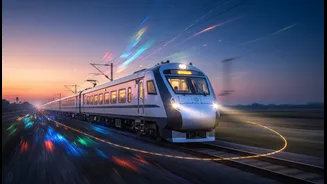
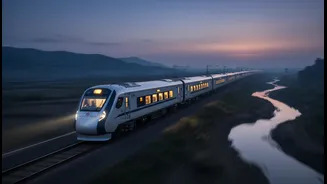
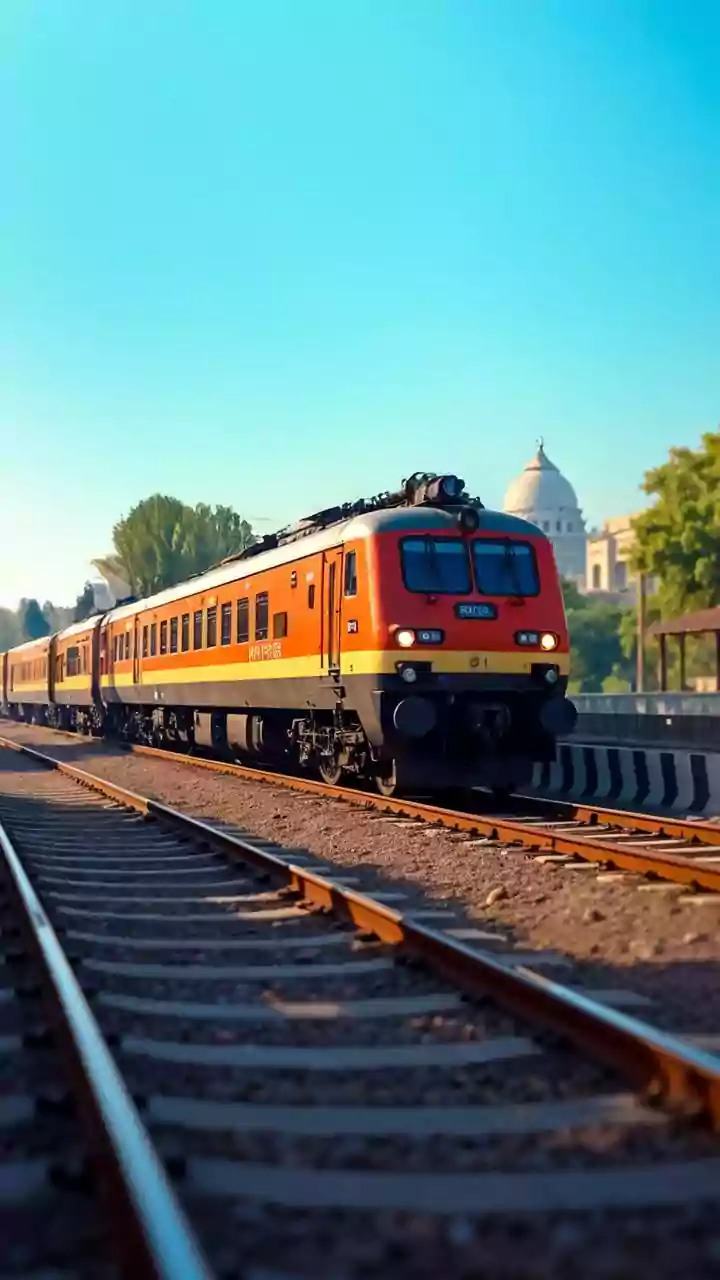
For decades, trains like the Rajdhani Express have been the gold standard for premium overnight travel in India. However, the introduction of the Vande Bharat sleeper marks a significant leap forward. Unlike traditional locomotive-hauled trains, these
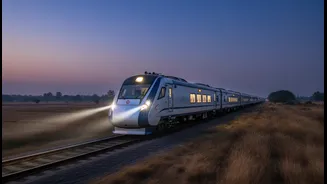
are self-propelled 'trainsets' with driver cabins at both ends. This design allows for faster acceleration, deceleration, and quicker turnaround times at terminal stations, fundamentally changing the dynamics of long-haul rail travel. The first services, which began in early 2026, are already demonstrating a new way to cover vast distances, arriving refreshed and ready for the day without losing valuable time.
Redefining Comfort on the Move
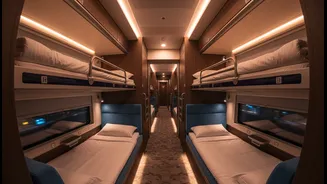
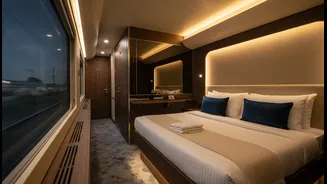
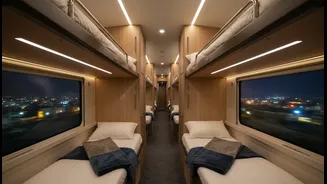
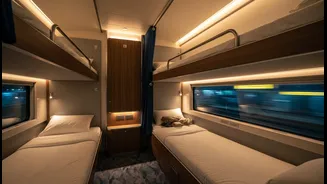
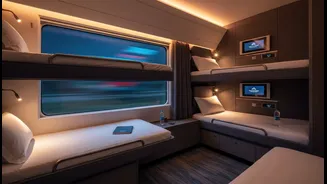
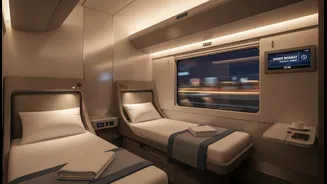
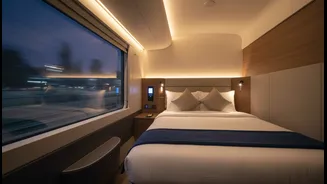
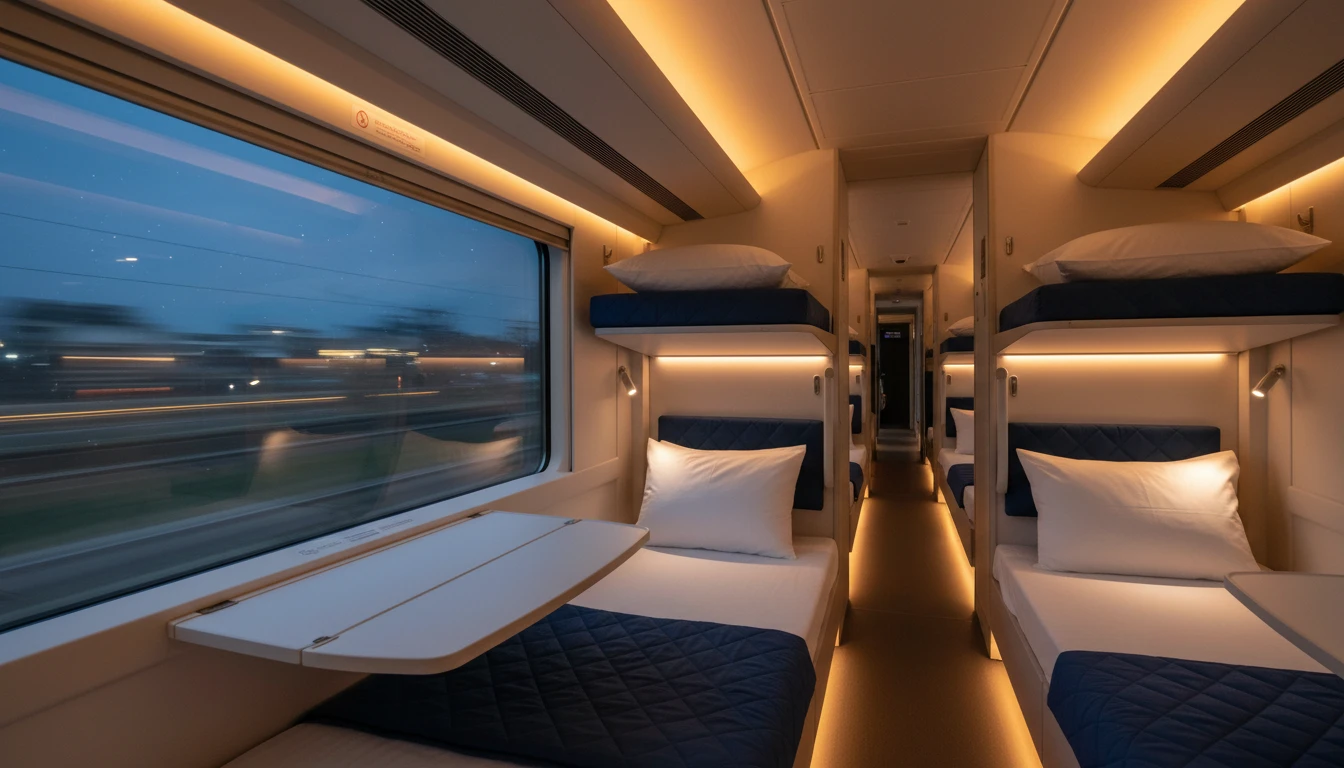
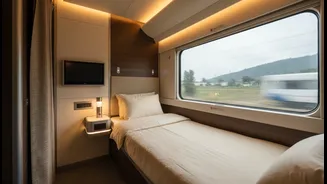
The primary appeal of the Vande Bharat sleeper lies in its passenger-centric design, which has been compared to a "five-star hotel on rails" by some international travellers. The interiors are engineered for rest. Berths are ergonomically designed with better cushioning for improved spine support. Enhanced soundproofing and superior suspension systems create a quieter, more stable ride, minimising the rattles and jerks common on older trains. Cabins feature modern touches like sensor-based lighting, individual reading lamps, and conveniently placed charging points for all passengers. Furthermore, fully sealed gangways and automatic doors keep the interiors climate-controlled, dust-free, and quiet, ensuring a comfortable environment throughout the journey.
The Speed and Punctuality Advantage
One of the most compelling reasons for the train's growing popularity is its speed. Designed to operate at speeds up to 160 km/h, and having been tested at 180 km/h, the Vande Bharat sleeper significantly reduces travel times on key routes. For example, the inaugural service between Howrah and Guwahati cuts the journey by approximately three hours compared to the previous fastest train. This time-saving aspect makes it a highly attractive alternative to both conventional trains and, in some cases, air travel, especially when factoring in airport check-in and transit times. The ticketing system, which only allows for confirmed berths with no RAC or wait-listed tickets, also adds a layer of certainty and hassle-free planning for travellers.
Safety and Hygiene at the Forefront
Modern travellers expect higher standards of safety and cleanliness, and the Vande Bharat sleeper delivers on both fronts. The coaches are equipped with advanced fire safety measures, CCTV surveillance, and the indigenous Kavach anti-collision system. Hygiene has also been prioritised, with bio-vacuum toilets similar to those in aircraft, sensor-based taps, and advanced disinfectant technology to maintain high sanitation levels. This focus on creating a clean and secure environment is particularly crucial for families and solo travellers on long overnight journeys, making it a more trusted and relaxing option.
Expanding Network and Future Routes
Following a successful launch, Indian Railways is actively expanding the Vande Bharat sleeper network. The first service was launched between Howrah and Kamakhya (Guwahati) in January 2026. Shortly after, a second service connecting Varanasi and Amritsar (Chheharta) was inaugurated in July 2026. Another key route between Bengaluru and Mumbai is also set to begin operations. Looking ahead, Indian Railways is reportedly planning to connect major hubs like Delhi with cities such as Mumbai, Chennai, Ahmedabad, and Pune, promising to bring this modern travel experience to millions more passengers across the country in the near future.