
Beyond the Usual Suspects
In the culinary landscape of modern India, breakfast had become a predictable affair. While idli, dosa, and parathas remained beloved staples, they were often seen as the entire universe of Indian breakfast. This perception is now being challenged. Young
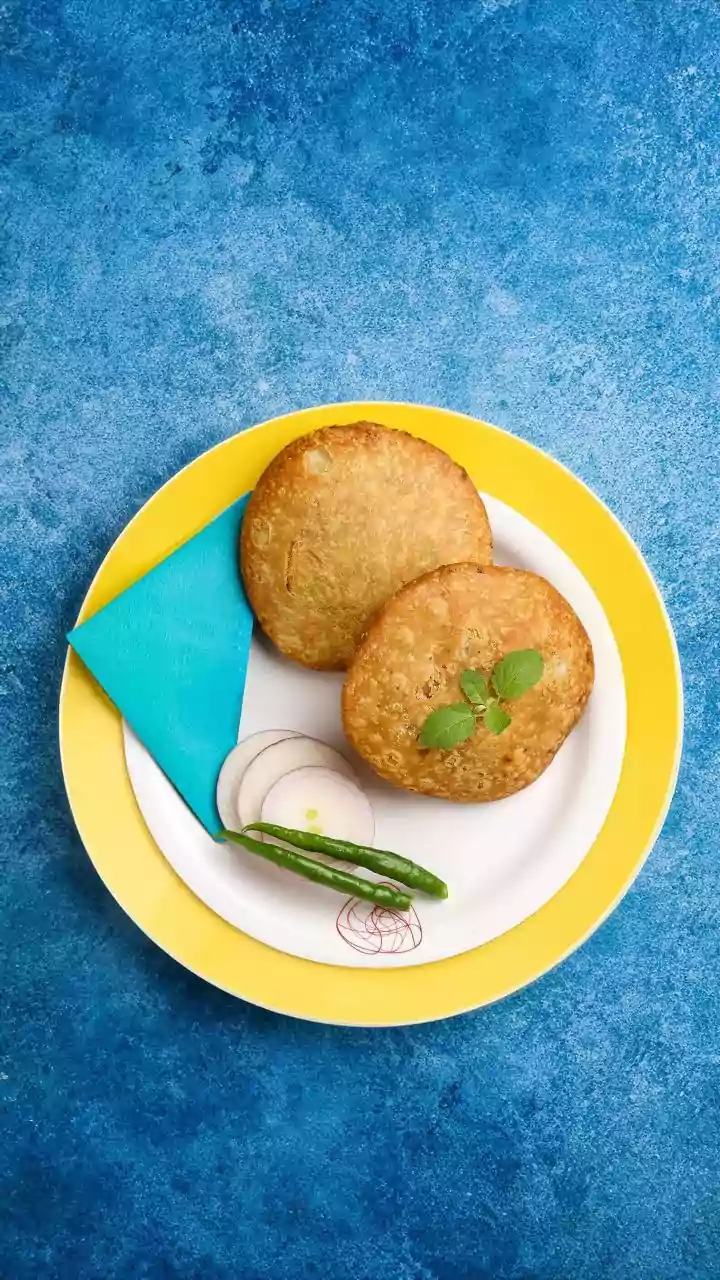
urbanites are looking past these defaults, driven by a growing curiosity for the vast, untapped diversity of the country's morning meals. This is not about rejecting the familiar, but about expanding the definition of what an Indian breakfast can be. The rediscovery of dishes like Gujarat's steamed 'handvo' or Assam's simple 'jolpan' signifies a shift from a monolithic idea of Indian food to a more nuanced appreciation of its regional specificity. Cafes and restaurants are taking note, curating menus that celebrate hyperlocal traditions, once confined to home kitchens.
A Quest for Authenticity and Connection
This trend is deeply rooted in a search for authenticity. In an era of globalized food chains and homogenized tastes, many young Indians are seeking a connection to their heritage. Traditional recipes offer more than just flavour; they are vessels of memory and identity. Chefs and culinary revivalists have played a crucial role, documenting and popularizing forgotten dishes, and emphasizing that food is a powerful link to our roots. For a generation that grew up with rapidly changing lifestyles, a plate of 'pakhala bhata' from Odisha or 'thalipeeth' from Maharashtra is not just a meal; it's a story. This desire for food with a narrative—a connection to a specific place, community, and history—is a significant driver behind the trend.
The Modern Allure of Ancient Wellness
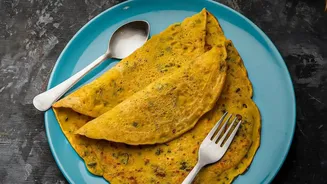
The renewed interest in regional breakfasts aligns perfectly with contemporary wellness culture. Many of these traditional dishes are inherently healthy, utilizing techniques like fermentation, steaming, and slow-cooking. Dishes such as idli and dosa are well-known for their probiotic benefits due to fermentation. But the exploration goes deeper, into millet-based flatbreads, high-protein lentil crepes like 'pesarattu', and cooling probiotic rice bowls that were once staples. Long before 'gut health' became a buzzword, these meals were designed for balanced nutrition, providing sustained energy from complex carbohydrates, plant-based proteins, and fiber. For young diners who are increasingly health-conscious, the discovery that their grandparents' breakfast is healthier than a processed cereal bar is a powerful revelation.
If It Isn't on Instagram, Did You Even Eat It?
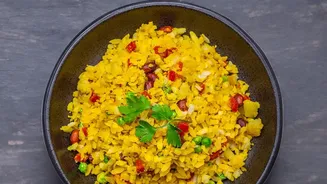
The visual appeal of these unique dishes is undeniable, making them perfect for the age of social media. A vibrant plate of Poha from Indore, a delicate 'patishapta' crepe from Bengal, or a creatively stuffed 'pesarattu' from Andhra are all eminently 'Instagrammable'. Food bloggers and influencers have become digital custodians of culinary heritage, showcasing the beauty and diversity of regional Indian food to millions of followers. This online exposure demystifies the dishes and sparks curiosity, especially among younger, digitally native audiences. A viral reel of a grandmother making a traditional recipe can do more to preserve a dish than a dozen cookbooks, making these heritage foods accessible and aspirational for a new generation.