







A Nation in Motion
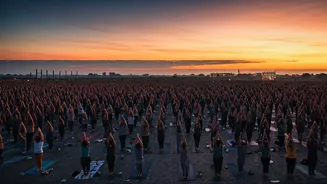
Every year on International Yoga Day, a quiet but powerful phenomenon unfolds across India. In sprawling city parks, school auditoriums, and community centres, millions of people—from school children to senior citizens—gather at dawn. Their purpose is
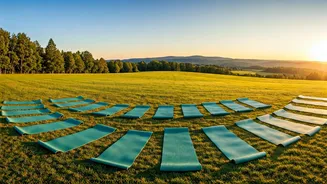
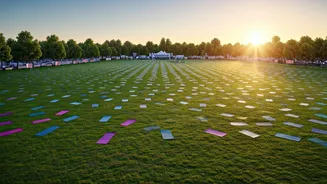
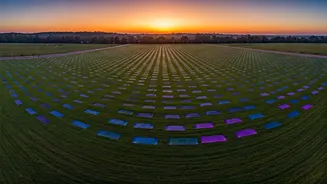
singular: to perform the Surya Namaskar, or Sun Salutation. This is not a scattered series of events but a coordinated, nationwide spectacle. The scale is staggering, representing a collective commitment to wellness that transcends age, profession, and background. These mass demonstrations are the visual centrepiece of Yoga Day festivities, transforming public spaces into open-air studios of mindful movement and shared energy.
The Heart of the Practice: Surya Namaskar
So, why the focus on this specific sequence? The Surya Namaskar is a cornerstone of modern yoga practice. It’s a dynamic sequence of twelve postures, or asanas, that flow into one another, synchronised with the breath. The name itself means ‘salutation to the sun,’ and it’s traditionally performed facing the rising sun as an expression of gratitude for its life-giving energy. More than just a physical warm-up, it’s a complete workout in itself, engaging nearly every major muscle group. Its rhythmic, repetitive nature makes it ideal for mass participation, allowing large groups to move together in a meditative, unified flow. It’s simple enough for a beginner to follow, yet can be challenging enough for an experienced practitioner, making it the perfect democratic sequence for a national event.
A Fusion of Science and Spirit
The enduring appeal of Surya Namaskar lies in its dual benefits. From a scientific perspective, it is a highly efficient form of exercise. Regular practice is known to improve cardiovascular health, increase flexibility and strength, aid digestion, and regulate sleep cycles. It’s a low-impact, high-yield routine that can be done anywhere, with no equipment needed. But beyond the physical, the practice is steeped in spiritual significance. It is considered a way to connect the body, mind, and spirit, cultivating mindfulness and a sense of inner peace. For many participants in the Yoga Day events, performing the sequence is an act of devotion and a reaffirmation of a cultural tradition that has been passed down through generations. It’s a practice where modern wellness goals meet ancient philosophical roots.
Orchestrating a Movement
Mobilising millions is no small feat. The mass Surya Namaskar events are the result of meticulous planning by government bodies, chief among them the Ministry of Ayush. The Ministry develops the ‘Common Yoga Protocol,’ a standardised set of practices, including Surya Namaskar, to ensure uniformity and safety across the country. This protocol is disseminated through a vast network of yoga institutions, schools, corporate offices, and community organisations. The promotion is a mix of digital campaigns, public-service announcements, and grassroots outreach. This centralised effort ensures that the spirit of Yoga Day reaches every corner of the nation, making it a true 'Jan Andolan' or people's movement, as it is often described by officials.
India's Gift to the World
While the heart of the celebration beats strongest in India, its pulse is felt globally. The United Nations declared June 21st as International Yoga Day in 2014, following a proposal by Prime Minister Narendra Modi. Since then, the day has become a significant platform for India’s cultural diplomacy. The images of millions performing Surya Namaskars in India serve as a powerful reminder of yoga’s origins and its enduring relevance. As people in New York’s Times Square or under Paris's Eiffel Tower roll out their mats, the mass events in India anchor the global celebration, reinforcing the country's role as the custodian and primary promoter of this ancient heritage.