







An Unsettled Monsoon Picture
As of mid-August, India's monsoon season is marked by a significant deficit. Since June 1, the country has received 12% less rainfall than normal. This national average, however, conceals a more complex reality of extreme regional variations. The shortfall
is particularly acute in several agricultural heartlands. East and northeast India face a sharp deficit of 27%, while the south peninsula is 20% below average. States like Bihar, Punjab, and parts of Andhra Pradesh, Karnataka, and Uttar Pradesh are grappling with rainfall deficits ranging from 21% to over 30%. This erratic performance, influenced by strengthening El Niño conditions, comes after a very dry June and a slightly wetter July, but the overall picture remains worrying for the crucial Kharif sowing season.
Kharif Crops on the Front Line
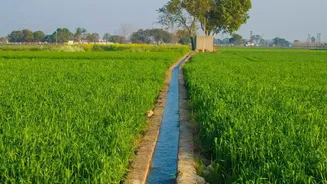
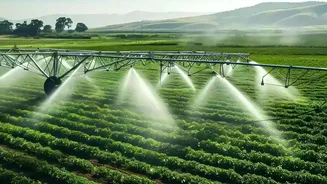
The timing and distribution of the monsoon are critical for India's Kharif (summer) crops, as nearly half of the country's farmland lacks irrigation. This year, the inconsistent rain has directly impacted sowing. As of August 14, the total area sown under Kharif crops was about 2% lower than the previous year. Key crops are showing signs of stress. Rice acreage is down by 3.7%, and other staples like maize and tur (pigeon pea) are down by 4% each. The situation is critical because these crops are now entering growth stages that determine the final yield. Prolonged dry spells during this phase can severely impact productivity, especially for thirsty crops like paddy, soybean, and cotton.
A Tale of Two Agricultural Indias
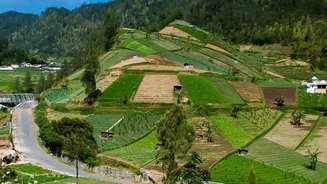
The story of this monsoon is not just about deficits; it's about dangerous imbalances. While key agricultural districts struggle, other areas have been hit by intense downpours and flooding. For instance, recent weather reports indicate the formation of a low-pressure area expected to bring heavy to extremely heavy rainfall over states like Odisha, West Bengal, and Chhattisgarh. An agricultural expert noted that one or two days of heavy rain cannot compensate for a long dry spell, as it doesn't adequately restore soil moisture. This pattern of extremes—drought-like conditions in some of the most important rice, soybean, and maize districts, and floods in others—makes water management difficult and threatens to destabilize agricultural output across the board.
The Ripple Effect on Your Wallet
The impact of a poor monsoon extends far beyond the farm gate, directly affecting household budgets. Lower crop yields inevitably lead to reduced supply in the markets, which can push up food prices. Food inflation is already a concern, having risen to a 19-month high in July 2026, driven by the higher cost of vegetables, pulses, and other staples. Economists warn that continued pressure on agricultural output could fuel further inflation. A weak monsoon not only affects crop prices but also dampens the rural economy, which supports nearly half of India's population. Reduced farm incomes can lead to lower rural demand for goods and services, creating a drag on overall economic growth.
Reservoir Levels and Future Worries
The monsoon's performance has implications that last well beyond the Kharif season. A crucial function of the seasonal rains is to replenish India's reservoirs, which are vital for drinking water and for irrigating the upcoming Rabi (winter) crops. Deficient rainfall means lower water levels in these reservoirs, putting future crop cycles at risk and potentially straining water supplies for cities and towns. While reservoir levels were reportedly healthy before the season began, a sustained deficit could erode that buffer. This makes the performance of the monsoon in late August and September absolutely critical not just for the current harvest, but for the country's food and water security in the months to come.