






Know Before You Go: Digital Diligence
Before you even pack your bags, your most crucial travel tool is your smartphone. The monsoon's unpredictability demands that you stay updated on weather conditions. Download the official 'Mausam' app from the IMD for reliable, district-wise weather warnings
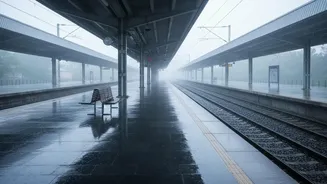
and radar images. Other apps like Skymet Weather also provide detailed forecasts and news analysis. Beyond weather, check for real-time updates on transport. Heavy rains can lead to flight delays, train cancellations, and road closures, especially in hilly and coastal regions. Having a flexible itinerary with buffer days is not a luxury, it's a necessity.
Pack for a Downpour, Not a Drizzle
Monsoon packing is a science. Your goal is to stay dry and ensure your belongings do too. Forget cotton jeans and heavy fabrics; they absorb water and can take days to dry in high humidity. Instead, opt for lightweight, synthetic, quick-dry clothing like polyester or nylon blends. A sturdy, windproof umbrella and a lightweight raincoat or poncho are non-negotiable. For footwear, choose waterproof sandals or floaters with a good grip to navigate slippery surfaces and waterlogged streets; leather shoes and flip-flops are a bad idea. To protect your valuables, invest in a waterproof backpack or a reliable rain cover. Use zip-lock bags or dedicated dry bags for electronics, documents, and cash. A few silica gel packets tossed into your electronics bag can absorb excess moisture and prevent damage.
On the Ground: Safe Navigation
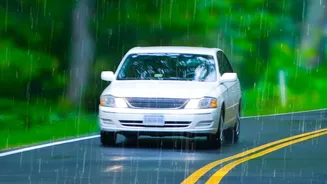
Once you're at your destination, the challenges shift. Driving requires extra caution. Roads can be slippery, full of potholes, and prone to waterlogging. It's best to avoid driving at night, particularly in hilly areas where the risk of landslides increases. When choosing your accommodation, look for places that are well-maintained and not in low-lying, flood-prone areas. Be extremely cautious with food and water. The risk of waterborne diseases rises during the monsoon. Stick to bottled or filtered water and prioritise hot, freshly cooked meals from clean, trusted restaurants over street food, which has a higher chance of contamination.
Health and First-Aid Essentials
Your travel kit needs a monsoon-specific upgrade. Along with your usual medications, pack items to combat common rainy-season ailments. A good insect repellent is vital, as the mosquito population booms during this time. Include antiseptic creams, bandages, and medication for fever, colds, and stomach issues. Fungal infections can also be common due to dampness, so carrying an antifungal powder or cream is a wise precaution. Keeping a hand sanitiser and wet wipes handy helps maintain hygiene on the go.
Embrace the Rain, Don't Fight It
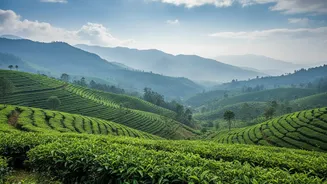
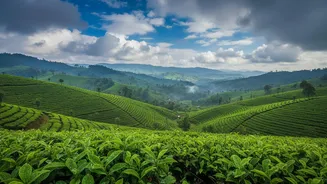
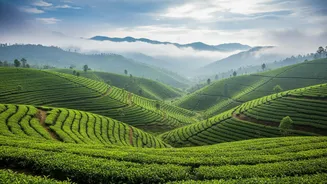
While safety is paramount, monsoon travel offers unique rewards. The landscapes are lush and vibrant, waterfalls are at their most powerful, and tourist spots are often less crowded. The key is to be flexible. If a downpour ruins your outdoor plans, have an indoor alternative ready, like visiting a local museum, a cafe, or even a cinema. Delays are common, so use that downtime to rest, read, or plan the next leg of your journey. Travelling smart during the monsoon means working with the weather, not against it, allowing you to enjoy the season's profound beauty safely and comfortably.