

Why Humidity Complicates Watering
On a hot, dry day, it’s easy to see why a plant needs water. But on a warm, humid day, the cues are less obvious. High humidity significantly slows down two key processes: evaporation from the soil and transpiration from the leaves. Transpiration is how
plants “breathe,” releasing water vapor through tiny pores. When the air is already saturated with moisture, this process slows dramatically. As a result, the soil stays wetter for longer, and the plant itself uses less water. Watering on a fixed schedule in these conditions is a recipe for disaster, as it can easily lead to waterlogged soil, which suffocates roots and creates a breeding ground for fungal diseases.
The Finger Test: Your Best Tool
The most reliable tool for gauging soil moisture is one you already have: your finger. For most potted plants and garden beds, the simple finger test is non-negotiable. Don't just tap the surface; insert your finger about two inches into the soil. The surface often dries out quickly, giving a false impression of thirst. If the soil feels damp at your fingertip, there is no need to water, even if the top looks dry. If it feels dry at that depth, it’s time to give your plant a drink. For larger pots, a wooden skewer or dowel can serve the same purpose; if it comes out clean and dry, it's time to water.
Reading the Leaves: A Plant's Report Card
Your plant’s leaves offer a wealth of information, but they can sometimes be misleading. Both overwatering and underwatering can cause leaves to wilt or droop. The key difference is in the feel. An underwatered plant’s leaves will often feel dry and crispy, while an overwatered plant's leaves may feel soft and limp because the roots are starting to rot and can no longer absorb water effectively. Yellowing leaves are another common sign. If you see widespread yellowing, especially on lower or younger leaves, it’s often a sign of overwatering. Brown, crispy edges typically point to underwatering, while soft, dark brown spots can indicate root rot from too much moisture.
Consider the Plant and its Pot
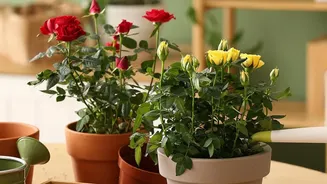
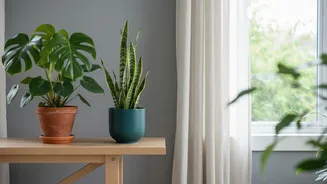
Not all plants are created equal, and their containers make a difference too. A thirsty fern in a small terracotta pot will dry out much faster than a succulent in a large, glazed ceramic pot. Terracotta is porous and allows moisture to evaporate through its sides, while plastic and glazed pots hold water much longer. Different plants also have vastly different needs. Tropical plants like ferns and calatheas may enjoy consistently moist soil, whereas succulents and cacti need to dry out completely between waterings. Grouping plants with similar water and humidity needs together can make your observation-based routine much simpler.
Timing and Technique Matter
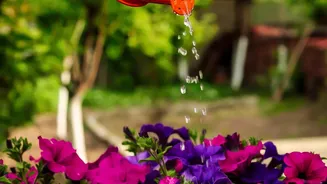
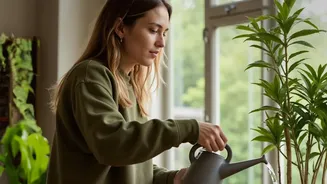
When you've observed that a plant does need water, timing is crucial, especially in humid climates. The best time to water is in the early morning. This gives the plant ample time to absorb the moisture it needs while allowing any water on the foliage to dry quickly as the sun rises, minimizing the risk of fungal diseases like powdery mildew. Watering in the evening is less ideal because leaves can remain damp overnight, creating a perfect environment for fungus to thrive. When you do water, water the soil, not the leaves. Directing water to the base of the plant ensures it gets to the roots where it's needed and keeps the foliage dry.