







Swap Heavy Curtains for Light Cotton
Thick, heavy drapes, especially those made of velvet or dense synthetics, are a recipe for mustiness during the monsoon. They absorb and trap moisture from the humid air, taking a long time to dry and potentially fostering mildew growth. The practical
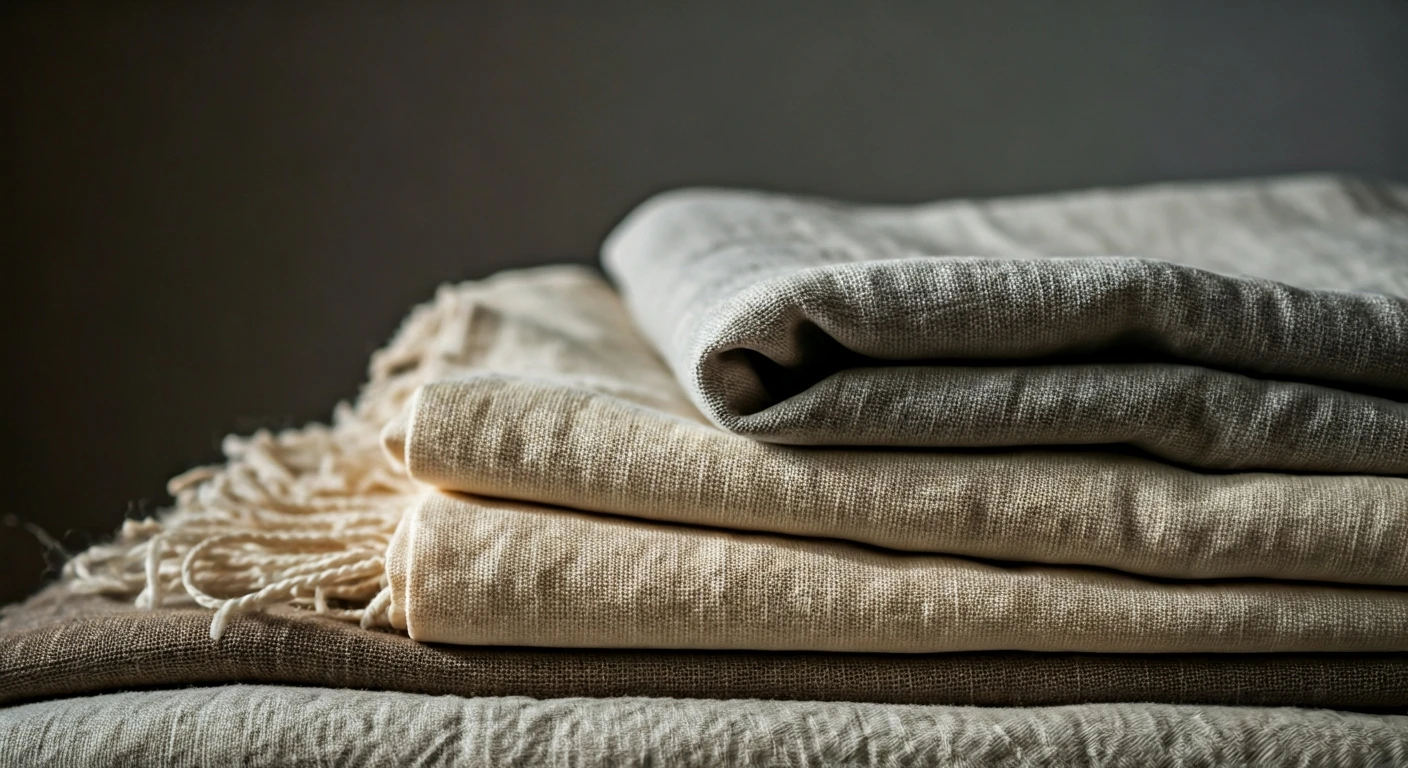
and cosy solution is to switch to lightweight, breathable fabrics like cotton or linen. Sheer or semi-sheer cotton curtains allow for better air circulation, helping to prevent that stuffy feeling. They dry quickly after a damp day and let in the soft, diffused light of the rainy season, making rooms feel brighter and more open. Opt for cheerful colours or light neutral tones to further lift the mood on overcast days.
Embrace Natural Fibre Rugs (With a Caveat)
Cold, bare floors can feel unwelcoming, but wall-to-wall carpeting is a major hazard in humid climates, trapping moisture against the floor. The perfect middle ground is area rugs made from natural fibres. Jute and sisal rugs introduce a wonderful, earthy texture that feels warm and grounding. Their woven nature provides a pleasant underfoot feel without the heavy pile of a traditional carpet. However, these materials can be absorbent, so they are best used in well-ventilated rooms that don't experience direct dampness, like living rooms and bedrooms. In areas with higher moisture, like entryways, consider rugs made from synthetic materials like polypropylene or washable options designed to look like jute. Wool is another excellent natural option, as its fibres are naturally water-resistant and it handles humidity well.
Choose Performance Fabrics for Upholstery
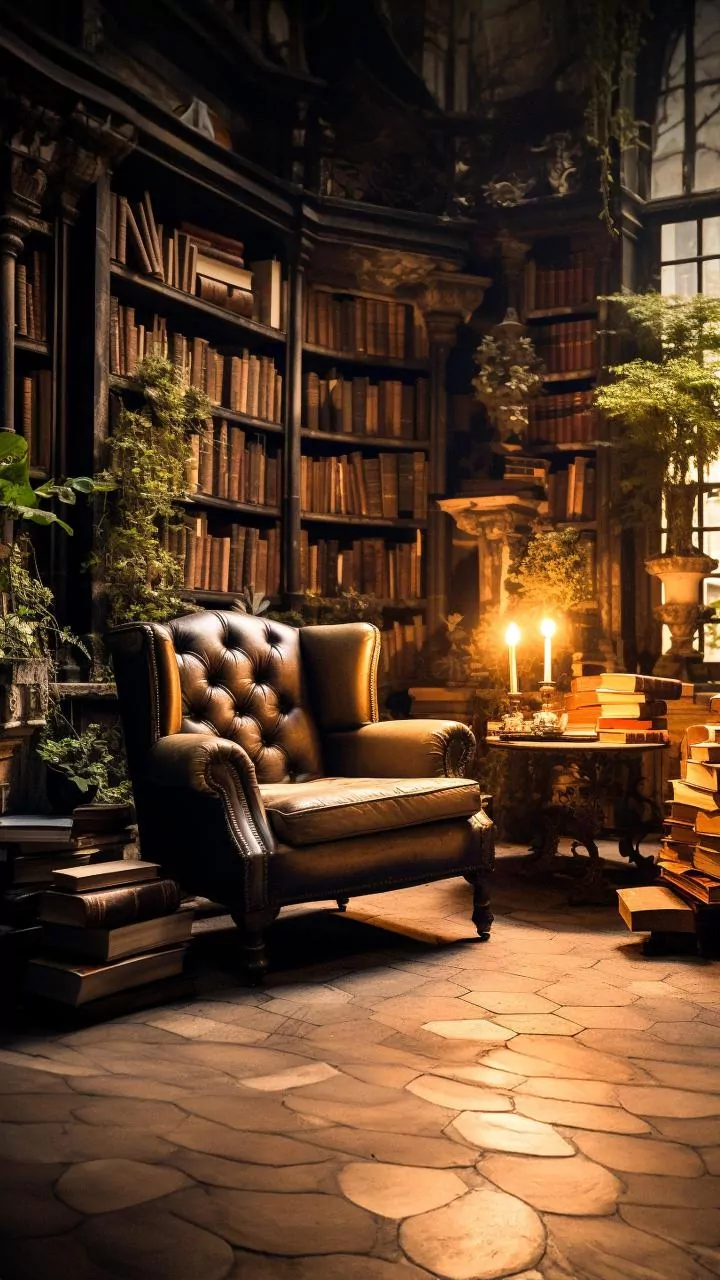
Sofas and armchairs are a big investment, and protecting them from monsoon dampness is crucial. Instead of untreated natural fibres like standard cotton, which absorb humidity, look for modern performance fabrics. Materials like microfiber, vinyl, and solution-dyed acrylics are engineered to be moisture-resistant. Microfiber is tightly woven, making it difficult for moisture to penetrate, and it's soft to the touch, ensuring cosiness. High-quality faux leather or vinyl offers a sleek look and is completely waterproof, making it easy to wipe down. For a fabric feel, look for textiles with a high percentage of polyester, olefin, or acrylic, which are synthetic fibres that naturally repel water and resist mildew.
Layer with Quick-Drying Throws and Cushions
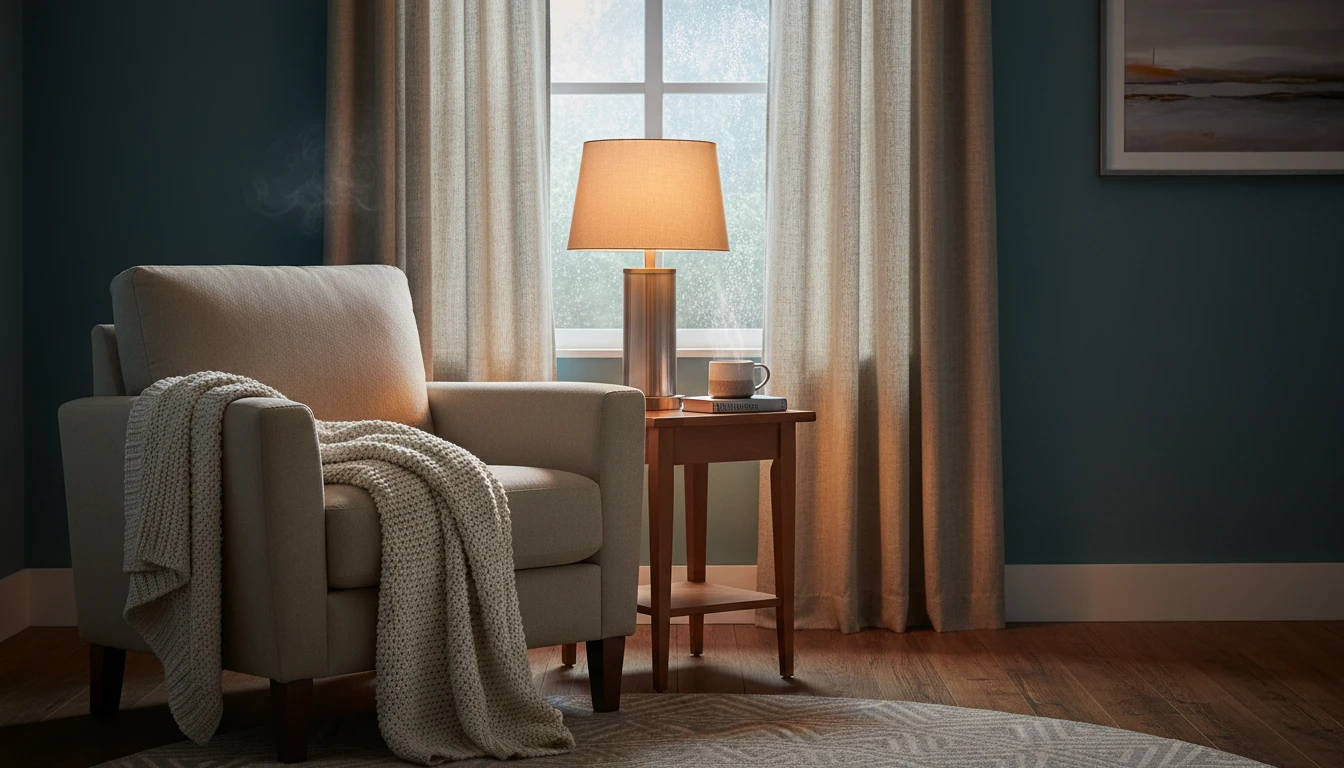
Creating a cosy corner to enjoy the rain with a cup of tea is a monsoon essential. The key is using layers that are both comfortable and practical. Avoid heavy woollen throws, which can become heavy and smelly when damp. Instead, opt for lightweight throws made from breathable materials like lightweight cotton, linen, or bamboo rayon. These natural fabrics allow air to circulate and dry quickly. For cushion covers, choose easily washable materials. Bright, colourful cushions can instantly combat the gloom of a grey day and are an inexpensive way to add personality and warmth to your space. This allows you to snuggle up without worrying about creating a damp, musty environment.
Incorporate Natural and Raw Textures
Beyond fabrics, other textures can enhance the cosy, natural feeling of a monsoon home. Introducing elements of wood, terracotta, and indoor plants connects your indoor space with the refreshed, green outdoors. A wooden side table, a terracotta planter, or a bamboo decorative piece adds warmth and an earthy feel that complements the rainy season. These materials are generally robust in humidity, provided they are not in direct contact with water. Plants, in particular, thrive in the monsoon's humid air and help purify your indoor environment, making it feel fresh and alive.