


A Return to Simplicity and Sense
The modern wellness landscape can be exhausting. From expensive supplements to restrictive diets, the quest for health has become complicated. This fatigue is causing many to look away from global trends and turn towards something more familiar and time-tested:
the food our grandparents ate. This isn't just about nostalgia; it’s a conscious move towards sustainability and common sense. As lifestyle-related health issues rise, people are seeking practical, natural alternatives to highly processed foods. The simple, balanced meals from traditional Indian kitchens, built around whole ingredients, are increasingly seen not as old-fashioned, but as a wise and effective approach to long-term well-being.
The Philosophy of Eating Well
At the heart of this revival is a philosophy that views food as medicine. Traditional Indian eating, deeply influenced by Ayurvedic principles, isn't about isolating nutrients but about creating balance. It emphasizes eating seasonally, using fresh, local produce, and understanding how different ingredients work together to support digestion and overall health. Practices like slow-cooking, fermenting, and using a variety of spices are not just for flavor; they enhance the nutritional value of food and support our digestive fire, or 'agni'. This holistic approach, which nourishes the body in harmony with nature, stands in stark contrast to many modern diets that focus on restriction and single nutrients.
Humble Heroes of the Indian Kitchen
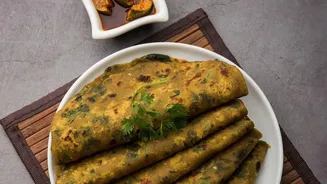
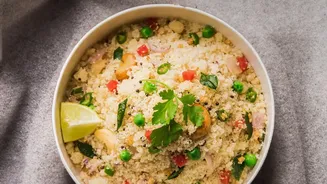
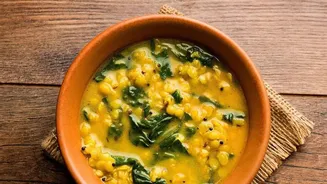
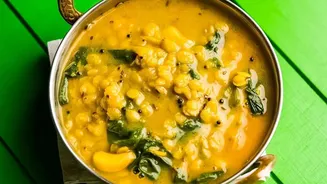
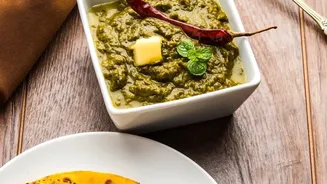
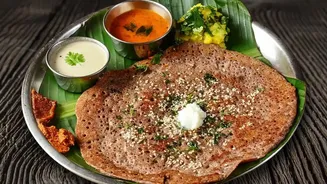
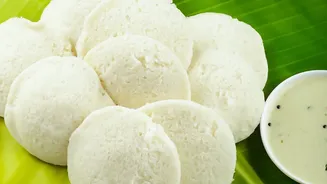
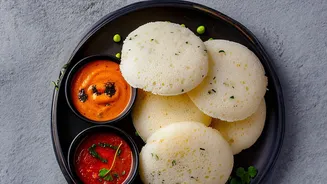
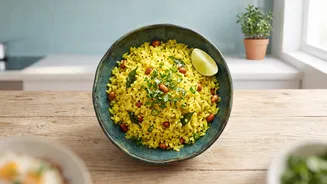
Several unassuming dishes and ingredients are leading this charge. Khichdi, a simple mix of rice and lentils, is being celebrated as a complete protein that is easy to digest and perfect for a system reset. Long considered food for when one is unwell, its benefits for gut health are now widely recognized. Similarly, ghee, once wrongly demonized as an unhealthy fat, has been rehabilitated. It is now praised for its healthy fatty acids, fat-soluble vitamins, and its ability to aid digestion and nutrient absorption. Other staples like fermented foods (dahi, idli, dosa), millets, and spices like turmeric and ginger are also gaining recognition for their probiotic, anti-inflammatory, and gut-supportive properties.
Ancient Wisdom Meets Modern Science
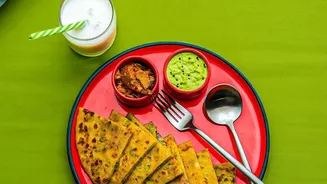
What makes this trend so powerful is that modern science is beginning to validate the wisdom behind these ancient practices. The focus on fibre from whole grains and vegetables in a traditional thali is now understood to be crucial for feeding a healthy gut microbiome. Clinical nutritionists are increasingly recommending these dietary patterns to manage metabolic conditions like diabetes, noting that traditional preparation methods can improve glycemic response. Fermented foods, a cornerstone of many regional Indian diets, are now proven to introduce beneficial probiotics that support everything from digestion to immunity. It turns out that the 'rules' of our ancestors' kitchens were often sophisticated, science-based principles for living well.