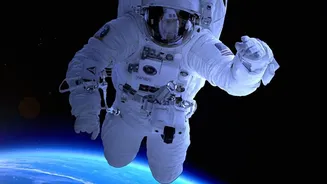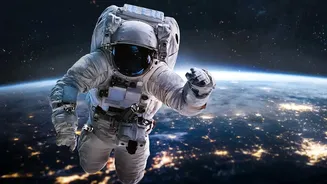


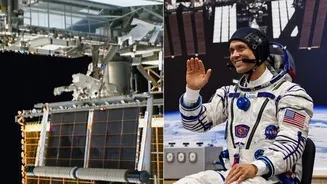
The image is iconic: an astronaut floating effortlessly inside a spacecraft, a gentle push sending them gliding. But the reason for this 'weightlessness' isn't what most people think. It’s not an escape from gravity, but a beautiful dance with it.
Gravity Isn't Gone, Just Reimagined
First,
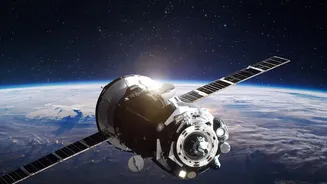
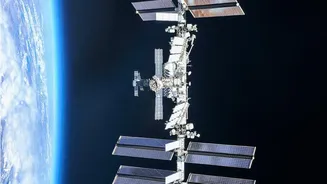
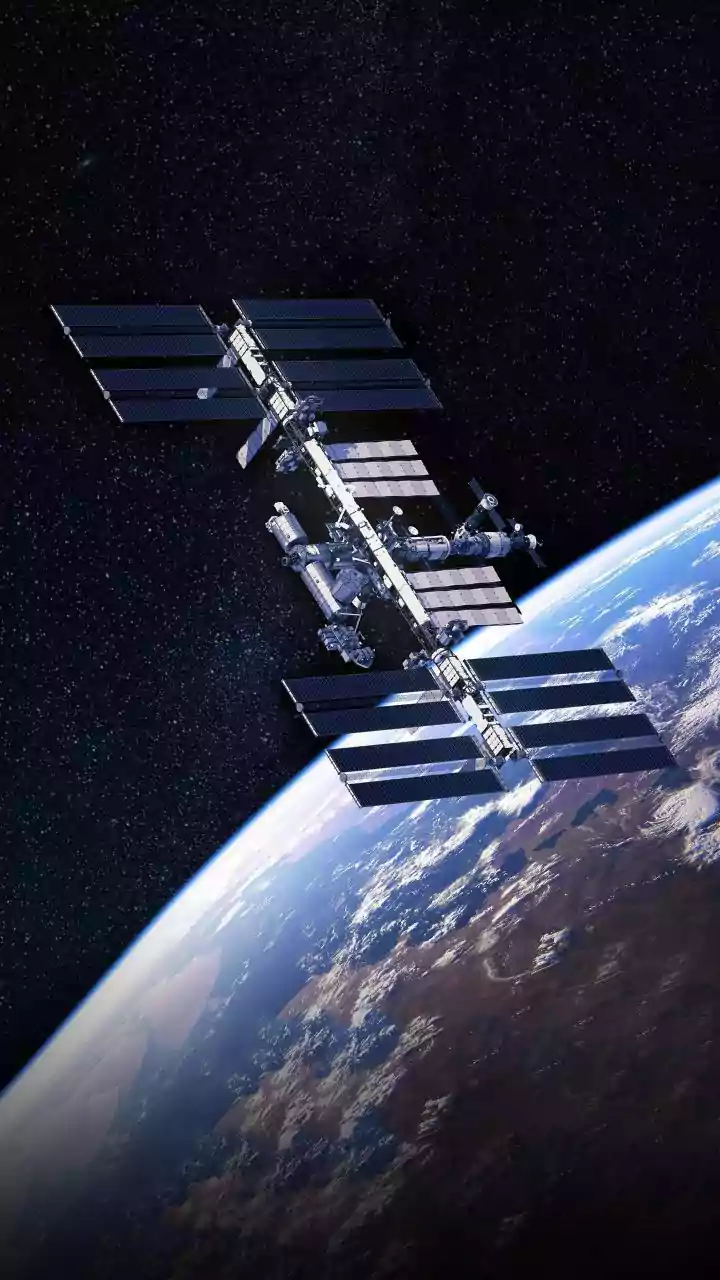
let's clear up the biggest misconception: there is plenty of gravity in orbit. The International Space Station (ISS), for example, flies at an altitude of about 250 miles. At that height, Earth's gravity is still about 90% as strong as it is on the surface. An astronaut who weighs 180 pounds on the ground would still weigh roughly 162 pounds up there. So, if they still have weight, why do they float? The common terms 'zero gravity' or 'zero-g' are misleading. The answer has nothing to do with eliminating gravity and everything to do with embracing it at 17,500 miles per hour.
The Art of Falling and Missing
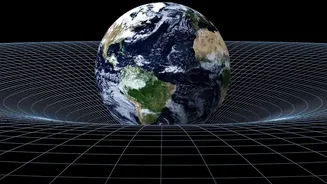
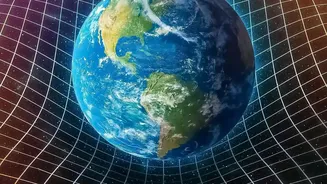
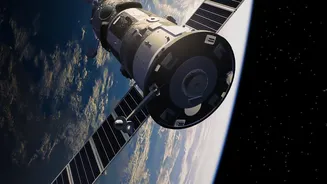
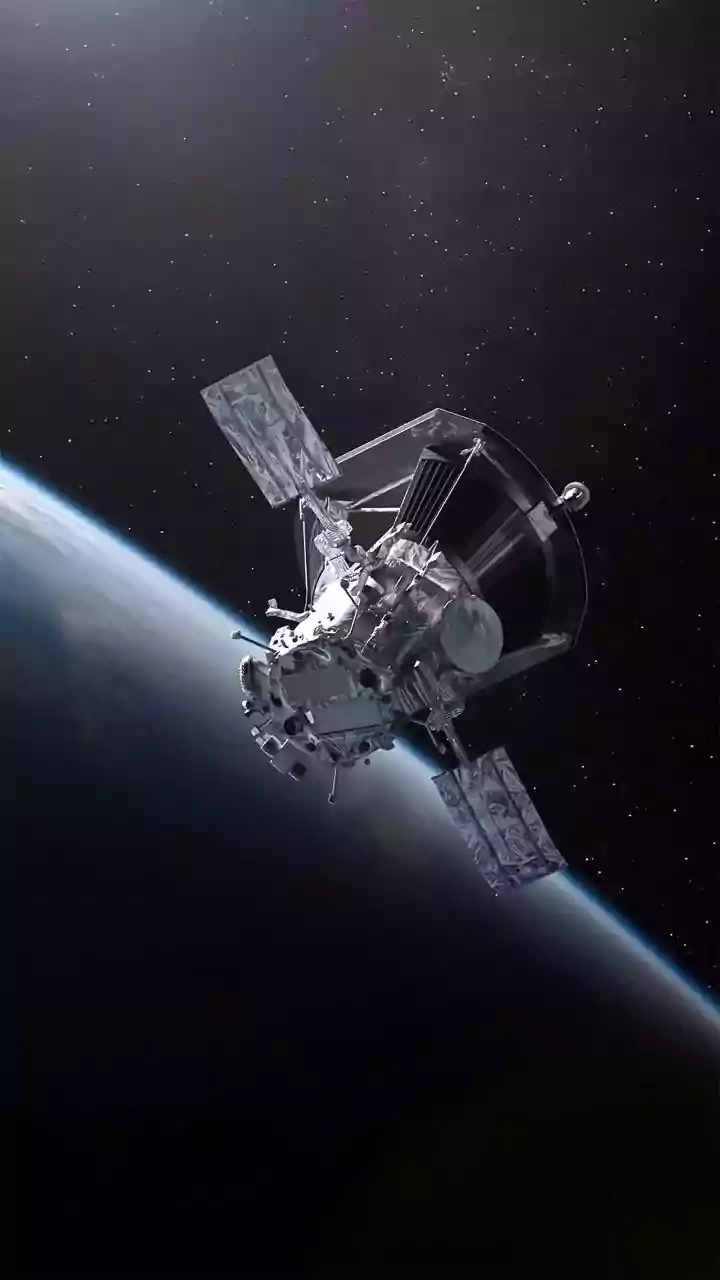
Imagine you're on a very tall mountain and you throw a baseball. It travels a short distance and curves down, hitting the ground. Now, imagine you can throw it much faster. It travels farther before it lands. If you could throw that ball at the exact right speed—about 17,500 mph—something amazing happens. As the ball falls, the Earth's surface curves away beneath it at the exact same rate. The ball is perpetually falling toward the ground, but it never, ever hits. It just keeps falling 'around' the Earth. That, in a nutshell, is an orbit. Astronauts and their spacecraft aren't floating; they are in a constant state of free-fall.
The Free-Falling Elevator Analogy
To understand what this feels like, picture yourself in an elevator standing on a bathroom scale. When the elevator is still, it shows your normal weight. When it goes up, you feel heavier for a moment. But what if the cable snaps? For a terrifying few seconds, the elevator car, the scale, and you would all be falling at the exact same rate. If you were to let go of your phone, it wouldn't drop to the floor; it would just hover there in front of you, falling at the same speed you are. Because everything inside is falling together, you feel weightless. This is precisely what's happening on the ISS. The station, the astronauts, and every loose object are all falling together around the Earth, creating the sensation of floating.
It's Not Zero-G, It's Micro-G
Scientists prefer the term 'microgravity' to 'zero gravity' because it's more accurate. While the constant free-fall neutralizes most of the sensation of weight, it's not a perfect state. Tiny forces, like the push from an astronaut moving around, atmospheric drag on the station, or even the gravitational pull of the Sun and Moon, create minuscule accelerations. These forces are incredibly small—about a millionth of the gravity you feel on Earth—which is why the prefix 'micro' is used. This environment, where the overwhelming force of gravity is perfectly balanced by motion, is what allows for the unique and often beautiful spectacle of life in orbit.