






Understanding This Year's Monsoon
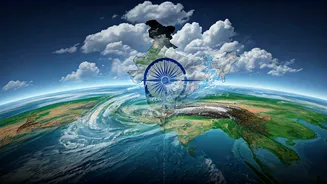
The 2026 monsoon season is proving to be unpredictable. While the India Meteorological Department (IMD) has forecast a below-normal monsoon for July overall, this doesn't mean calm weather. Instead, it points to uneven patterns: long dry spells punctuated
by sudden, intense downpours in localised areas. This volatility is precisely what makes travel so challenging. Recent events in early July have already demonstrated this, with heavy rains triggering flash floods and landslides in northeastern states like Arunachal Pradesh and Assam, as well as across Himachal Pradesh. An orange alert for heavy rainfall has been issued for several districts in Himachal, highlighting the ongoing risk. This pattern of intense, isolated weather events can catch even the most prepared traveller off guard.
The Perils of Infrastructure
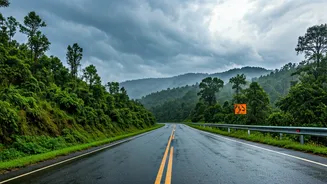
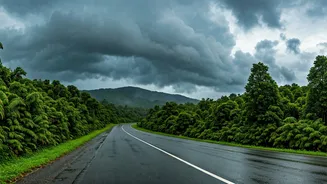
A fixed itinerary assumes that roads, trains, and flights will operate on schedule. During an active monsoon, this is a dangerous assumption. Heavy rains have already led to significant travel disruptions. In early July 2026, dozens of roads were closed across Himachal Pradesh due to landslides, including major national highways connecting popular tourist spots like Shimla and Manali. In Kullu and Mandi districts alone, nearly 30 roads were blocked. Urban centres are not immune; Mumbai has seen severe waterlogging, leading to submerged roads, traffic chaos, and flight delays. This isn't just an inconvenience; it can leave you stranded for days. Landslides can block the only road out of a valley, and washed-out bridges can sever rail links, turning a two-hour drive into a multi-day ordeal.
Navigating Natural Hazards
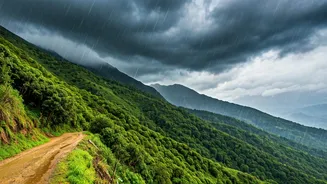
Beyond travel delays, the monsoon brings direct threats to personal safety. Landslides and flash floods are a recurring danger, especially in hilly regions. Areas like the Kullu-Manali corridor, the routes to Char Dham, and parts of the Western Ghats are known high-risk zones. Authorities frequently advise tourists to stay away from rivers and streams, as water levels can rise dramatically without warning. Even popular beach destinations like Goa become hazardous, with strong currents making swimming extremely dangerous. These are not abstract risks; fatalities are reported every year from rain-related incidents, including landslides and accidents on slippery, damaged roads. Prioritizing a packed schedule over safety advisories is a gamble not worth taking.
Health Risks on the Rise
The monsoon is also a peak season for various health issues. The high humidity and widespread waterlogging create ideal breeding grounds for mosquitoes, leading to a surge in vector-borne diseases like dengue and malaria. Water contamination is another major concern, increasing the risk of water-borne illnesses such as typhoid, cholera, and gastroenteritis. It's crucial to drink only bottled or properly filtered water and be cautious about street food, which carries a higher risk of contamination during this season. Fungal infections also become more common due to damp clothes and high humidity. A rigid travel plan might not allow for the downtime needed if you or a companion falls ill.
Embrace Flexibility: The Smart Way to Travel
So, how should you plan your monsoon trip? The key is to build flexibility into every aspect of your itinerary. Instead of pre-booking every hotel and activity, consider making refundable bookings or choosing accommodations that offer flexible cancellation policies. Keep your travel days light, with plenty of buffer time to account for potential delays. Stay informed by regularly checking weather forecasts from reliable sources like the IMD and monitoring local news for travel advisories. Have a Plan B, and even a Plan C. Choosing destinations in lower-risk zones or having backup indoor activities can save your holiday if the weather turns. Packing smartly with quick-drying clothes, waterproof gear, and a first-aid kit is also essential.