







Beyond Vitamins and Sweetness
For years, we've been told to eat fruit for its impressive vitamin and antioxidant profile. We reach for an orange for Vitamin C, a banana for potassium. While these micronutrients are undeniably important, they only tell part of the story. The real magic,
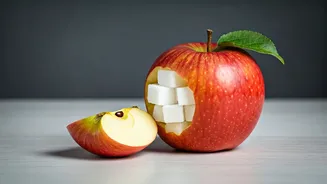
the element that makes a piece of fruit a nutritional powerhouse instead of just a sugary snack, is its dietary fibre. Often dismissed as simple 'roughage', fibre is a complex carbohydrate that the human body cannot digest. Instead of being broken down for energy, it travels through our digestive system largely intact, performing a series of crucial jobs along the way that impact everything from our blood sugar to our gut health.
The Built-In Sugar Manager
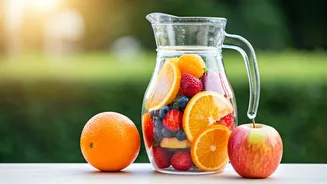
One of fibre’s most important roles is managing the very thing that makes fruit so delicious: its sugar (fructose). When you drink fruit juice, you get a concentrated rush of sugar that can cause your blood sugar levels to spike and then crash. But when you eat a whole apple or a handful of berries, the fibre acts as a built-in braking system. Soluble fibre, which dissolves in water to form a gel-like substance, slows down the absorption of sugar into your bloodstream. This prevents sharp energy spikes and the subsequent fatigue. It’s the reason why eating a whole orange is far more beneficial than drinking a glass of orange juice. The fibre ensures you get a steady, controlled release of energy, making the fruit a satisfying and sustainable snack.
Fuel for Your Gut’s Ecosystem
The conversation around health has increasingly focused on the gut microbiome—the trillions of bacteria living in our digestive tract. This is where fibre truly shines as a superpower. While we can't digest it, our gut bacteria can. Soluble fibre acts as a 'prebiotic', essentially serving as food for the beneficial bacteria in our gut. A well-fed and diverse microbiome is linked to a stronger immune system, improved mental health, and reduced inflammation throughout the body. In contrast, a diet low in fibre can starve these helpful microbes, allowing less beneficial strains to take over. By eating fibre-rich fruits like raspberries, pears, and apples (with the skin on!), you are directly investing in the health of this vital internal ecosystem.
The Key to Feeling Full and Satisfied
Fibre is also a powerful tool for weight management, not because of any 'fat-burning' magic, but because of its effect on satiety. There are two main types of fibre: soluble and insoluble. We've discussed soluble, but insoluble fibre—the kind that doesn't dissolve in water—also plays a key role. It adds bulk to the contents of your digestive system and absorbs water, which helps you feel fuller for longer after a meal. This is why an apple is a more satisfying snack than a handful of sweets with the same number of calories. The physical volume and slow digestion triggered by fibre send signals to your brain that you are full, helping to curb overeating and unnecessary snacking between meals.
How to Maximise the Superpower
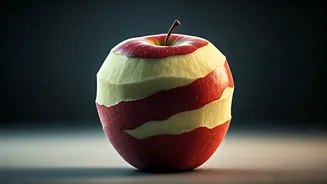
To get the most out of fruit’s superpower, the strategy is simple: eat the whole fruit. The processing that turns fruit into juice strips away nearly all of its beneficial fibre. Similarly, peeling fruits like apples, pears, and guavas removes a significant portion of their fibre content, which is often concentrated in the skin. Prioritise fruits known for their high fibre content. Berries are fantastic choices; a cup of raspberries contains about 8 grams of fibre. Pears, apples, bananas, and oranges are also excellent sources. Aim for variety to feed a wider range of gut bacteria and get a broad spectrum of nutrients. Don't worry about the sugar in whole fruits—the fibre package it comes in is nature's way of ensuring you get all the goodness without the negative side effects.