








India's Multi-Billion Rupee Food Spoilage Problem
India is one of the world's largest producers of fruits, vegetables, and milk, yet a significant portion of this bounty never reaches the consumer. According to various studies, post-harvest losses, particularly for perishable goods, are alarmingly high,
with estimates ranging from 30% to 40% for certain fruits and vegetables. This wastage translates into an annual economic loss valued at thousands of crores of rupees. The primary culprits are inadequate storage facilities, poor transportation, and multiple breaks in the supply chain where produce is exposed to high temperatures, accelerating decay. This not only represents a massive financial drain and a loss of farmer income but also places unnecessary strain on land and water resources.
Defining the Cold Chain
A cold chain is not just a single refrigerator; it's an uninterrupted series of temperature-controlled environments. It starts right at the farm and extends all the way to the final retail outlet. Key components include pre-cooling units at the farm gate to quickly remove field heat, packhouses for sorting and grading in a cooled environment, refrigerated 'reefer' trucks for transport, and cold storage warehouses for longer-term holding. The goal is to maintain a specific, consistent temperature and humidity for a product to preserve its quality, nutritional value, and safety from the moment it is harvested until it is purchased.
Why 'Integrated' Is the Key Word
While India has a considerable number of cold storage facilities, many operate in isolation. A fragmented chain, where a product moves from a cold warehouse onto a regular, non-refrigerated truck, breaks the temperature control, undoing all the benefits. An 'integrated' cold chain solves this by ensuring there are no gaps. Produce moves seamlessly from a pre-cooling unit to a reefer truck, then to a large cold storage distribution centre, and finally onto smaller refrigerated vans for last-mile delivery to metro kitchens and stores. This seamless flow is crucial for preventing temperature shocks that degrade quality. Technology like IoT sensors now allows for real-time tracking of temperature and humidity throughout the entire journey, ensuring integrity.
The Journey of Produce: Farm to Flat
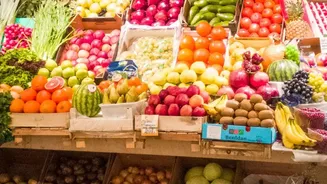
Imagine a batch of premium mangoes harvested in a village. In a traditional supply chain, they might sit in the heat for hours before being loaded onto an open truck. By the time they reach a city market days later, many could be overripe or damaged. In an integrated system, the mangoes are taken to a local packhouse within hours of picking and pre-cooled. They are then packed and loaded onto a large reefer truck, maintaining a precise temperature for the long journey to a major city. At a distribution hub, they are transferred to smaller refrigerated vehicles for delivery to supermarkets or online grocery fulfilment centres, arriving with the 'just-picked' freshness that consumers demand. This unbroken chain is the difference between waste and value.
The Ripple Effect of a Stronger Chain
The benefits extend far beyond just fresher food. For farmers, an integrated cold chain means less of their crop is wasted, and they can access distant, more lucrative markets, significantly boosting their income. It reduces their compulsion to sell produce immediately at low prices. For consumers, it delivers higher quality, safer, and more nutritious food with a longer shelf life. It also helps stabilise market prices by reducing seasonal gluts and shortages. Furthermore, a robust cold chain is critical for growing India's agricultural exports, as international markets demand strict quality and safety standards that only an unbroken temperature-controlled system can meet.
Challenges and the Road Ahead
Building a nationwide integrated cold chain is not without its challenges. The high capital investment for infrastructure, the need for reliable power supply in rural areas, and a shortage of trained manpower are significant hurdles. However, government initiatives like the Pradhan Mantri Kisan Sampada Yojana (PMKSY) are providing financial assistance and promoting the creation of seamless farm-to-retail infrastructure. Private sector investment is also increasing as the demand for high-quality fresh and processed foods grows in urban India. The focus is shifting from merely building storage capacity to creating a truly connected and efficient network.