




How Urban Pollution Damages Hair
The air in many urban environments is filled with tiny particles of soot, dust, and chemical pollutants. These particles don't just sit on the surface; they can adhere to your hair strands and scalp, causing a host of problems. This buildup can block
hair follicles, leading to irritation, itching, and an oily scalp. Over time, this constant exposure to pollutants triggers oxidative stress, which damages the protein structure of the hair, making it weak, brittle, and prone to breakage. This can strip away shine, leaving your hair looking flat and unhealthy.
Harnessing the Power of Antioxidant Herbs
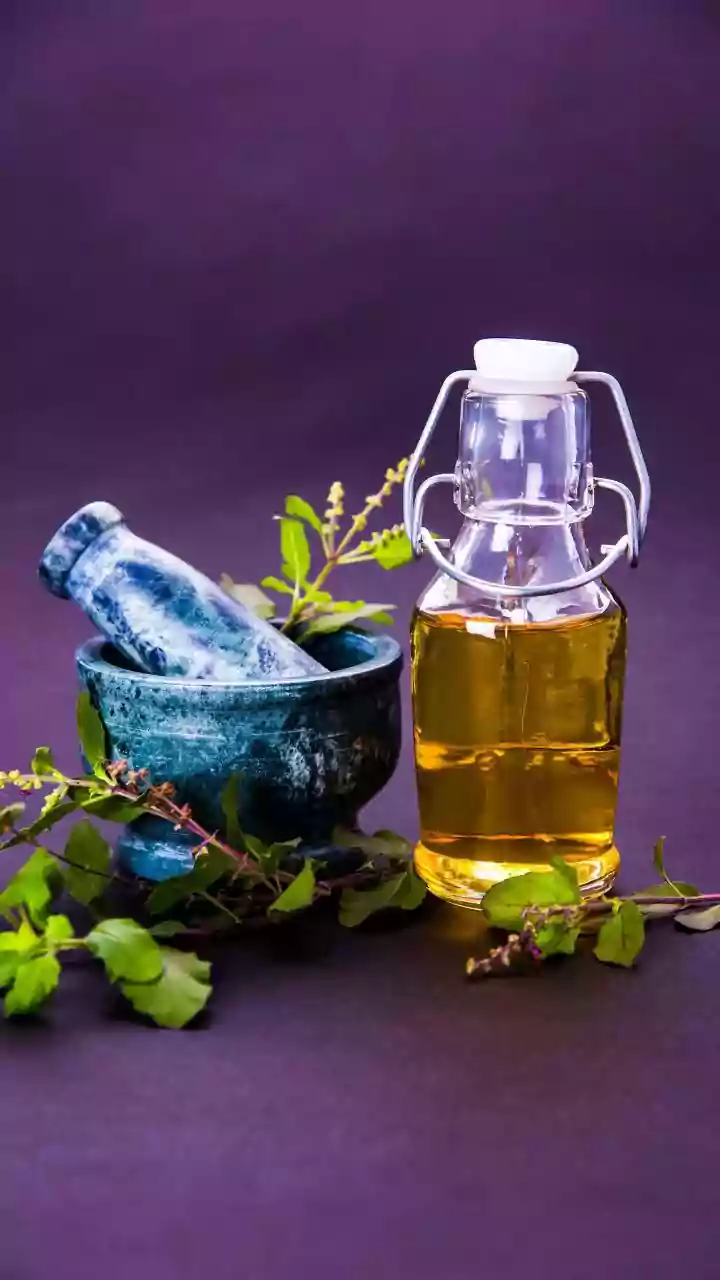
Herbal remedies offer a powerful, natural solution by tackling the root cause of pollution damage: oxidative stress. Many plants are rich in antioxidants, which are compounds that neutralize the harmful free radicals generated by pollutants. Ingredients like Amla (Indian gooseberry), Neem, and Green Tea are celebrated in traditional practices for their protective and restorative properties. By incorporating these herbs into your hair care routine, you can help cleanse the scalp of pollutants, soothe irritation, and provide the nourishment needed to rebuild stronger, more resilient hair.
DIY Detoxifying Scalp Mask: Neem and Bentonite Clay
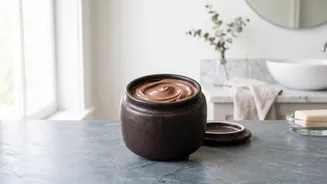
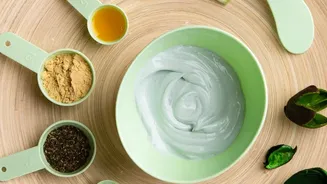
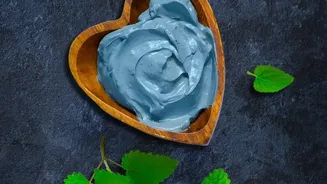
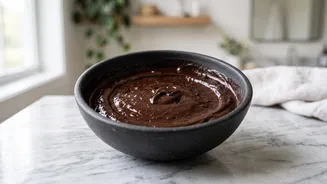
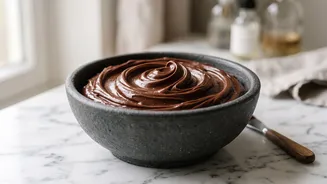
This mask is designed to deeply cleanse the scalp, removing pollutant buildup and excess oil. Bentonite clay is highly absorbent, acting like a magnet to draw out impurities, dirt, and toxins from the scalp and hair. Neem is a powerhouse herb with potent antimicrobial and anti-inflammatory properties, making it excellent for soothing an irritated, itchy scalp and combating dandruff.To make the mask, combine two tablespoons of bentonite clay powder with one tablespoon of neem powder. Slowly add water or apple cider vinegar until you form a smooth paste with a yogurt-like consistency. Apply the mixture thoroughly to your scalp and the roots of your hair. Leave it on for 15-20 minutes, but do not let it dry completely. Rinse thoroughly with warm water before proceeding with your usual shampoo and conditioning routine.
DIY Revitalising Rinse: Amla and Green Tea
To restore shine and strength, an antioxidant-rich rinse is a fantastic finishing step. Amla is one of the richest natural sources of Vitamin C, a powerful antioxidant that helps protect hair from environmental damage and supports collagen production, which is essential for hair structure. Green tea is packed with polyphenols and catechins, which stimulate blood circulation in the scalp, promote healthy growth, and help to fortify hair strands against breakage.To create this rinse, brew a strong cup of green tea using two tea bags in hot water. Let it cool completely. Mix in one tablespoon of amla powder until it dissolves as much as possible. After shampooing and conditioning your hair, pour the cooled liquid over your scalp and hair as a final rinse. Gently massage it in and do not rinse it out. Style your hair as usual.
Consistency Is Key for Lasting Results
Like any natural treatment, these herbal remedies work best when used consistently. Aim to use a detoxifying mask once a week or every two weeks, depending on your hair's needs and your level of exposure to urban pollution. The revitalising rinse can be used more frequently, up to a few times a week after washing your hair. Pay attention to how your hair responds and adjust accordingly. Pairing these treatments with a gentle, sulfate-free shampoo and a nourishing diet rich in antioxidants, such as leafy greens and berries, will further support your hair's ability to withstand the stresses of city living.