





The Goldilocks Promise
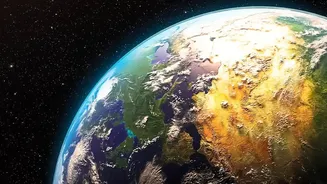
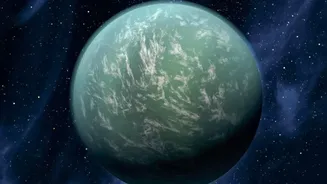
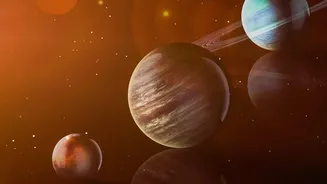
In the vastness of space, the habitable zone, often called the “Goldilocks zone,” is the region around a star where conditions are just right for a planet to have liquid water on its surface. Too close, and water boils away, as likely happened on Venus;
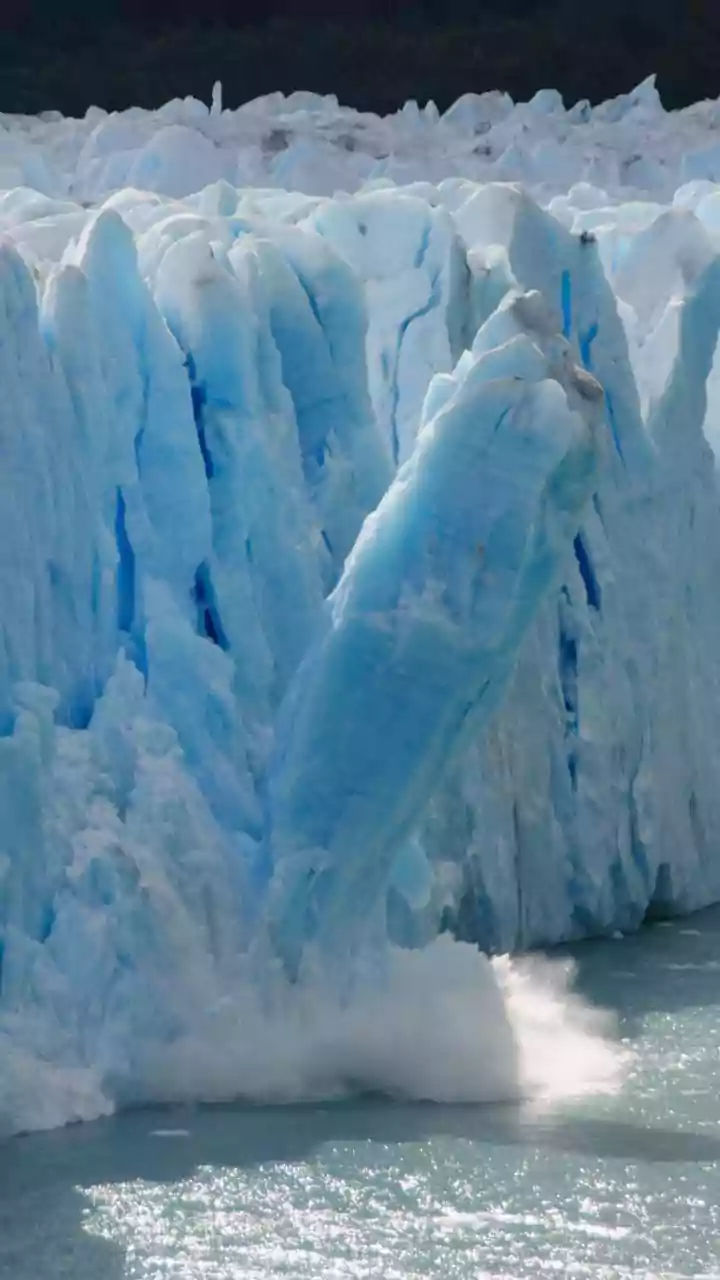
too far, and it freezes solid, like on Mars. Because life on Earth is fundamentally dependent on liquid water, this concept has become a crucial first filter for astronomers. It allows them to narrow down the billions of exoplanets to a more manageable list of candidates that might harbor life as we know it. This makes the habitable zone an indispensable tool, helping to focus the powerful, yet limited, time of telescopes like the James Webb Space Telescope.
Beyond Surface Temperature
The problem is that a planet’s address doesn’t tell the whole story. Simply being in the habitable zone doesn't guarantee habitability. Venus is a prime example; while it sits within or near the inner edge of our sun's habitable zone, its runaway greenhouse effect has created a scorching, toxic world with surface temperatures hot enough to melt lead. A planet's atmosphere is a critical variable. An atmosphere that is too thick can trap excessive heat, while one that is too thin cannot provide enough insulation or pressure to keep water liquid. Furthermore, a planet's size matters. Worlds that are too small lack the gravity to hold onto their atmosphere over billions of years, leaving them exposed and barren.
The Complete Planetary Checklist
True habitability depends on a complex interplay of many factors. A protective magnetic field, for instance, is vital to shield a planet's atmosphere and surface from its star's harmful radiation and solar wind, which can strip away both air and water. Active geology, like plate tectonics, is also thought to be important. It helps regulate the planet's climate over geological timescales by cycling elements like carbon between the atmosphere, oceans, and crust. Even the type of star a planet orbits makes a huge difference. Cooler, dimmer red dwarfs are the most common stars in our galaxy, but their habitable zones are very close, exposing planets to intense stellar flares and tidal locking, where one side of the planet perpetually faces the star.
Rethinking 'Habitable' Itself
As our understanding grows, scientists are realizing that life might not be confined to Earth-like surfaces. Some of the most compelling places to search for life within our own solar system are moons like Jupiter's Europa and Saturn's Enceladus. These icy worlds lie far outside the sun’s traditional habitable zone, yet they are believed to harbor vast liquid water oceans beneath their frozen shells. This water is kept liquid not by the sun, but by internal heat generated from the immense gravitational pull of their host planets. These subsurface oceans, protected from surface radiation and interacting with a rocky core, could provide all the necessary ingredients for life—energy, nutrients, and liquid water—completely independent of starlight.