



Understanding the November Chill
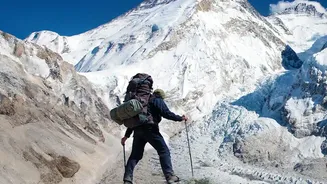
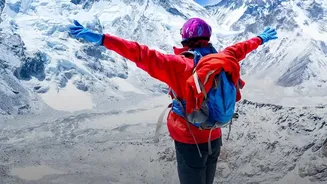
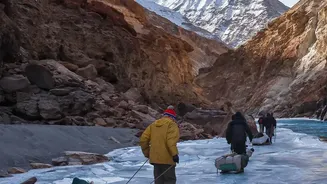
November is a prime post-monsoon trekking month, but as you ascend, the temperature drops significantly. While daytime can be pleasant for walking, nighttime temperatures, especially above 3,500 metres, can fall well below freezing, often reaching -10°C
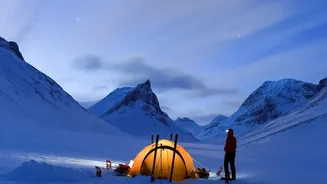
to -15°C in areas like the Everest Base Camp trail. The tea houses or lodges where you will sleep are often basic, with unheated rooms made of thin plywood or stone. The only source of heat is typically a stove in the communal dining hall. This means staying warm at night is entirely your responsibility, and arriving unprepared can lead to miserable, sleepless nights and increase health risks.
Master the Art of Layering
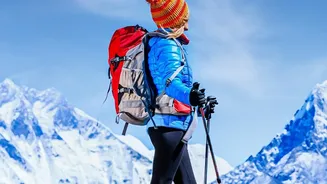
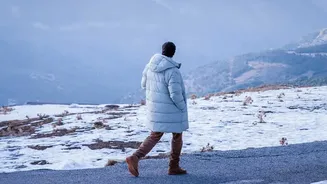
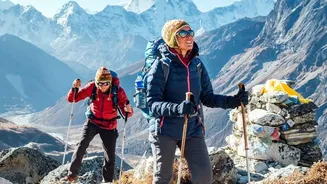
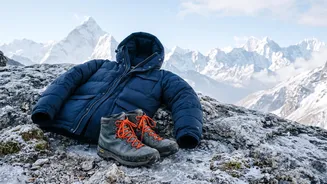
Layering is the most effective strategy for managing temperature. Instead of one bulky jacket, use a three-part system you can adjust. First, a moisture-wicking base layer (top and bottom) made of merino wool or synthetics is essential; it pulls sweat away from your skin to keep you dry. Avoid cotton at all costs, as it retains moisture and makes you colder. Second, add an insulating mid-layer, like a fleece or a down jacket, to trap body heat. Finally, an outer shell jacket that is both waterproof and windproof will protect you from the elements. This system allows you to add or remove layers as your activity level and the weather change throughout the day.
Protect Your Extremities
Your head, hands, and feet are most vulnerable to the cold. Always pack a warm wool or fleece hat that covers your ears, or even a balaclava for extra protection against harsh winds. A pair of lightweight gloves is useful for milder conditions, but insulated, waterproof mittens are crucial for frigid nights and high-altitude passes. For your feet, pack multiple pairs of moisture-wicking wool or synthetic hiking socks. It is a good practice to keep one pair of socks strictly for sleeping to ensure your feet are always in something dry and warm at night. Wearing dry clothes to bed is a fundamental rule for staying warm.
Nighttime Essentials for a Warm Sleep
Your sleeping bag is your most important piece of gear for battling the cold nights. Choose a high-quality down or synthetic bag with a temperature rating of at least -10°C to -20°C. While some tea houses provide blankets, they are often thin and insufficient on their own. A sleeping bag liner can add extra degrees of warmth and is also a good hygiene practice. A simple yet effective trick is to fill a durable water bottle, like a Nalgene, with hot water before bed and use it as a hot water bottle inside your sleeping bag. This not only provides hours of warmth but also ensures you have unfrozen water to drink in the morning.
Fuel, Hydration, and Acclimatization
Your body is a furnace, and it needs fuel to generate heat. Eat plenty of nutritious meals and carry high-energy snacks. Staying hydrated is also crucial at altitude, as dehydration can accelerate the effects of cold. Drink plenty of warm liquids like tea or soup. Proper acclimatization—ascending slowly to allow your body to adjust to lower oxygen levels—is vital for preventing altitude sickness. Altitude sickness can impair your judgment and physical ability, making you more susceptible to other dangers like hypothermia. A well-acclimatized body is stronger and better equipped to handle the physical stress of cold.