





The Myth of the 'Finished' Room
In an age of social media perfection, it’s easy to feel that a home is a project to be completed on a deadline. We scroll through flawless interiors and feel a sense of urgency to replicate them. This often leads to rushed decisions, impulse buys, and a room
filled with items that don't truly resonate. The result can be a space that looks like a catalogue but lacks soul and personality. The “slow decorating” movement offers a powerful antidote. It’s a philosophy that champions patience and encourages you to see your home not as a finished product, but as an evolving reflection of your life. It’s about creating a space that tells your story, one meaningful piece at a time.
A Home That Tells Your Story
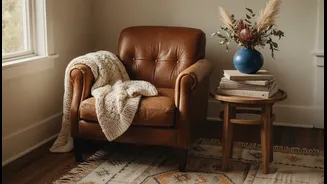
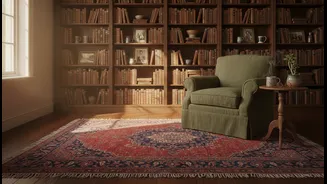
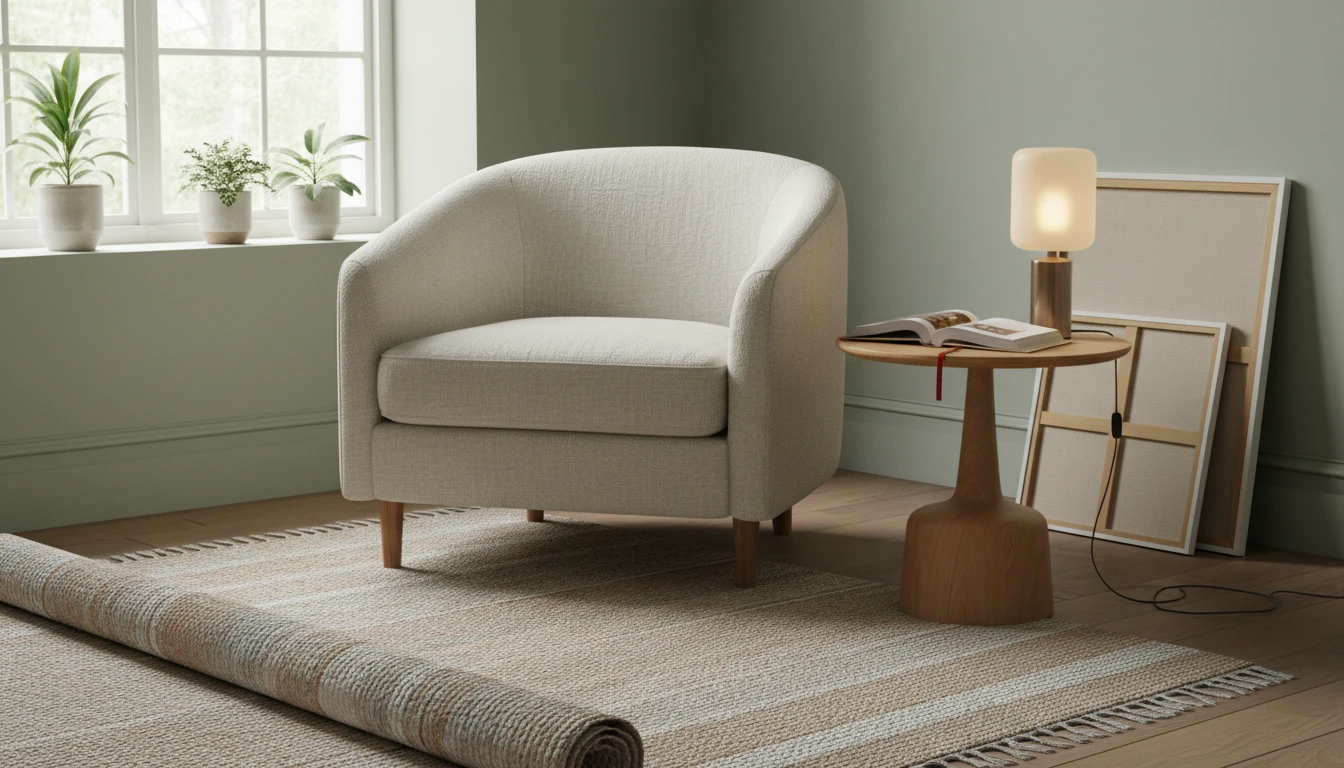
A home decorated over time feels collected, not decorated. Each piece has a reason for being there. It might be a hand-carved bookshelf from a local artisan, a rug you found on your travels, or a comfortable armchair passed down through your family. These items carry memories and meaning, transforming your house into a deeply personal sanctuary. In India, this idea has deep cultural roots. Many families cherish heirlooms—a brass trunk, a textile, or a wooden chair—that have moved across generations, their value measured in stories, not just material. By embracing a gradual approach, you give yourself the freedom to curate a collection of objects that are authentically you.
Better for Your Budget and the Planet
Rushing to furnish an entire room at once can be a significant financial strain, often leading to compromises on quality or settling for trendy, mass-produced items that won't stand the test of time. A slower pace allows you to budget more effectively, saving up for high-quality investment pieces that you’ll love for years. This method is also inherently more sustainable. It encourages you to move away from “fast furniture” and instead seek out secondhand treasures, support local craftspeople, and choose well-made items. This conscious consumption reduces waste and fosters a deeper connection to the things you own.
How to Embrace a Slower Pace
So, how do you start? First, live in your space for a while before making any major decisions. Understand how the natural light moves through the room, where you naturally gravitate to for reading, and how your family uses the space daily. Prioritise function and start with the essentials: a comfortable bed, a place to sit, adequate storage. From there, let your needs guide your next purchase. Create a loose vision or a mood board, but be flexible. The joy of slow decorating is in the discovery—finding the perfect piece when you least expect it. Don't be afraid of empty space; see it as breathing room, a pause that allows for more thoughtful choices down the line.
The Joy of a Lived-In Home
Ultimately, the goal is to create a home that supports your well-being and feels good to live in. Psychology tells us that our environments significantly impact our mood and mental state. A space filled with personal artifacts and intentional choices fosters a sense of security and belonging. It becomes a true refuge from the outside world. By letting your furniture and decor arrive gradually, you’re not just decorating a room; you’re cultivating a home. You’re allowing it to grow and change with you, creating a layered, meaningful environment that could never be replicated overnight.