





The Golden Spice: Turmeric
A staple in every Indian kitchen, turmeric is especially valuable during the rainy season. Its active compound, curcumin, has powerful anti-inflammatory, antioxidant, and antimicrobial properties. These qualities help strengthen the immune system, equipping
your body to fight off the common coughs, colds, and infections that thrive in the damp weather. Adding a pinch to your dals, vegetables, or a warm glass of milk can boost your body's natural defences. For maximum benefit, experts recommend pairing it with a little black pepper to enhance curcumin absorption.
Warming Root: Ginger
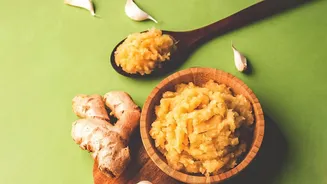
Ginger is a classic monsoon remedy for good reason. Known for its warming properties in Ayurveda, it helps the body adapt to the cool, damp weather. The bioactive compound gingerol provides anti-inflammatory and antioxidant effects, helping to soothe sore throats, clear congestion, and support the immune system. A warm cup of ginger tea is not just comforting on a rainy day; it also aids digestion, which can become sluggish during this season. Adding freshly grated ginger to soups and curries can help keep your digestive fire strong.
Nature's Antibiotic: Garlic
Garlic is highly regarded for its immune-boosting capabilities. It contains allicin, a compound known for its antibacterial and antiviral properties. Regular consumption of garlic can enhance the response of your white blood cells, helping them fight off viruses like the common cold and flu more effectively. To make the most of its benefits, it's best to consume garlic crushed or chopped. Adding it to your daily meals is a simple way to build a stronger defence against seasonal illnesses.
Protein Power: Lentils and Legumes
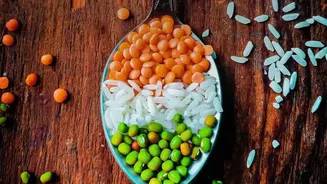
Warm, freshly cooked meals are highly recommended during the monsoon, and lentils (dals) are a perfect fit. Legumes like moong dal, in particular, are light and easy to digest, which is crucial when the digestive system is more sensitive. They are an excellent source of protein and fibre, keeping you energised and supporting gut health. A simple bowl of khichdi made with rice and moong dal is a comforting and nourishing meal that is gentle on the stomach.
Seasonal Vegetables: Cooked, Not Raw
While leafy greens are nutritious, the monsoon is a time to be cautious with raw foods due to a higher risk of contamination. Instead, opt for seasonal gourds like bottle gourd (lauki), ridge gourd (tori), and pumpkin (kaddu). These vegetables are light, easy to digest, and hydrating. Vegetables like bitter gourd (karela) and drumsticks (moringa) are also excellent choices as they are packed with vitamins and antioxidants that bolster immunity. Always wash vegetables thoroughly and consume them well-cooked in soups, stews, or sabzis to avoid waterborne infections.
Gut-Friendly Probiotics: Fresh Curd
Gut health is directly linked to immunity, making probiotics an important part of a monsoon diet. Fresh, homemade curd (yoghurt) is a fantastic source of beneficial bacteria that supports a healthy digestive system and strengthens your immune response. It is particularly helpful in a season where digestive issues are common. Experts suggest consuming curd during the daytime for the best results and ensuring it is fresh, as it can spoil quickly in humid weather.
Immunity-Boosting Fruits
It's wise to be selective with fruits during the monsoon. Opt for those with thick peels that you can wash and peel yourself. Pomegranates, apples, pears, and papayas are excellent choices. They are rich in essential vitamins, particularly Vitamin C, and antioxidants that help fortify your immune system. Pomegranates, for instance, are packed with antioxidants that protect cells from damage, while citrus fruits like oranges and amla (Indian gooseberry) are powerhouses of immunity-boosting Vitamin C.