




The New Beauty Heartland
The story of India's beauty market is no longer confined to the high streets of Delhi and Mumbai. A profound shift is underway, with the industry's new heartland emerging in Tier 2 and Tier 3 cities. Recent data from e-commerce platforms paints a clear
picture: this growth is being powered by Gen Z. One major platform, Flipkart, reported that its beauty and personal care category grew by 50% year-on-year, with Gen Z driving nearly 60% of all beauty purchases. Crucially, two out of every three beauty-related searches now originate from non-metro markets. Cities like Cuttack, Gorakhpur, Guntur, and Sangli are becoming the new trendsetters, with two in three beauty orders on the platform coming from these non-metro areas. This isn't just about volume; it's also about value. Demand for premium beauty products in these regions is surging, with Amazon India noting that over 50% of its premium beauty demand now comes from Tier 2 and 3 cities. The Indian beauty market, currently valued at around $27 billion, is projected to reach $39 billion by 2030, and this decentralised demand is a key engine of that growth.
Digital Access Unlocks Aspiration
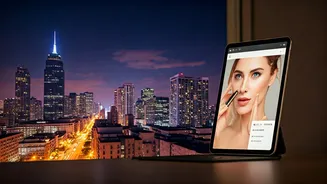
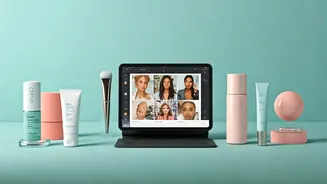
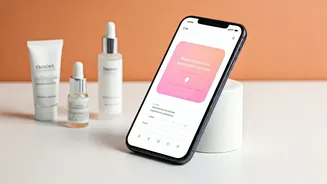
This boom beyond the big cities is a direct result of the digital revolution. The trifecta of affordable smartphones, cheap data, and the aggressive expansion of e-commerce has effectively erased the access problem that once separated metros from the rest of India. Consumers in smaller cities always had aspirations for global brands and quality products; now they have the means to discover and purchase them. E-commerce giants have become the new beauty counters for millions. Flipkart reports selling 12 beauty products every second, a testament to the sheer scale of this new digital marketplace. This digital democratisation means that trends, once concentrated in urban centres, now spread nationwide almost instantly. Young, digitally native consumers are not just buying products; they are actively seeking solutions, with searches for specific ingredients like niacinamide and hyaluronic acid becoming common even in smaller towns.
From Bollywood to Local Influencers
The way Gen Z discovers and trusts beauty brands has also been fundamentally rewired. The era of relying solely on celebrity endorsements is fading. Today, influence is hyperlocal. Peer recommendations, micro-influencers, and creator-led content have overtaken traditional advertising. This generation seeks authenticity and relatability, finding it in regional creators who understand local nuances. Brands are taking notice, shifting their marketing playbooks. Social commerce—integrating shopping directly into social media feeds through live streams and interactive sessions—has become a game-changer. It fosters a sense of community and trust that glossy ads often lack. Recognizing this, platforms like Flipkart are expanding their creator-focused events, such as the Glam Up Fest, into non-metro cities like Guwahati to directly engage with regional creator ecosystems.
The Non-Metro Shopping Cart
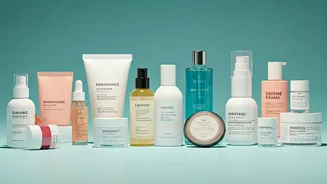
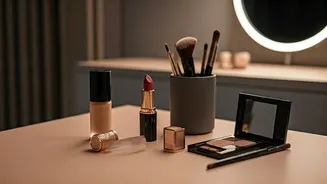
So, what are these young consumers buying? The trends are diverse. While foundational categories like makeup and skincare lead, there's a growing sophistication. The men's grooming category, for instance, has seen standout growth of 65% year-on-year, with searches for products like 'Sunscreen for Men' and 'Hair Serum for Men' skyrocketing. Premium beauty and fragrances are also growing at impressive rates of over 60% and 45% respectively. Consumers are becoming more ingredient-literate and solution-oriented, looking for products that address specific concerns like pigmentation or barrier repair. This has led to the rise of what some call 'PIN code Beauty', where demand is shaped by hyperlocal factors like climate and water quality, creating niche demands for products like hard-water scalp care in certain regions. Direct-to-consumer (D2C) brands have been particularly adept at catering to these specific needs, offering targeted solutions that resonate with a more informed customer base.