







Get ready for a major shift in how you book flights in India. Starting January 1, 2027, a new set of aviation rules will be enforced, aiming to bring unprecedented transparency to ticket pricing and passenger terms you need to know before you fly.
Out With the Old, In With the New
The
Indian government is set to replace the colonial-era Aircraft Rules of 1937 with a completely new regulatory framework. This new rulebook, known as the Bharatiya Vayuyan Niyam, 2026, was notified in late October 2026 and will officially come into effect on January 1, 2027. This is not just a minor update; it is a comprehensive overhaul of the laws governing India's civil aviation sector, covering everything from aircraft manufacturing and safety to airport operations. For passengers, the most significant changes are centred around fare transparency and consumer rights, modernising the way key commercial terms are presented.
Fare Transparency Takes Centre Stage
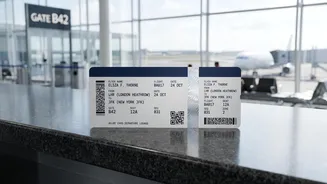
The heart of the new guidelines for consumers is the mandate for complete fare transparency. Under the new rules, airlines will be required to provide a detailed, itemised breakdown of the total amount payable by a passenger at the time of booking. This must be clearly displayed on their websites and on the final ticket. The breakdown will include the base fare, taxes, and any other fees. Most importantly, airlines must now separately and explicitly state the 'cancellation charges' and 'refund conditions' associated with the ticket being purchased. This move is designed to end the frustration of discovering hidden charges or restrictive terms late in the booking process, allowing passengers to make a more informed decision by comparing not just the price, but the flexibility of different tickets.
A New Power for Government Intervention
Another major change is a new provision that allows the central government to intervene in airfare pricing during 'extraordinary situations'. If the government believes such a situation has arisen, it can issue written directions to airlines in the public interest. However, the rules do not define what qualifies as an 'extraordinary situation', leaving it to the government's discretion. Officials have stressed that this does not mean a return to fare caps or routine government interference. In normal circumstances, airlines will continue to set their prices based on market dynamics like demand and operational costs. This new power is intended as a lever to be used only in exceptional circumstances to prevent extreme price surges.
The Continued Role of the DGCA
While airlines retain their pricing freedom, they will not operate without oversight. The Directorate General of Civil Aviation (DGCA) will continue to play a crucial monitoring role. Under the Bharatiya Vayuyan Niyam, 2026, scheduled airlines are required to submit their tariff structures to the DGCA as specified by the regulator. They must also publish these tariffs on their own websites and other digital platforms to ensure wider public awareness. This system ensures that while market forces drive pricing, the regulator maintains a clear view of how fares are structured across the industry, adding a layer of accountability.
What This Means for Your Next Trip
These modernised rules are a significant step towards empowering the Indian air traveller. While the changes won't necessarily lead to cheaper flights, they weaponize information for the consumer. From 2027, when you compare two flights, you'll be able to see, side-by side, not just the final price but also the penalty for cancelling or the conditions for getting a refund. This clarity is invaluable. A slightly more expensive ticket with flexible cancellation terms might be a better deal than a cheaper, nonstrefundable one. This transparency forces airlines to compete not just on price but on the fairness of their terms, ultimately giving passengers more control and fewer unwelcome surprises.