





A Nostalgic Comeback
For those who grew up in the 90s and early 2000s, 'The Den' wasn't just a TV show; it was a cultural touchstone. It represented a cozy, family-centric space dedicated to entertainment and togetherness. The 2026 reboot, now streaming on a major platform,
has masterfully updated its format. It retains its warm, inviting spirit while acknowledging that the modern home, and by extension the modern den, has fundamentally changed. The show's creators have tapped into a powerful sentiment: our homes have had to become more adaptable, and the new 'Den' reflects this reality. The show's brief return during the pandemic in 2020 already proved its enduring popularity.
Defining the Flexible Den
So, what exactly is a “flexible den?” It's a significant evolution from the traditional TV room. Instead of a space solely for passive entertainment, today's den is a multi-functional hub. The ongoing influence of remote work has been a major catalyst for this transformation. A room that serves as a home office by day might need to transform into a family movie room by night, and a quiet reading nook over the weekend. This shift demands more than just a couch and a screen; it requires thoughtful design, smart technology, and furniture that can pull double or even triple duty.
The Work-From-Home Influence
The rise of remote work has forced us to rethink our living spaces. What was once a luxury, a dedicated home office, is now a necessity for many. However, not everyone has a spare room. This is where the flexible den shines. Architects and designers are now integrating home office needs into living areas by default. This includes creating well-lit nooks that can serve as a workspace, ensuring there are enough power outlets for multiple devices, and even considering the aesthetics of the background for video calls. Sound-absorbing materials and partitions are also becoming popular to create acoustic privacy in open-plan homes.
Key Elements for Your Own Den
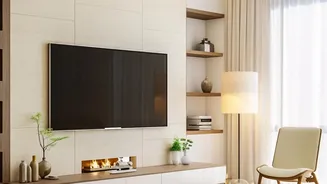
Creating a flexible den is about smart choices. Modular furniture is the star player. Think sofa-cum-beds, nesting tables that can be rearranged, and wall-mounted desks that fold away when not in use. In many Indian urban homes where space is a premium, such furniture is essential. Another key is vertical storage. Floor-to-ceiling shelves or floating cabinets can free up valuable floor space while keeping clutter at bay. Finally, lighting is crucial. A layered lighting scheme with ambient, task, and accent lights allows the room's mood and function to be changed with the flick of a switch.
The Indian Context
In India, the concept of a multi-purpose room is not new; it’s an intrinsic part of family life. The modern flexible den adapts this tradition for contemporary needs. In cities like Mumbai and Delhi, where apartments can be compact, a single room often serves as a living room, guest room, and now, a workspace. Indian furniture makers have responded with modular designs that offer enhanced storage and durability suited to local usage patterns. Pieces like extendable dining tables that can also be used for work, or wardrobes with sliding doors to save space, are becoming standard. The goal is to create a space that is efficient, stylish, and can comfortably accommodate the varied activities of a modern Indian family.