





A Conscious Stand Against Landfills
For many young people in cities like Bengaluru, Mumbai, and Delhi, the reality of India's waste crisis is impossible to ignore. Towering landfills on the outskirts of cities are not just an eyesore; they are environmental hazards, releasing methane and polluting
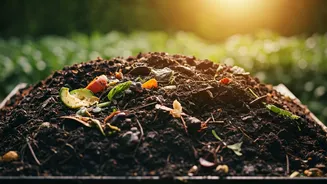
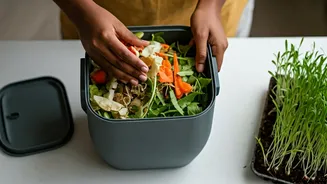
groundwater. Instead of feeling helpless, many are taking a small, tangible step to be part of the solution. Composting kitchen scraps at home can divert up to 60% of a household's waste from ending up in these overburdened landfills. It’s a powerful, direct action that turns a daily chore—disposing of waste—into a conscious act of environmental responsibility. This sense of making a real, measurable difference, one banana peel at a time, deeply resonates with a generation anxious about climate change.
The Joy of Creating 'Black Gold'
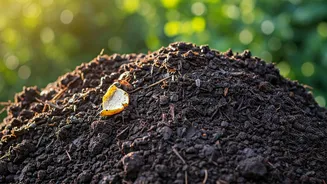
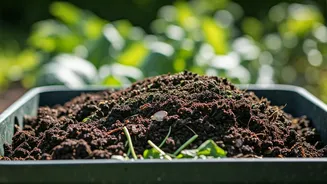
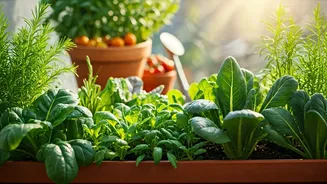
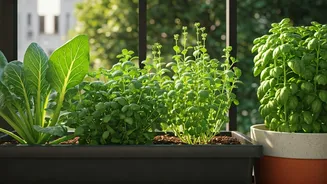
The end product of composting is a dark, crumbly, nutrient-rich material that gardeners fondly call 'black gold'. For the increasing number of young Indians cultivating balcony gardens, this homemade compost is a game-changer. It’s a free, organic alternative to chemical fertilisers, perfect for growing everything from cherry tomatoes and chillies to herbs like mint and basil. The process itself is almost magical: witnessing waste transform into something that can nourish new life. This closes the loop in the food cycle, providing a deep sense of satisfaction and a direct connection to nature, even in a high-rise apartment building. It’s a rewarding hobby that pays off with healthier plants and fresher produce.
Finding Control in a Chaotic World
Modern urban life can often feel overwhelming and disconnected. From supply chain disruptions to concerns about food adulteration, there's a growing desire for self-sufficiency and control over what we consume. Home composting is a direct response to this. It gives individuals a measure of control over their food cycle and waste output. By creating their own soil and potentially growing some of their own food, they are less dependent on external systems. This act of reclaiming a small part of their domestic ecosystem provides a powerful psychological boost. It's a proactive way of building resilience and asserting personal agency in a world where so much feels beyond our influence.
It's Stylish, Modern, and Instagrammable
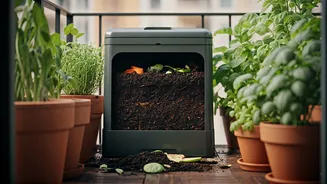
Let’s be honest: composting has had a major image makeover. Gone are the days of smelly, messy piles in the backyard. Today, a new wave of sleek, compact, and odour-free composters are designed specifically for small urban homes and apartments. Brands offer stylish bins that can sit discreetly in a kitchen or on a balcony. Furthermore, social media has played a huge role in popularising the trend. Instagram feeds are filled with aesthetic photos of thriving balcony gardens fed by homemade compost, and Facebook groups offer a vibrant community for beginners to ask questions and share their progress. This online ecosystem provides support, demystifies the process, and makes composting feel like a cool, accessible lifestyle choice rather than a rustic chore.
A Deeper Connection to Food and Wellness
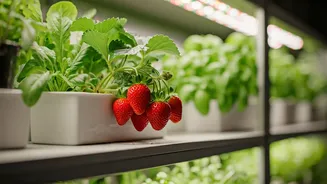
The wellness movement has made young Indians more mindful than ever about what they put into their bodies. This has sparked a huge interest in organic and chemical-free food. Composting fits perfectly into this ethos. When you use your own organic compost to grow vegetables and herbs, you know exactly what’s gone into them. There are no pesticides, no synthetic fertilisers—just pure, natural goodness. This 'farm-to-table' experience, even on a micro scale, fosters a deeper appreciation for food. It makes people more aware of seasonal eating, reduces food waste, and encourages healthier cooking habits. It’s a holistic approach to wellness that starts not on the plate, but in the compost bin.