



The Cooling Power of Raita
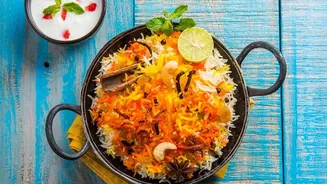
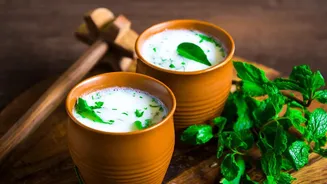
One of the easiest ways to add a new dimension to a rich, spicy meal is with a raita. A yogurt-based condiment, raita provides a cooling contrast that cleanses the palate. The beauty lies in its simplicity and versatility. A classic cucumber raita, with finely
chopped or grated cucumber, is instantly refreshing. For a bit of texture, a Boondi Raita, where tiny fried chickpea flour balls are soaked and added to spiced yogurt, is a beloved choice. You can get creative with seasonal ingredients: grated carrots in winter or pomegranate seeds for a sweet, juicy burst. To prepare, simply whisk plain yogurt until smooth, add your main ingredient, and season with roasted cumin powder, a pinch of salt, and perhaps some finely chopped coriander. It's a five-minute task that instantly makes your meal feel more complete.
Chutneys: The Instant Flavour Boost
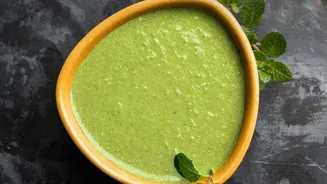
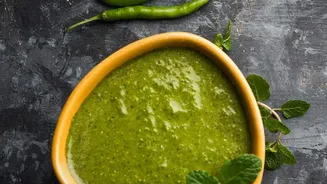
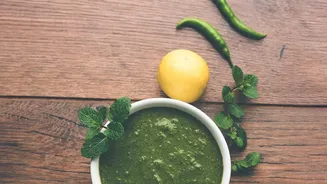
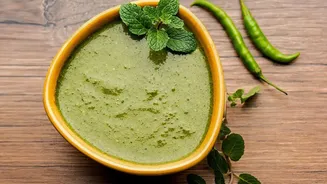
Chutneys are concentrated bursts of flavour that can be made well in advance, saving you precious time during festive preparations. A classic green chutney, made from a blend of coriander and mint, is a staple for a reason. It brings a fresh, zesty kick that cuts through richness. For a sweet and tangy contrast, a tamarind and date chutney (imli chutney) is perfect, especially with fried snacks like samosas or pakoras. If you want something different, a simple onion or tomato chutney can provide a savoury depth that pairs well with everything from dosas to parathas. The strategy is to have at least two chutneys on the table: one spicy and fresh, the other sweet and tangy. This simple duo caters to different palates and complements a wide range of dishes.
Embrace No-Cook Salads
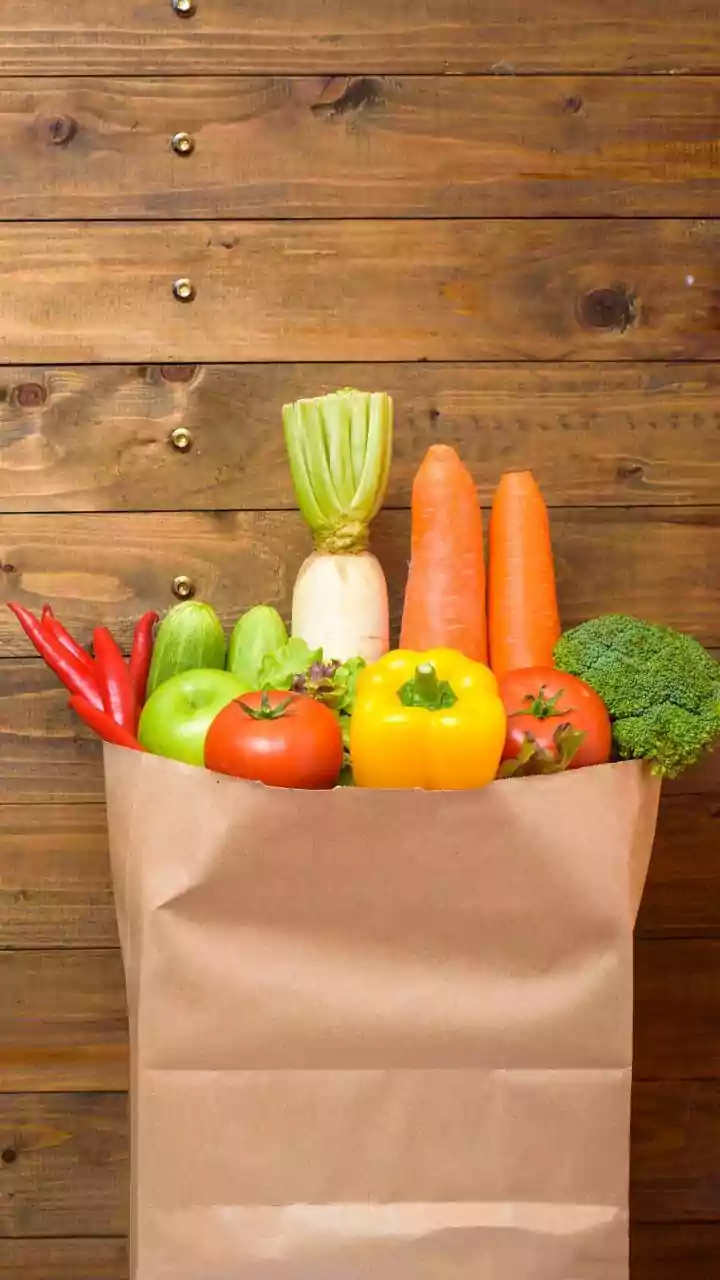
When the stove is busy with main courses, no-cook salads are your best friend. They introduce a much-needed element of freshness and crunch. The most common is the Kachumber salad, a simple mix of finely chopped cucumber, tomato, and onion, dressed with lemon juice and a sprinkle of salt and chaat masala. It’s vibrant, light, and requires zero cooking. Another excellent option is a sprouted moong salad. Toss sprouted lentils with chopped vegetables like cucumber and tomato, and season with lemon juice and spices. These salads not only add texture and colour to the plate but also provide a welcome respite from the heavier, cooked components of the meal, making the entire spread feel more balanced.
Quick-Cook Vegetable Sides
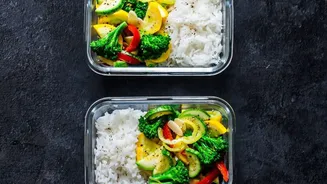
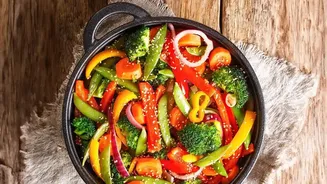
A festive thali feels incomplete without a vegetable side, but it doesn't have to be a complex, slow-cooked curry. Think quick stir-fries (sabzis). Seasonal vegetables are your best bet for flavour and freshness. A simple stir-fry of green beans, carrots, or cauliflower with a basic tempering of mustard seeds and cumin can be prepared in minutes. These 'dry' vegetable dishes add colour and nutrition without competing with the main event. The key is to keep the spices simple—turmeric for colour, cumin for earthiness, and coriander powder for aroma. This approach ensures the vegetable's natural flavour shines through and provides a different texture from the gravies and rice.
The Finishing Touches of Texture
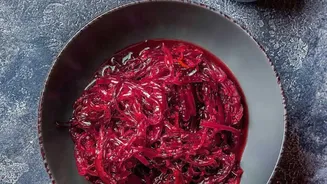
Often overlooked, the final textural elements can make a good meal great. These are the zero-effort additions that provide a satisfying crunch and an extra layer of flavour. Think roasted or fried papads, which are essential accompaniments in many Indian homes. A simple Indian onion salad, known as Laccha Pyaaz, made from thinly sliced onion rings soaked in vinegar with a bit of salt and chilli, adds a sharp, pungent crunch. Even a small bowl of spicy mango or lime pickle can liven up the entire plate. These small details show thoughtfulness and create a multi-sensory dining experience, rounding out the festive meal without adding any real cooking burden.