




How They Magically Create Space
Air extraction bags, also known as vacuum or compression bags, work on a simple but highly effective principle: removing air. Your fluffiest sweater and thickest jacket are composed mostly of trapped air between their fibres. These bags allow you to force
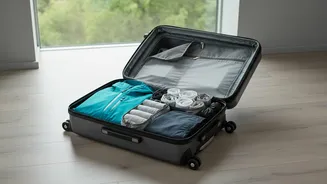
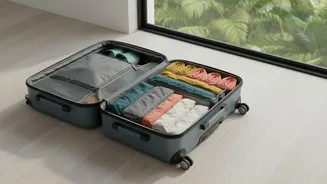
that air out, drastically reducing the item's volume. Once you place your clothes inside and seal the bag, you either roll it tightly to push air out through a one-way valve or use a small pump to suck the air out. The result is a dense, flat package that takes up a fraction of its original space, sometimes shrinking items by over 50%. This allows you to fit much more into your luggage than you could with simple folding or rolling.
The Big Benefits for Travellers
The most obvious advantage is the incredible space-saving capability. For trips that require bulky outerwear, ski gear, or multiple heavy jumpers, these bags can be the difference between checking a bag and fitting everything into a carry-on. Beyond just saving space, they also offer protection. The airtight seal keeps your clothes safe from moisture, spills, dirt, and even odours during transit. This is also useful on the return journey for separating dirty laundry from your clean clothes. Furthermore, they can help with organisation, allowing you to group outfits or types of clothing into separate, compact bundles.
Choosing the Right Bag for Your Trip
There are two primary types of air extraction bags designed for travel. The first is the roll-up bag. These don't require any extra tools; you simply seal the top and roll the bag from the bottom, forcing air out through special one-way valves. Their main advantage is convenience, as you can re-pack them anywhere without needing a pump. The second type is the vacuum bag, which requires a pump to remove the air. Some come with small, manual hand-pumps, while more modern versions feature compact, USB-powered electric pumps. These bags typically achieve a higher level of compression, making them ideal for your bulkiest items, but they do require you to bring the pump along for the return journey.
The Downsides You Must Consider
While they save a lot of space, these bags do not reduce weight. This is the single most important factor to remember. It can be incredibly easy to pack so much that your suitcase exceeds airline weight limits, leading to expensive fees. It's crucial to weigh your bag after packing. The other major drawback is wrinkles. The intense compression flattens clothes and can lead to deep-set creases, especially in natural fibres like cotton and linen. If you're travelling for business or an event that requires crisp attire, compression bags may not be suitable for your dress shirts or blazers. However, for items like jackets, knitwear, and casual clothes, the wrinkles are often less of a concern.
Tips for Packing Like a Pro
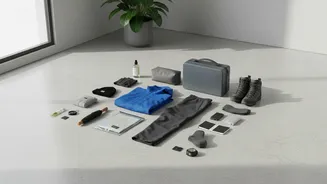
To get the most out of your air extraction bags, a little technique goes a long way. First, fold your clothes as neatly as possible before placing them in the bag to help minimise the most severe wrinkles. Don't overfill the bag; stick to the 'fill line' if one is provided. When placing the compressed bags in your suitcase, distribute them evenly to keep your luggage balanced. It is often wise to use them only for your bulkiest, most difficult-to-pack items, such as a single large parka or a few heavy sweaters, rather than your entire wardrobe. This approach gives you the space-saving benefit where you need it most without risking an overweight fee or a suitcase full of wrinkled clothes.