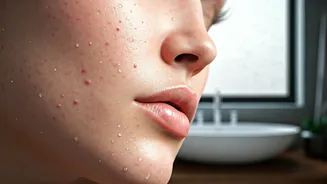









Why Humidity Wreaks Havoc on Skin
When the air is heavy with moisture, it creates a challenging environment for your skin. The high humidity triggers your sebaceous glands to produce more oil, or sebum. This excess oil then mixes with sweat, dirt, and dead skin cells, creating a sticky
film that can easily clog pores. Furthermore, the warm, damp conditions are an ideal breeding ground for acne-causing bacteria. This combination of open pores, excess oil, and bacteria is a perfect storm for developing pimples, blackheads, and even fungal acne. The skin can also become dehydrated on a deeper level, as the surface moisture disrupts its natural barrier, prompting it to produce even more oil to compensate.
Switch to a Gentle, Effective Cleanser
During humid months, it’s tempting to use harsh scrubs to combat the feeling of stickiness, but this can backfire by stripping the skin and triggering more oil production. Instead, consistency is key. Wash your face twice a day with a gentle, oil-free, or gel-based cleanser. This helps to remove the daily build-up of sweat and impurities without compromising your skin's natural moisture barrier. For those particularly prone to breakouts, consider a cleanser formulated with salicylic acid, a beta-hydroxy acid (BHA) that is oil-soluble and can penetrate deep into pores to clear out blockages.
Embrace Lightweight, Non-Comedogenic Hydration
A common mistake in humid weather is skipping moisturiser, believing the skin is already hydrated. However, failing to moisturise can cause your skin to become dehydrated and overcompensate by producing more oil. The solution is not to skip this step, but to switch your product. Heavy creams can trap moisture and clog pores. Opt for lightweight, oil-free, and non-comedogenic formulas that won't block pores. Gel-based or water-based moisturisers are excellent choices as they absorb quickly and provide hydration without a greasy residue. Look for ingredients like hyaluronic acid, which draws moisture into the skin, and glycerin, which helps maintain hydration without feeling heavy.
Incorporate Targeted Actives
To effectively manage rainy-day breakouts, incorporating specific active ingredients into your routine can make a significant difference. Niacinamide, a form of vitamin B3, is a superstar ingredient for humid weather. It helps regulate oil production, reduces inflammation, and strengthens the skin's barrier. Salicylic acid is another essential, known for its ability to exfoliate inside the pores and break down the mix of oil and dead skin cells that leads to acne. Using products with a combination of niacinamide and salicylic acid can be particularly effective, as one soothes and balances while the other deeply cleanses the pores. These ingredients can be found in serums, toners, and spot treatments.
Don’t Let the Clouds Fool You: Sunscreen Is a Must
Even on overcast and rainy days, harmful UV rays can penetrate through the clouds and damage your skin. Sun exposure can also worsen acne inflammation and the dark spots left behind by pimples. For humid weather, the texture of your sunscreen is crucial. Choose a lightweight, non-comedogenic, and oil-free formula to avoid adding extra grease to your skin. Gel or fluid sunscreens with an SPF of 30 or higher are ideal, as they provide broad-spectrum protection without feeling heavy or sticky. Consistent sun protection is a non-negotiable step for maintaining healthy skin year-round.