





What Exactly is a Food Bowl?
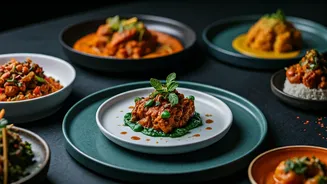
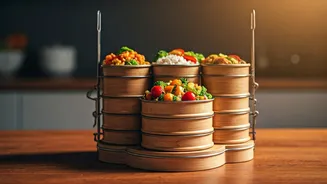
Forget the generic 'rice bowl' of yesteryear. Today’s trending food bowl is a thoughtfully curated, single-serving meal that captures the essence of a specific regional cuisine. Think of it as a thali for one, perfectly portioned and designed for the modern
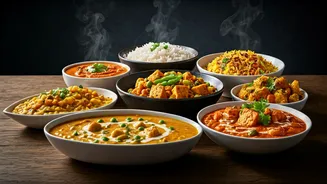
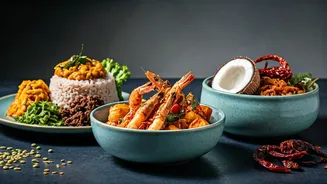
diner. It typically includes a base of grains (like red rice, millets, or a local variant), a primary curry or protein, one or two vegetable preparations (sabzis or poriyals), and perhaps a chutney, pickle, or raita for that extra pop of flavour. It’s a complete, balanced meal that tells a story of a particular place, all neatly contained in one convenient bowl.
The Triple Threat: Convenience, Control, and Curiosity
So, why the sudden surge in popularity? The answer lies in a powerful combination of factors. First and foremost is convenience. In our fast-paced lives, the bowl format is a godsend. It’s easy to order, easy to eat whether at a desk or on a sofa, and eliminates the hassle of juggling multiple containers. Secondly, it offers portion control. For the health-conscious and for single-person households, a pre-portioned bowl is a perfect solution to avoid over-ordering and food waste. Finally, it satisfies our growing culinary curiosity. These bowls act as low-commitment entry points to complex regional cuisines, allowing diners to sample authentic flavours from Nagaland to Kerala without having to order a full feast.
Beyond Butter Chicken and Paneer Tikka
For decades, mainstream 'Indian food' in urban centres was largely dominated by a handful of popular North Indian dishes. But that narrative is changing, and food bowls are leading the charge. This trend reflects a deeper cultural shift—a growing pride in and desire for hyper-local culinary traditions. Diners are no longer content with a standardised menu; they crave authenticity. They want to taste the spicy Chettinad curries of Tamil Nadu, the subtle mustard-infused flavours of a Bengali meal, the rustic simplicity of a Kathiyawadi thali in a bowl, or the coconut-rich gravies of the Malabar coast. These bowls are making the vast, diverse landscape of Indian food more accessible than ever.
A Culinary Map in a Bowl
The beauty of this trend is its sheer diversity. A restaurant in Bengaluru might offer a 'Mangalorean Fish Curry Bowl' with red rice, a tangy fish curry, and a side of thoran. A cloud kitchen in Mumbai could be serving a 'Saoji Mutton Bowl' with millet bhakri, delivering the fiery flavours of Nagpur to your doorstep. From a 'Panta Bhat' inspired bowl from Bengal with fried fish and aloo bhorta to a Himachali 'Madra' bowl with chickpeas and yogurt-based gravy, chefs and home cooks are creatively reinterpreting traditional meals. This isn't fusion; it's a thoughtful repackaging of age-old recipes for a new generation of eaters.
Healthy, Hearty, and Honest
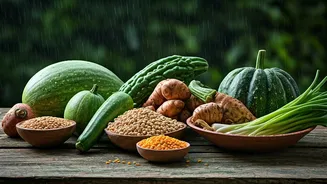
This trend also aligns perfectly with the global wellness movement. Many regional Indian meals are inherently healthy and balanced. They often feature millets, unpolished rice, lentils, seasonal vegetables, and lean proteins, prepared using traditional cooking methods. The bowl format naturally highlights this balance. It’s a far cry from the heavy, cream-laden curries that once defined Indian food for many. This shift represents a return to 'ghhar ka khana' principles—wholesome, nutritious, and made with real ingredients. It proves that healthy eating doesn't have to be boring or bland; it can be as rich and varied as India itself.