

The Plant-Based Iron Challenge
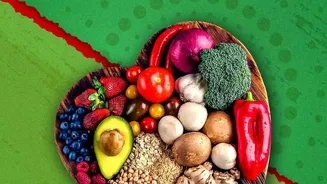
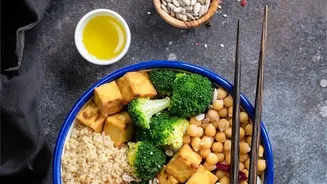
Iron is a crucial mineral that our bodies need for energy, growth, and transporting oxygen in our blood. While many people associate iron with red meat, plant-based foods like lentils, beans, spinach, and tofu are also excellent sources. However, there's
a key difference. Iron from animal sources is called 'heme' iron, which our bodies absorb quite easily. Iron from plants, known as 'non-heme' iron, is a bit trickier for our bodies to use. Its absorption rate is naturally lower, which means that even if a plant-based meal is high in iron, your body might only be able to access a small fraction of it. This is a primary reason why those following vegetarian or vegan diets are advised to be strategic about their iron intake.
Vitamin C: Your Body's Iron Booster
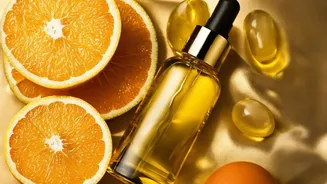
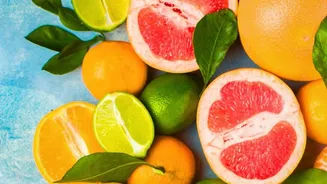
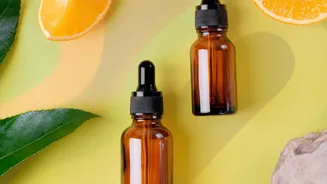
This is where Vitamin C comes to the rescue. Think of it as the key that unlocks the full potential of plant-based iron. When you consume Vitamin C (also known as ascorbic acid) along with a source of non-heme iron, it triggers a chemical reaction in your gut. Vitamin C converts the plant-based iron into a form that is much more soluble and easier for your intestinal cells to absorb into the bloodstream. Studies have shown that this effect is significant. Adding Vitamin C to a meal can increase non-heme iron absorption by two to three times, and in some cases, even more. The headline's claim of 'doubling' the bioavailability is well within the realm of scientific findings, making this one of the most effective natural strategies to enhance iron levels. The more Vitamin C present in the meal, the greater the enhancement of iron absorption.
Power-Up Your Plate: Perfect Pairings for an Indian Diet
Integrating this nutritional wisdom into your daily meals is simple and delicious. The Indian diet is already rich with opportunities for these powerful combinations. Here are some easy-to-implement ideas: Squeeze Lemon on Everything: A generous squeeze of lemon or lime over your dal, sabzi, or bean salad is perhaps the easiest way to add a potent dose of Vitamin C. Pair Dal with Tomatoes: Cooking lentils and beans like chana or rajma with tomatoes not only adds flavour but also ensures the iron from the pulses is better absorbed, thanks to the Vitamin C in the tomatoes. Spinach and Amla Salad: Spinach (palak) is a classic iron-rich green. Instead of a creamy dressing, try a zesty one made with amla (Indian gooseberry) juice. Amla is one of the most concentrated sources of Vitamin C available. Chickpea and Bell Pepper Stir-fry: A colourful stir-fry or salad with chickpeas (chana) and vibrant red and yellow capsicums is another powerful duo. Bell peppers are packed with Vitamin C. Enjoy a Guava After Your Meal: Instead of a heavy dessert, have a fresh guava. This fruit contains significantly more Vitamin C than an orange and can help your body absorb the iron from the meal you just ate.
Watch Out for Iron Blockers
Just as some foods enhance iron absorption, others can hinder it. The main culprits are compounds called phytates (found in whole grains and legumes) and polyphenols/tannins (found in tea and coffee). Calcium can also interfere with iron absorption. This doesn't mean you should avoid these foods, but rather be mindful of timing. For instance, try to avoid drinking your morning chai or coffee with your iron-fortified breakfast. Soaking, sprouting, or fermenting legumes and grains can also help reduce their phytate content, making the iron more available. By waiting about an hour after an iron-rich meal to have your tea, you give your body a better window to absorb the essential mineral.