




The Problem with Today’s Batteries
Most electric scooters today run on lithium-ion batteries, the same technology that powers our smartphones and laptops. These batteries pack a lot of energy into a small space but have a critical vulnerability: they use a liquid electrolyte. This liquid is flammable.
If the battery is damaged, overcharged, or subjected to India's extreme summer heat, it can lead to a dangerous chain reaction called 'thermal runaway'. This process can cause the battery to overheat, catch fire, or even explode. Beyond the safety concerns, the high cost of lithium-ion batteries, partly driven by materials like cobalt, remains a significant barrier for many would-be scooter owners. These issues of safety and affordability are major roadblocks to wider EV adoption in the country.
What Is a Solid-State Battery?
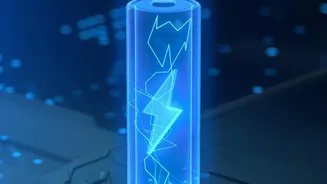
Enter the solid-state battery, a technology that fundamentally redesigns the battery from the inside out. The name says it all: it replaces the flammable liquid electrolyte with a solid material, often a specialised ceramic, glass, or polymer. This single, crucial change eliminates the primary fuel for a battery fire. Think of it as removing the most volatile ingredient from the recipe. This solid electrolyte acts as a stable, non-combustible barrier between the battery's positive and negative ends, which has a cascading effect on safety, performance, and even how the battery is built.
A Fundamental Leap in Safety
The key safety advantage of solid-state technology is its resistance to thermal runaway. Since the solid electrolyte is not flammable, the risk of fire is virtually eliminated. You could theoretically puncture or crush a solid-state cell without it bursting into flames. Furthermore, the solid structure is incredibly effective at preventing the growth of 'dendrites'—tiny, needle-like formations that can cause short circuits in liquid-based batteries, another common trigger for fires. This inherent stability means the batteries are safer and more resilient to physical damage and high temperatures, a crucial factor for Indian road and weather conditions.
Tackling the Cost Barrier
While the headline promise is lower costs, the reality is nuanced. Initially, solid-state batteries are more expensive to produce due to complex manufacturing processes and a lack of scale. However, the long-term potential for cost reduction is significant. This technology may allow for the use of more abundant and cheaper materials, reducing reliance on expensive and ethically challenging metals. As manufacturing techniques mature and scale up, experts project that the cost could fall dramatically. Furthermore, because they don't require the complex cooling and safety systems that current lithium-ion packs need, the overall vehicle cost could also decrease.
More Than Just Safe and Affordable
The benefits of solid-state technology extend beyond just safety and cost. They have a higher energy density, meaning they can store more power in the same amount of space. For a scooter rider, this could translate to a 50-80% increase in range, effectively curing 'range anxiety'. They also promise much faster charging times. While a current scooter might take hours to charge, a solid-state battery could potentially reach a full charge in under 30 minutes. They also have a longer lifespan, able to withstand more charge and discharge cycles before degrading.
The Road Ahead in India
So, when can you buy a scooter with a solid-state battery? The technology is accelerating, but it's not here just yet. Major global players are targeting 2027-2028 for mass production in cars, with scooter applications expected to follow. In India, the momentum is building. Companies like Vikram Solar have announced plans for solid-state battery manufacturing facilities. Research institutions like IIT Roorkee are also making significant advances in the field, sometimes in partnership with local startups. While the first models will likely be premium offerings, this next-generation technology holds the key to making electric scooters a truly safe, affordable, and practical choice for the masses, aligning perfectly with India's ambitious clean energy goals.