

The End of the Showroom Look
There was a time when buying furniture felt like purchasing a uniform. You would select a style, pick a colour, and buy the entire five-piece collection from the same showroom catalogue. The result was a space that was presentable and predictable, but
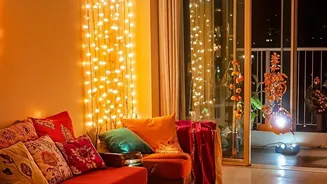
often lacked a soul. It was designed to impress visitors, but it rarely told a story about the people who lived there. This approach, prioritising a flawless, staged appearance over personal expression, has started to feel outdated and impersonal for a growing number of Indian homeowners. The new direction is warmer, more personal, and tactile, favouring homes that feel lived-in rather than staged.
A Shift Towards Personal Storytelling
Today, the focus is shifting from perfection to personality. Instead of a room where everything matches, designers and homeowners are creating spaces that look assembled over time. The goal is to curate a home that is a collection of memories, travels, and heirlooms. A modern sofa might sit next to a grandmother's antique wooden chest, or a sleek, contemporary lamp could illuminate a traditional brass artifact. According to designer Purva Gokhale, this reflects a move away from rigid design rules and towards interiors that mirror individual personalities, after a decade dominated by thematic interiors with little room for a personal touch. The home is becoming a canvas for self-expression, where every object has a story.
Why Now? Confidence, Culture, and Curation
This trend isn't happening in a vacuum. It is deeply connected to a broader cultural shift in India. There is a newfound confidence in expressing individuality, moving beyond borrowed Western aesthetics like stark minimalism to embrace a style that feels more authentic. Many designers argue that maximalism and eclecticism are India's natural design instincts, reflecting the complexity and vibrancy of our food, festivals, and traditions. This movement is about celebrating layers, colours, and a 'curated abundance' rather than clutter. It's a joyful rebellion against the beige box, allowing homes to reflect memories, beliefs, and travels. The rise of platforms like Pinterest and Instagram has also empowered homeowners, giving them the visual language and confidence to mix, match, and experiment.
The Art of the Mix
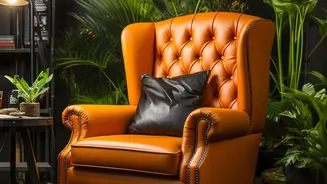
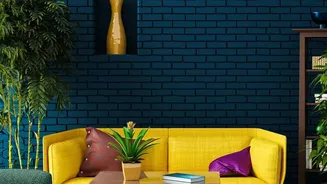
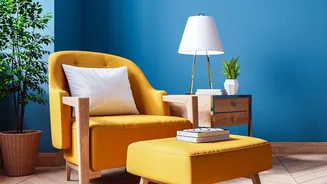
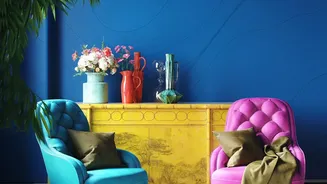
Embracing this eclectic style doesn't mean creating chaos. The secret to a successful mixed-and-matched interior is finding a common thread to create harmony. This unifying element could be a consistent colour palette, a repeated texture, or a material that appears in different forms across the room. For instance, a vintage armchair and a modern sofa can coexist beautifully if they share a similar colour family. An antique 'jharokha' mirror can be paired with an industrial console table if they are linked by a common metallic accent. The furniture doesn't need to match perfectly; it just needs to feel like it's part of the same conversation.
Embracing Imperfection and Heritage
At the heart of this trend is an appreciation for things with history and character. Reclaimed wood from old 'havelis', handcrafted details, and inherited pieces are gaining preference over factory-finished laminates. This approach is not only aesthetically interesting but also more sustainable, as it encourages restoring and repurposing existing furniture instead of constant replacement. Homeowners are displaying cherished items like travel souvenirs, vintage finds, and family heirlooms, which add sentimental value and contribute to the home's unique charm. This philosophy, sometimes linked to concepts like 'wabi-sabi' which finds beauty in imperfection, is about creating a sanctuary that is emotionally resonant, deeply personal, and tells a story of a life well-lived.