







Our Growing Garbage Mountains
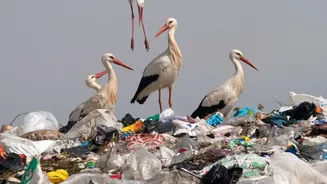
Across India, cities are grappling with a colossal problem: where to put the massive amounts of waste we generate daily. India produces over 1,60,000 tonnes of municipal solid waste every day. Much of this, an estimated 70% or more, is simply dumped in landfills.
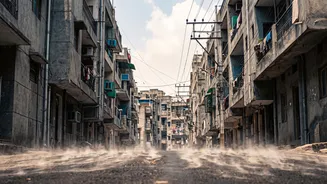
These are not just passive dumpsites; they are active chemical reactors. Landfills like those in Ghazipur and Deonar have exceeded their capacity, becoming infamous for fires, toxic runoff (leachate) that poisons groundwater, and the release of methane, a greenhouse gas far more potent than carbon dioxide. This practice of 'collect, transport, and dump' merely shifts the problem from our streets to the urban fringe, creating a slow-moving environmental disaster.
Understanding Wet vs. Dry Waste
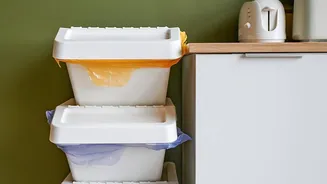
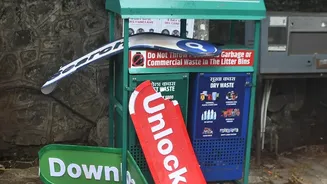
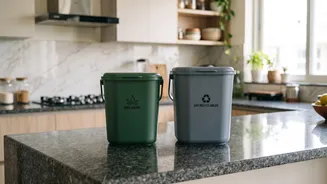
The key to dismantling this crisis lies in a simple concept mandated by India's Solid Waste Management Rules, 2016: source segregation. This means separating our waste into two main categories right at home. Wet waste is anything that can biodegrade. Think kitchen scraps: vegetable peels, leftover food, fruit skins, eggshells, and garden clippings. On average, this organic matter makes up a staggering 50-60% of the trash from an Indian household. Dry waste is the non-biodegradable portion. This includes items like plastic bottles, paper, cardboard, glass, and metal. While sanitary waste like diapers and pads is also dry, it should be wrapped separately for safe handling.
The Power of Sorting: What Happens to Wet Waste?
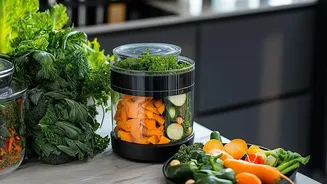
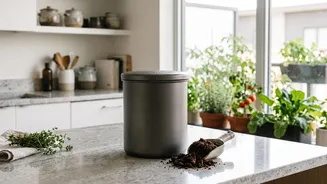
When wet waste is collected separately, it becomes a valuable resource. Instead of rotting in a landfill and producing harmful methane, it can be composted. Composting is a natural process that turns organic scraps into nutrient-rich manure. This 'black gold' can then be used to enrich soil in gardens, farms, and public parks, reducing the need for chemical fertilizers and improving soil's ability to retain water. Many cities and residential societies are now setting up decentralised composting units to manage wet waste locally, which cuts down on transportation costs and landfill burden. By simply putting your food scraps in a separate bin, you are diverting more than half your household waste from the landfill and turning it into a resource.
The Power of Sorting: What Happens to Dry Waste?
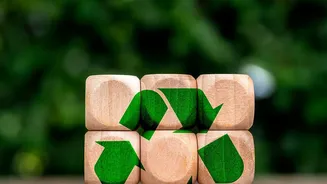
Dry waste is the heart of the recycling economy. Paper, glass, metal, and many types of plastic have significant value and can be turned into new products, saving raw materials, energy, and water. However, the recycling process is easily derailed by contamination. When dry materials are mixed with wet food waste, they become soiled and difficult, if not impossible, to process. A greasy pizza box or a plastic bottle with leftover food inside is often rejected by recyclers and sent to the landfill. By keeping your dry waste clean and separate, you ensure that these valuable materials can actually be recovered and re-enter the economy, a key principle of a circular economy.
Why Mixed Waste is a Recipe for Disaster
When wet and dry waste are thrown into a single bin, they create a contaminated mess that is virtually useless. Valuable recyclables are spoiled. Organic matter that could have become compost is instead trapped in a mountain of plastic and other debris, where it decomposes without oxygen and spews methane. The resulting toxic liquid, or leachate, seeps into the earth, contaminating soil and groundwater for decades. Trying to separate this mixed garbage at a large facility is expensive, inefficient, and often relies on manual sorting in hazardous conditions. In short, unsegregated waste has almost no value and is destined to become a long-term environmental burden.