



The Iron-Clad Connection
When we talk about nutrient absorption from plant-based foods, the conversation often centres on iron. There are two types of dietary iron: heme, found in animal products, and non-heme, found in plants. Heme iron is readily absorbed by the body, but non-heme iron,
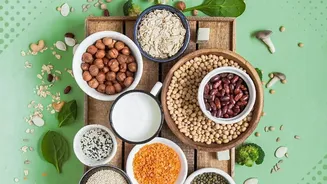
which makes up the entirety of iron from plant sources like lentils, beans, tofu, and spinach, is a bit trickier for our bodies to use. Its absorption rate is lower and can be hindered by compounds called phytates and polyphenols, which are naturally present in grains, legumes, and even tea and coffee. This is why simply eating iron-rich plants isn't the whole story; ensuring your body can effectively access that iron is the key to unlocking their full nutritional power.
Vitamin C to the Rescue
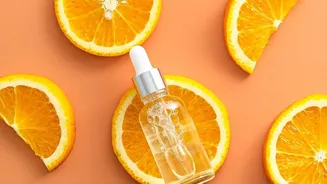
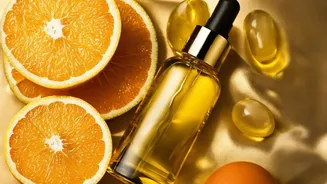
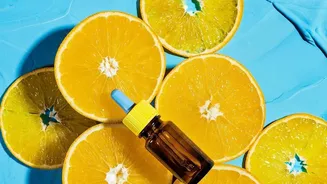
This is where vitamin C, or ascorbic acid, plays a starring role. Think of it as a key that unlocks non-heme iron. Scientifically, vitamin C works its magic in two main ways. First, it converts non-heme iron from its ferric (Fe3+) state into the more soluble ferrous (Fe2+) state, which is the form our intestines can easily absorb. Second, it forms a protective, soluble complex with the iron, shielding it from the effects of absorption-inhibiting substances like phytates. The effect isn't just minor; studies show that adding vitamin C to a meal can increase non-heme iron absorption several times over. Some research suggests the boost can be as much as six-fold, making the non-heme iron in your meal as bioavailable as the heme iron from meat. This is the “supercharge” effect in action—a simple, natural way to dramatically increase your nutrient uptake.
Delicious Duos for Your Daily Meals
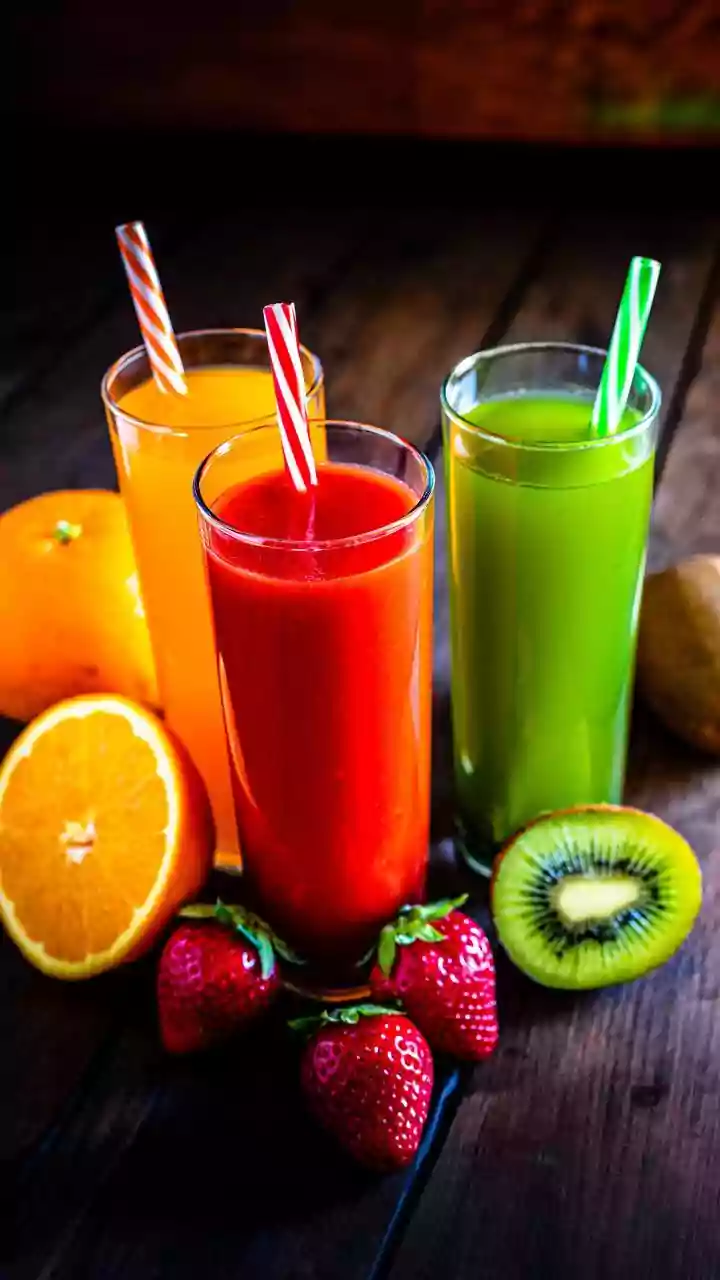
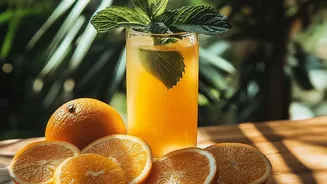
Putting this science into practice is both easy and delicious. The goal is to combine a good source of plant-based iron with an ingredient rich in vitamin C in the same meal. The possibilities are nearly endless and can be incorporated into breakfast, lunch, and dinner. For a powerful start to your day, try iron-fortified oatmeal topped with fresh strawberries or a handful of pumpkin seeds with a glass of orange juice. For lunch, a salad made with a base of spinach (a source of iron) becomes far more effective with the addition of bell peppers, tomatoes, and a lemon-based vinaigrette. Black beans, another iron powerhouse, can be used in a stir-fry with broccoli and red bell peppers, both of which are excellent sources of vitamin C. A hearty lentil soup, rich in plant protein and iron, gets a major absorption boost from a simple squeeze of fresh lemon or lime juice just before serving.
More Powerful Plant Pairings
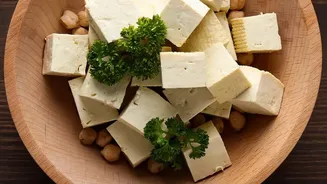
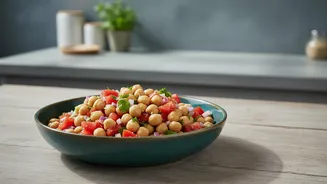
The synergy doesn't stop there. Tofu scrambles are a classic for a reason; crumbling firm tofu (iron) and sautéing it with tomatoes and bell peppers (vitamin C) creates a nutrient-dense meal. Even snacks can be optimized. Consider pairing a handful of cashews with a kiwi or some dried apricots with orange slices. A popular and effective combination in many cuisines is hummus (made from chickpeas, which contain iron) served with slices of red bell pepper for dipping. For a more complex dish, a Buddha bowl with a quinoa base, roasted chickpeas, sweet potato, and a lemon-tahini dressing combines multiple sources of iron with vitamins A and C, which both aid absorption. The simple act of being mindful of these combinations transforms your meals from just food into a highly effective nutrient delivery system.
What to Keep in Mind
To truly maximize your iron absorption, it’s also helpful to know what to avoid. Tannins, found in coffee and black tea, are potent iron inhibitors. Try to enjoy your daily coffee or tea at least an hour or two before or after your iron-rich meals rather than with them. Similarly, while calcium is an essential mineral, high doses from dairy products or supplements can interfere with iron absorption when consumed at the same time. It's not about eliminating these items, but rather about timing them strategically to give your body the best possible chance to absorb the iron from your plant-based meals. By being mindful of not only what you add but also when you consume other foods and drinks, you can take your nutrient strategy to the next level.