





The Great Monsoon Migration
While cities across the plains and coasts embrace (or endure) the annual rainy season, a growing number of Indian travellers are packing their bags and heading north. Their destination? The cold, arid landscapes of the trans-Himalayan region. Areas like
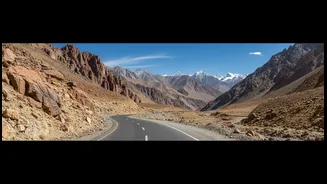
Ladakh, and the Lahaul and Spiti valleys in Himachal Pradesh, traditionally seen as summer adventure spots, are now experiencing a significant tourism boom right in the middle of the monsoon months. This isn't about enjoying the rain; it's about escaping it. Travellers are swapping grey skies and humidity for the crisp air and brilliant sunshine of these unique high-altitude deserts, transforming the conventional Indian travel calendar.
The Rain Shadow Advantage
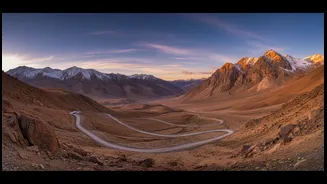
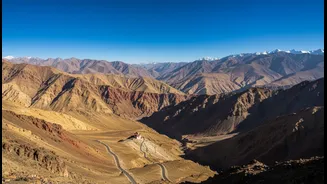
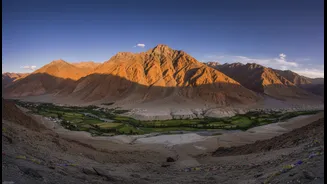
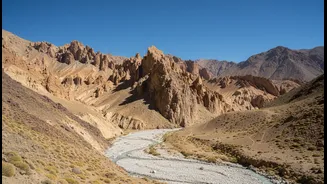
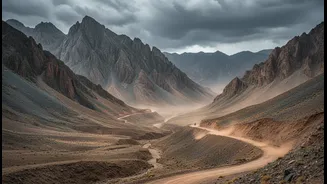
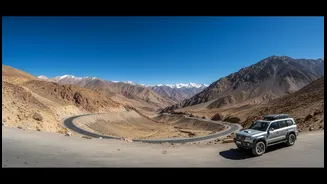
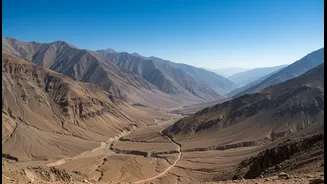
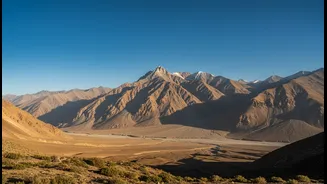
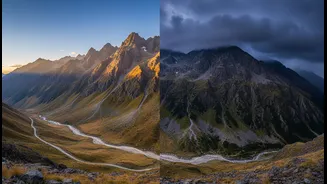
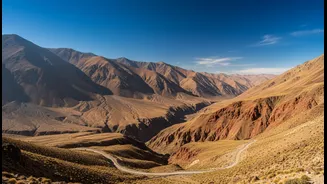
The secret to this phenomenon lies in geography. These regions lie in a 'rain shadow', a term for areas that receive very little rainfall because they are sheltered by high mountain ranges. The towering Pir Panjal and Great Himalayan ranges act as a massive barrier, preventing the moisture-laden monsoon clouds from reaching places like Ladakh and Spiti. The result is a landscape that remains strikingly arid and sunny even as other parts of the country receive heavy downpours. This unique climatic feature makes them perfect for trekking, road trips, and sightseeing when outdoor activities are difficult elsewhere, offering clear skies and accessible routes for adventurers.
More Than Just Good Weather
The surge in visitors isn't solely due to the dry climate. Greatly improved infrastructure has played a pivotal role. The inauguration of the Atal Tunnel in 2020 has been a game-changer, providing year-round access to the Lahaul valley and dramatically cutting down travel time from Manali. What was once a gruelling multi-hour journey over the treacherous Rohtang Pass is now a short drive, making the region far more accessible to a wider range of tourists, not just hardcore adventurers. This improved connectivity, coupled with a post-pandemic desire for open spaces and the flexibility of remote work, has created the perfect conditions for a tourism boom. Travellers now include families, couples, and 'workationers' looking to swap their home office for a mountain view.
A Double-Edged Sword for Locals
For the local communities in these historically remote regions, the influx of tourists is both a blessing and a challenge. The economic benefits are undeniable, with homestays, cafes, taxi services, and local guides seeing a surge in business and income. However, this rapid growth is putting immense pressure on the fragile Himalayan ecosystem. Concerns are growing over waste management, water scarcity, and the strain on limited local resources. Haphazard construction and an increase in traffic are visible signs of the stress. Local communities and authorities face the difficult task of balancing the newfound economic opportunities with the urgent need to protect their unique environment and cultural heritage for the long term.
The Future of Himalayan Travel
This monsoon migration to the rain-shadow regions reflects a broader shift in Indian travel habits. There's a clear move away from conventional holiday seasons and destinations towards experience-led and offbeat travel. Tourists are actively seeking out unique landscapes and personal interests over traditional vacation spots. As this trend continues, the focus must shift towards sustainability. Responsible tourism practices — such as respecting local culture, minimizing waste, and conserving resources — are no longer optional but essential. For travellers planning a trip, this means being mindful of their impact and supporting community-based initiatives that promote sustainable growth.