

Choose the Right Container
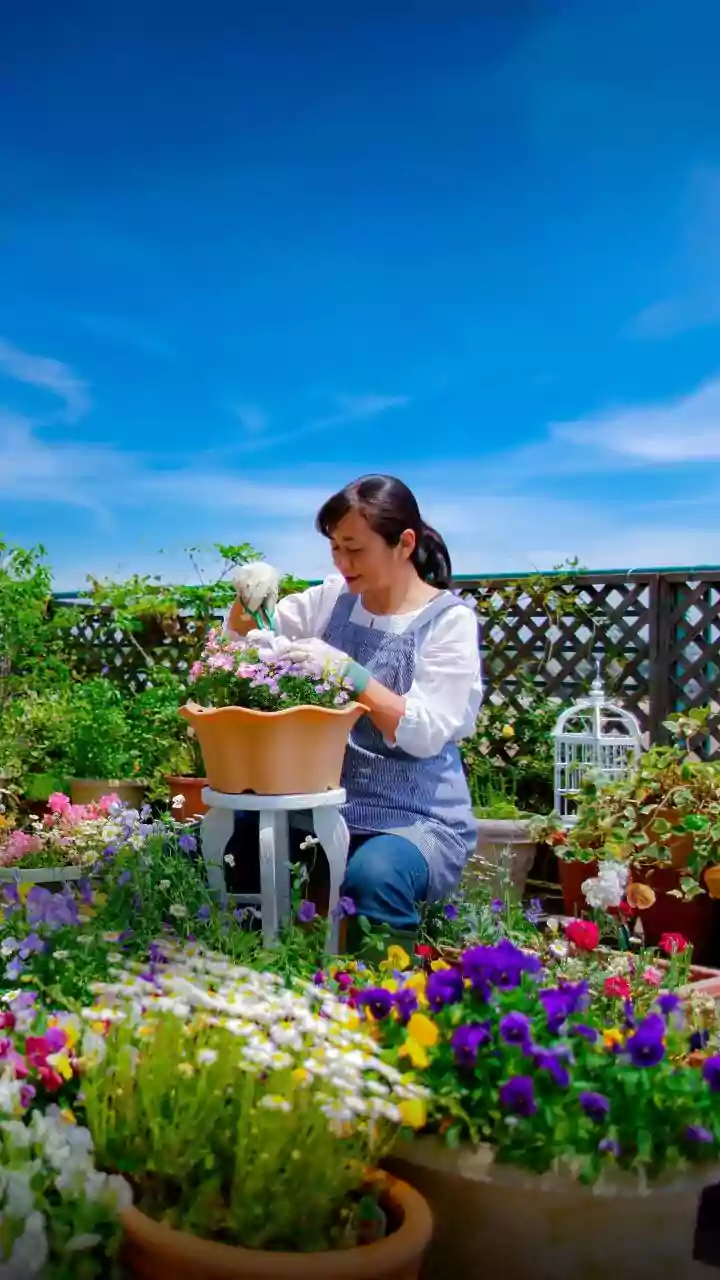
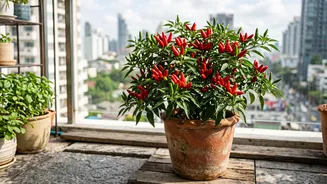
Before you even think about soil, your chilli plant needs a proper home. Thai chillies are compact plants, but their roots need space to thrive. A pot that is at least 5 gallons (around 10-12 inches in diameter) is ideal for a single plant. This size
provides enough room for root development, which directly translates to a healthier plant and a better harvest. You can start with smaller pots for seedlings, but be prepared to transplant them. When choosing a pot, drainage is non-negotiable. Ensure your container has plenty of holes at the bottom. Chillies despise 'wet feet', and roots sitting in stagnant water can quickly lead to rot and other diseases. Both plastic and terracotta pots work well, though plastic pots retain moisture longer, which can be useful in hotter climates.
The Perfect Potting Mix Formula
This is where the magic happens. While you can buy pre-made potting mixes, creating your own is simple, cost-effective, and gives you complete control over what your plants grow in. Garden soil from your backyard is not suitable, as it compacts easily in pots, choking roots and preventing proper drainage. A great, simple mix for Thai chillies follows a basic formula: 50% base, 25% organic matter, and 25% drainage material. For the base, use a high-quality, peat-free multi-purpose compost. For organic matter, add well-rotted manure or worm castings; this provides a slow release of essential nutrients. The final, crucial component is for drainage. Mix in perlite or vermiculite. Perlite, a type of volcanic glass, creates air pockets for root aeration, while vermiculite is excellent at retaining moisture without becoming waterlogged. A combination of both is often ideal.
Planting Your Chilli Seedlings
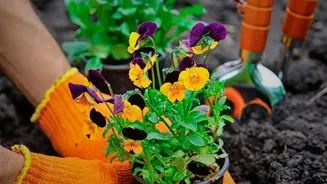
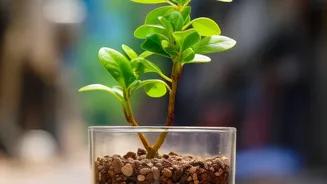
Whether you have grown your chillies from seed or purchased young plants, the transplanting process is key. Start by filling your chosen pot with your freshly prepared potting mix. Moisten the mix slightly before you begin. Create a hole in the centre of the mix that is roughly the same size as the seedling's current root ball. Gently remove the young plant from its starter pot, being careful not to disturb the roots too much. Place it in the hole, ensuring the top of its root ball is level with the surrounding soil. You can plant the stem a little deeper than it was before, as chillies can grow new roots from the buried portion of the stem. Backfill the hole, gently firming the soil around the plant. Water it well to settle the soil and eliminate air pockets.
Sunlight, Water, and Food
Thai chillies are sun-worshippers. They need at least six hours of direct, bright sunlight every day to produce a generous crop. A sunny balcony, patio, or south-facing windowsill is a perfect spot. When it comes to watering, consistency is more important than volume. Let the top inch of the soil dry out before watering again. A simple way to check is to stick your finger into the soil; if it feels dry at your knuckle, it's time to water. Water deeply until you see it running out of the drainage holes, then let it drain completely. Overwatering is a common mistake that can be fatal to the plant. As for feeding, your homemade compost will provide initial nutrients. Once the plant starts to set fruit (when you see tiny chillies forming), you can begin feeding it every couple of weeks with a balanced liquid fertiliser that is rich in potassium.
Harvesting Your Homegrown Heat
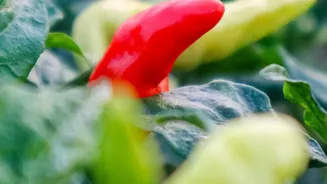
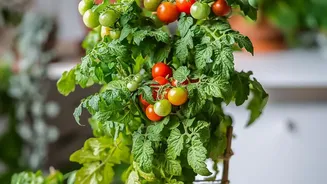
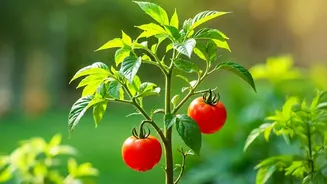
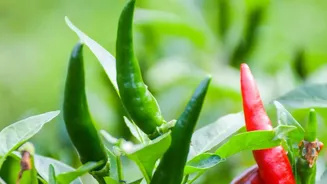
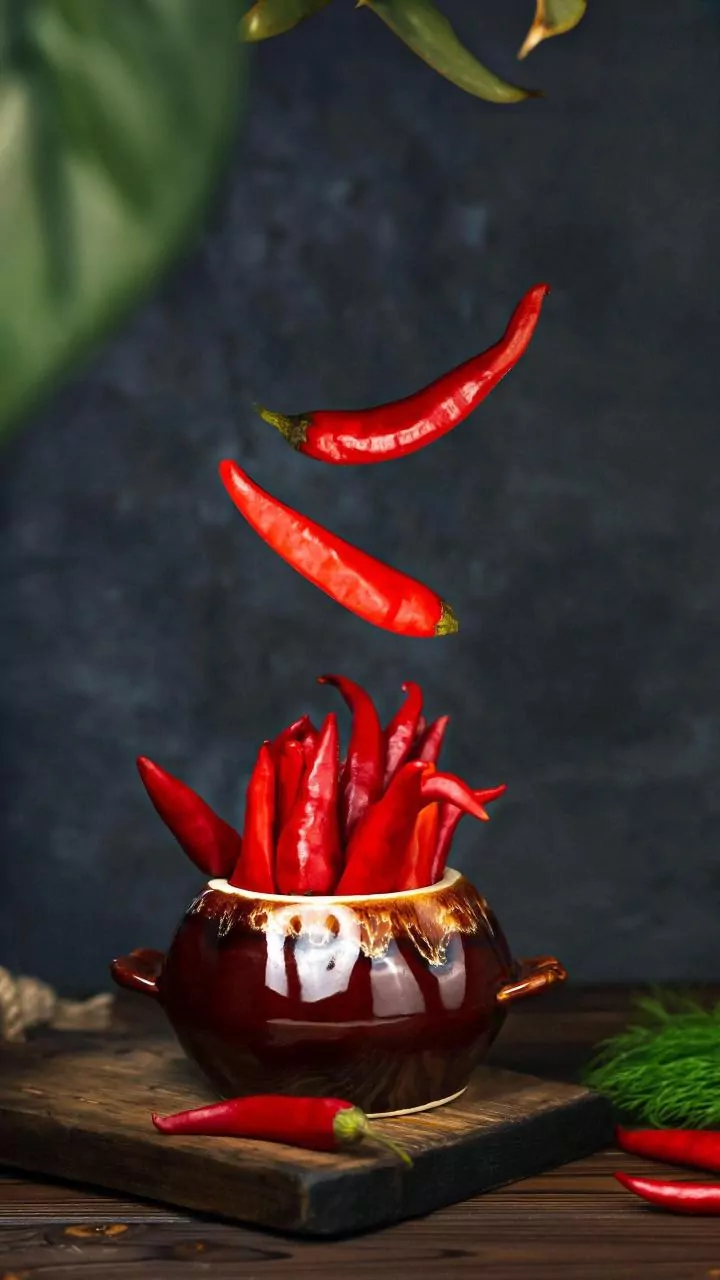
After a growing season of around 100 days, you will be rewarded with an abundance of chillies. You can harvest them when they are green, but for the best flavour and maximum heat, wait until they turn a vibrant red. To harvest, don't just pull the chillies off the plant, as this can damage the branches. Instead, use a pair of scissors or sharp snips to cut the stem, leaving a small piece attached to the chilli. Regular harvesting encourages the plant to produce more flowers and, consequently, more fruit. A single healthy plant can provide you with dozens of chillies throughout the season. Any surplus can be easily dried or frozen, ensuring you have a supply of homegrown spice all year round.