






The Feed We Lost and The One We Got
In the early days of social media, your feed was a straightforward, reverse-chronological list of posts from the accounts you followed. Newest content appeared at the top. It was simple and transparent. Today, most major platforms use algorithmic feeds.
These are complex systems that rank and prioritize content based on what they predict you'll find most engaging. The goal is to keep you scrolling longer by showing you posts that are popular, similar to content you've liked before, or from accounts you interact with frequently. This shift from a simple list to a highly curated experience was a business decision, designed to maximize user time on the platform and, consequently, ad revenue.
The Hidden Costs of Algorithmic Curation
While platforms argue that algorithms show you more relevant content, the downsides have become increasingly apparent. These systems can create “filter bubbles” or “echo chambers,” where you are only exposed to content that reinforces your existing beliefs. Studies and internal documents from companies like Meta have shown that algorithms can negatively impact mental health, particularly among younger users, by intensifying social comparison and diminishing self-worth. The constant push for engagement can also amplify sensational, extreme, or harmful content because it generates strong reactions. Many users feel a loss of control, as if their feeds are no longer their own but rather a stream of content designed to be addictive. Continuous scrolling and a barrage of notifications are persuasive technologies intended to capture and hold our attention for as long as possible.
Why the Backlash is Happening Now
The conversation around algorithmic control has reached a tipping point. There's a growing sense of "algorithmic fatigue" among users who are tired of the noise and lack of transparency. This is happening alongside increased regulatory scrutiny. In Europe, the Digital Services Act (DSA), which became fully effective in 2024, is forcing major platforms like Meta and TikTok to provide more transparency and give users the option to opt out of personalized recommendation systems. Just this month, on July 10, 2026, the European Commission preliminarily found Meta in breach of the DSA over the addictive design of Facebook and Instagram, targeting features like infinite scroll and personalized recommender systems. This regulatory pressure, combined with public demand, is forcing a change.
Reclaiming Your Timeline
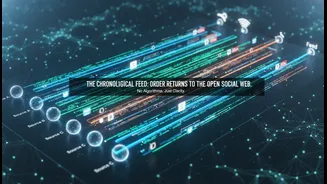
The good news is that platforms are starting to respond, albeit slowly. Many major social networks now offer a chronological feed option, though it's often hidden in the settings and may reset to the algorithmic default. On Instagram, for example, you can tap the logo and select “Following.” On X (formerly Twitter), you can toggle to the “Following” tab. Facebook offers a “Feeds” tab with a “Most Recent” option. Choosing to use these features is an act of digital agency. It allows you to see everything from the accounts you've chosen to follow, reducing the influence of an algorithm designed for engagement rather than your well-being. New apps are also emerging, like the recently launched HyperTexting, that use old technology like RSS to create entirely algorithm-free feeds from across the web.