



The Forest of the Dang
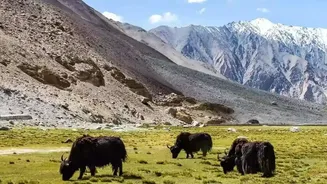
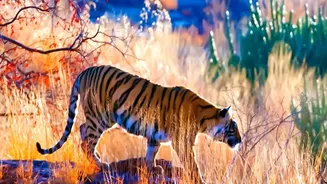
The Karauli region, part of which falls within the Dholpur-Karauli Tiger Reserve, is a mosaic of dry deciduous forests, ravines, and grasslands. Dominated by dhok, khair, and palash trees, this landscape is a critical habitat for a diverse range of wildlife.
The 'Dang' refers to the hilly, rugged terrain that characterises this part of eastern Rajasthan. Unlike the more famous deserts of the state, this area is defined by its forest cover and the Chambal river, which nourishes a unique ecosystem. It is in this specific environment, within areas like the Keladevi Wildlife Sanctuary, that a special botanical treasure thrives, often protected within sacred groves venerated by local communities. These forests are not just wilderness; they are a living cultural and natural heritage, home to indigenous communities whose lives are intricately linked to the forest's cycles.
The Star of the Season: Wild Beri
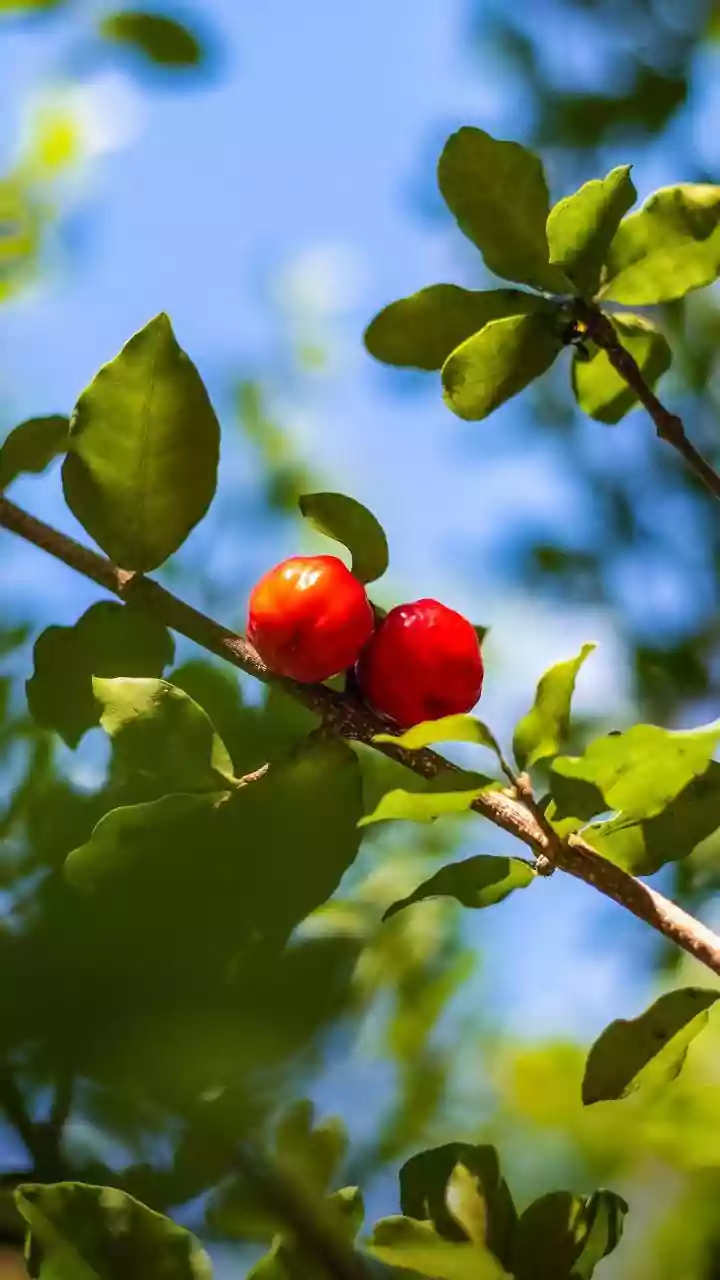
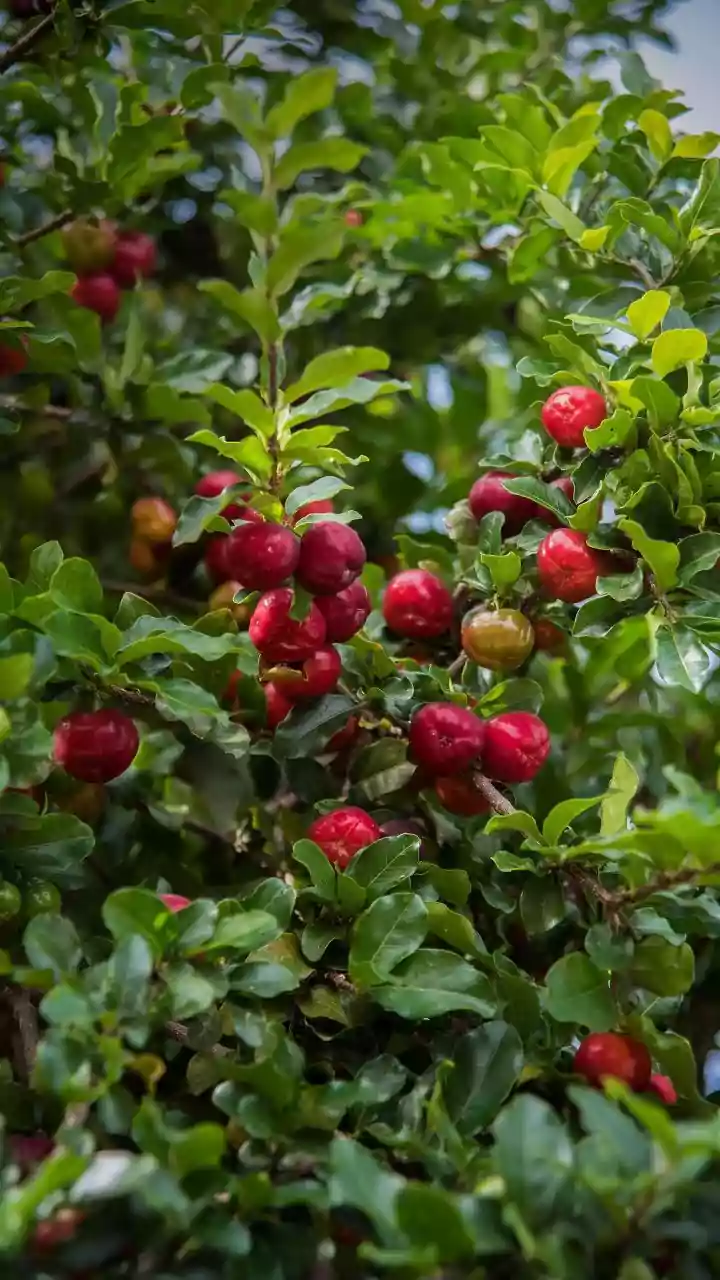
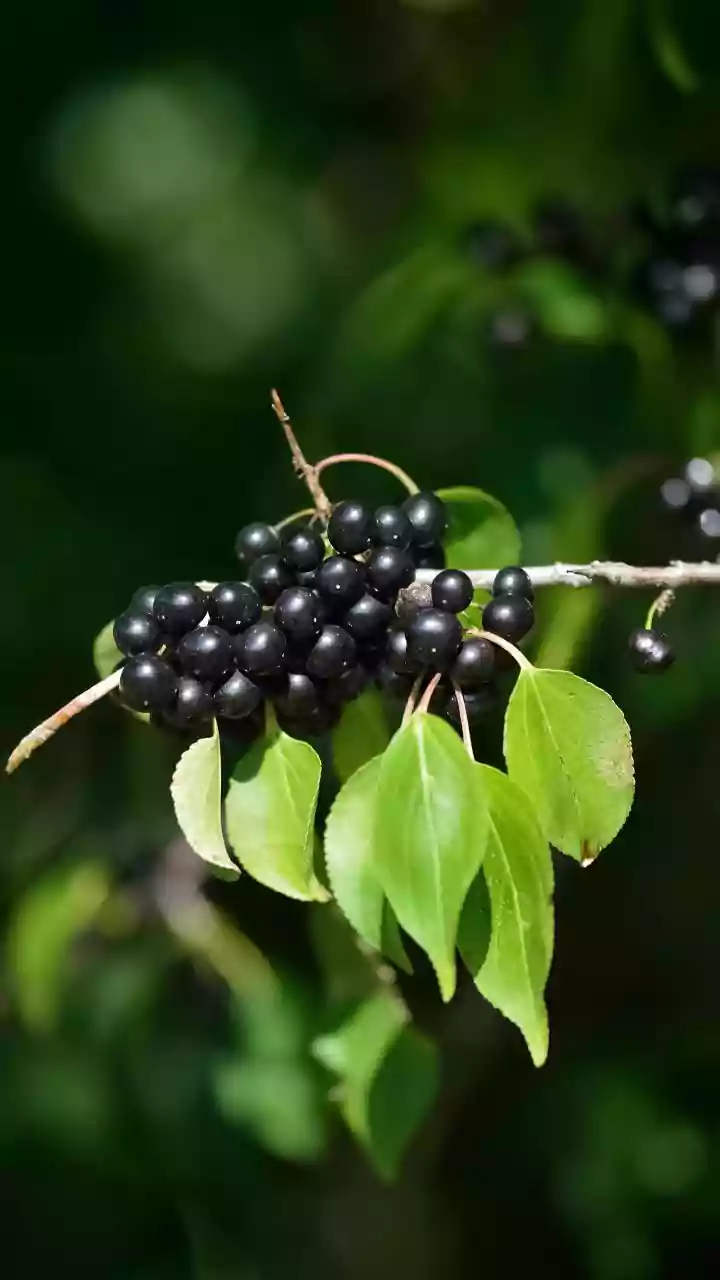
The fruit at the heart of this tradition is the wild beri (Ziziphus mauritiana), also known as the Indian jujube. This hardy plant flourishes without any agricultural intervention—no irrigation, no fertilisers, just the resilience to thrive in harsh conditions. The wild variety, 'spontanea', produces small, round fruits about 1-1.5 cm long, which are distinct from their larger, cultivated counterparts. Ripening during the winter, these berries offer a distinctive sweet and sour flavour. Often called the 'apple of the forests', this fruit is a nutritional powerhouse, packed with Vitamin C and dietary fibre, making it a natural immunity booster and an aid for digestive health.
An Age-Old Harvesting Tradition
The collection of wild beri is more than just foraging; it is a seasonal rhythm for the local communities, particularly the Sahariya tribe. Recognised as a Particularly Vulnerable Tribal Group, the Sahariyas are expert woodsmen and forest produce gatherers, possessing deep traditional ecological knowledge. For generations, they have relied on the forest for their livelihood, collecting tendu leaves, honey, medicinal herbs, and, of course, the winter beri. This tradition is deeply connected to their culture. The Sahariyas, who consider themselves descendants of Shabari from the epic Ramayana, hold the beri fruit in high esteem due to its mythological associations with pure devotion and humble offerings of nature. The harvest is a communal activity, a time-honoured practice passed down through generations, representing an unbroken link between the people and their ancestral lands.
From Forest to Local Markets
The seasonal harvest of wild beri provides a crucial source of income for many rural families in the Karauli region. For local villagers and herdsmen, the fruit is a form of effortless sustenance and a means of livelihood. The collection and sale of these berries become a significant economic activity during the winter months. The fruits are gathered from the forest and transported to local markets, where they are a highly anticipated seasonal delicacy. This tradition illustrates a sustainable micro-economy built entirely around a wild, naturally occurring resource. It supports households and reinforces the economic value of preserving the forest ecosystem. The journey of the beri from the forest floor to the bustling local bazaar is a testament to the intimate and sustainable relationship between the community and its natural environment.
More Than Just a Fruit
The wild beri tradition in the Karauli Dang Forest is a perfect example of a biocultural heritage, where biodiversity and cultural practices are interdependent. The beri trees themselves play a vital ecological role, providing sustenance for local fauna like birds and other animals during the lean winter months. The tradition of harvesting ensures that the local knowledge about the forest and its resources is kept alive. However, this delicate balance faces threats. Deforestation and environmental degradation in the region have begun to disrupt the Sahariya tribe's reliance on forest resources, affecting their livelihoods and cultural practices. Protecting these forests is not only about conserving wildlife but also about safeguarding the cultural identity and economic stability of the communities that call them home. The humble wild beri, therefore, symbolises a larger story of sustainability, heritage, and the urgent need for conservation.