




The Well-Intentioned Mistake
The most common mistake new plant parents make is overwatering. It’s an act of love, but a fatal one. We see a plant and think, ‘It must be thirsty.’ We stick to rigid schedules, like watering every Sunday, without considering the plant's actual needs.
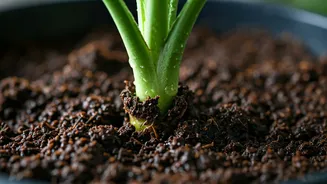
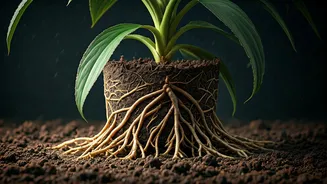
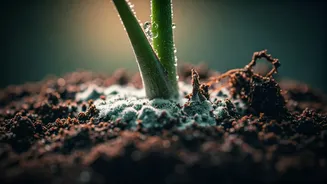
But plants don't operate on a calendar; they respond to their environment. Factors like sunlight, humidity, room temperature, and even the time of year all change how much water a plant uses. This loving-to-death approach often leads to root rot, the number one killer of indoor plants, where roots suffocate and decay in waterlogged soil. The key is to shift from a mindset of scheduled 'care' to one of responsive observation.
Learn to Speak Plant
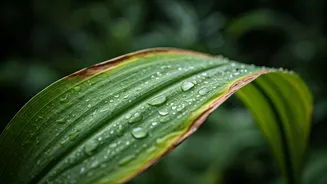
Your plants are constantly communicating their needs; you just have to learn their language. The leaves are the most obvious storytellers. Yellowing leaves, for instance, can be a sign of both overwatering and underwatering, creating confusion. However, there are subtle differences. With overwatering, leaves often turn yellow and feel soft or mushy, especially lower on the plant. With underwatering, the leaves will be dry, brittle, or crispy at the edges. Drooping can also be a sign of both, but again, the feel of the soil is the ultimate tiebreaker. A plant wilting in bone-dry soil is thirsty, while one wilting in soggy soil is drowning.
The Finger Test Is Your Best Friend
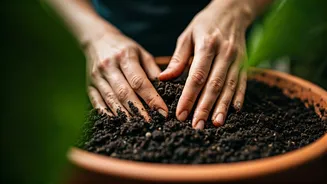
Forget watering schedules and fancy moisture meters. The most reliable tool is your own finger. Before you even think about picking up the watering can, stick your finger about one to two inches into the soil. If it feels moist, wait. If it feels dry, it’s time to water. This simple action accounts for all the environmental variables a calendar cannot. Over time, you'll develop an intuition. You can also try the 'lift test'; a pot with dry soil is noticeably lighter than one with moist soil. This responsive method ensures you water only when necessary, preventing the common problem of over-caring.
Observe the Environment, Not Just the Plant
A plant's health is also a direct reflection of its surroundings. Look at where your plant is placed. Is it stretching and becoming 'leggy'? That's a clear sign it's desperate for more light. Are the leaf tips turning brown and crispy? The air might be too dry, a common issue in air-conditioned rooms. You can increase humidity by misting the plant or placing it on a tray of pebbles with water. Scorched or pale leaves suggest the plant is getting too much direct sun. Don't be too quick to move a plant around, as they need time to acclimate, but if it's consistently showing signs of stress, a change of scenery based on your observations might be exactly what it needs.
Beyond Water and Light
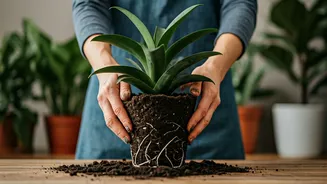
Observation extends to the entire plant system. Are roots growing out of the drainage holes? Is water rushing straight through the pot when you water? These are signs the plant is rootbound and needs a larger pot with fresh soil to thrive. Check the stems; they should be firm, not soft or mushy at the base, which can indicate rot. Periodically wiping down the leaves with a damp cloth removes dust, which can block light and hinder photosynthesis. This isn't about constant fussing, but about periodic, mindful check-ins. By looking closely, you can catch small issues before they become big problems.