


Beyond Water: The Electrolyte Equation
The old advice to simply drink more water during hot weather is incomplete and potentially risky for athletes. When you sweat, you lose more than just water; you lose essential minerals called electrolytes, with sodium being the most critical. Relying
on plain water to rehydrate during long or intense sessions can dilute the sodium levels in your blood, a dangerous condition known as hyponatremia, which can cause symptoms like nausea, confusion, and muscle weakness. True hydration balance is about replacing both the fluid and the electrolytes you lose, which is why sports drinks or electrolyte supplements are often necessary for efforts lasting over an hour.
Start Hydrated: The Pre-Workout Phase
Optimal hydration doesn’t begin when you start sweating; it begins hours, or even a day, before your workout. Arriving at a session already in a fluid deficit compromises your body’s ability to cool itself and perform. A good practice is to drink around 500-600 ml of fluid two to three hours before you start. This gives your body time to absorb what it needs and expel any excess. A simple way to monitor your everyday hydration status is by checking your urine colour—aim for a pale, straw-like yellow. If it’s dark, it’s a clear sign you need to increase your fluid intake well before you lace up your shoes.
Pacing Your Intake: Hydration During Exercise
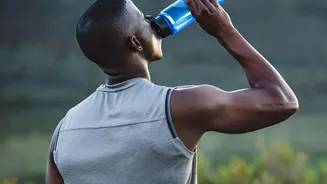
During the workout, the goal is to drink consistently to mitigate fluid loss, not to replace every drop in real-time. A general guideline is to consume 200-300 ml of fluid every 15-20 minutes, which translates to a few big gulps rather than chugging a whole bottle at once. For workouts lasting longer than 60 minutes, especially in the heat, this fluid should contain carbohydrates and electrolytes. The carbohydrates provide energy, while electrolytes, particularly sodium, help your body absorb and retain the fluid more effectively.
Know Your Sweat Rate: Personalising Your Plan
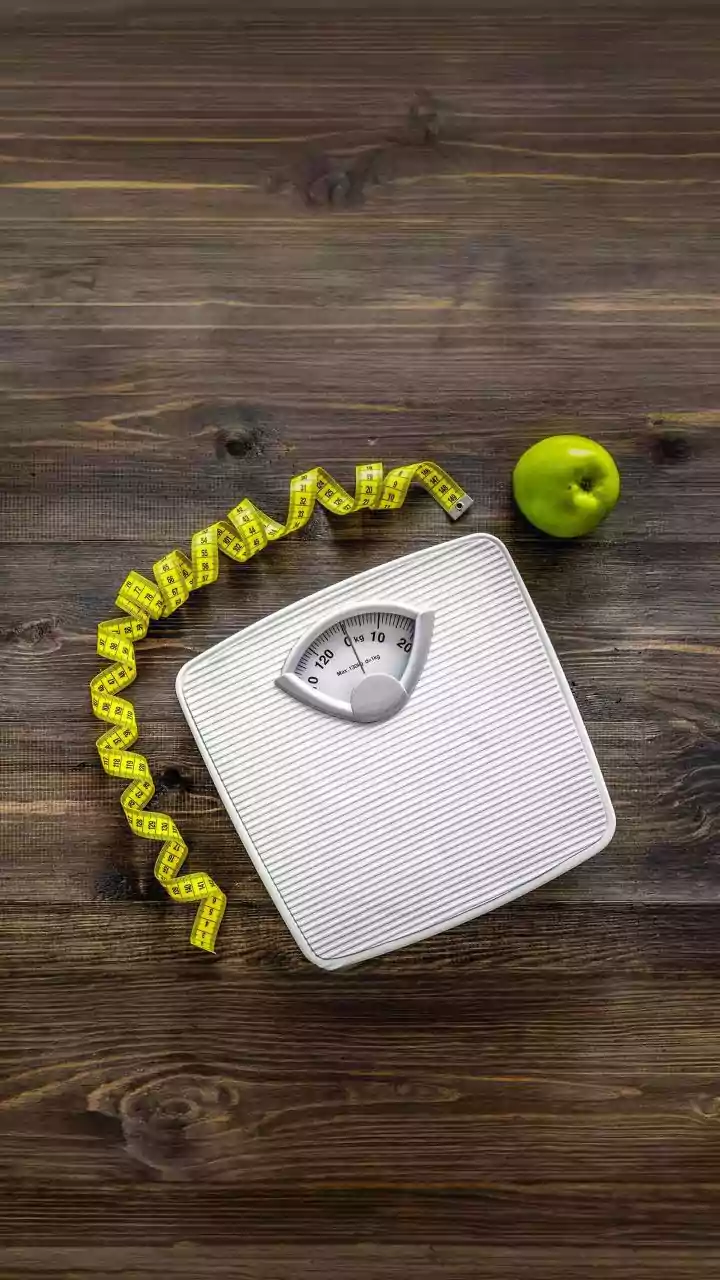
Every athlete is different, and a one-size-fits-all hydration plan doesn't exist. Factors like genetics, fitness level, and heat acclimation cause sweat rates to vary dramatically. To get a more personalized strategy, you can calculate your approximate sweat rate. Weigh yourself nude before and after a one-hour workout in conditions similar to your training environment. The difference in weight, plus the weight of any fluid you consumed, gives you a rough estimate of your hourly fluid loss. For example, losing 1 kg of body weight equates to about 1 litre of sweat lost. This number isn't a prescription to drink that exact amount, but a valuable guide to better understand your personal needs.
The Rebound: Post-Workout Recovery
The hydration process continues long after your workout ends. Replenishing fluids and electrolytes post-exercise is vital for recovery and preparing your body for the next session. A common recommendation is to drink 1.5 times the amount of body weight you lost during the activity. For instance, for every pound (or roughly 0.5 kg) lost, you should aim to consume about 20-24 ounces (600-700 ml) of fluid. This rehydration beverage should ideally contain sodium to help your body hold onto the fluid. Including a mix of fluids from water, electrolyte drinks, and even water-rich foods like watermelon can effectively restore balance.