



From 'Instagram Face' to 'Clean Girl' Glow
The perfectly carved, high-coverage 'Instagram Face' that dominated social media in the 2010s has given way to a much softer, more authentic aesthetic. Gen Z's approach isn't about appearing as if you're wearing no makeup at all; it’s about a deliberate,
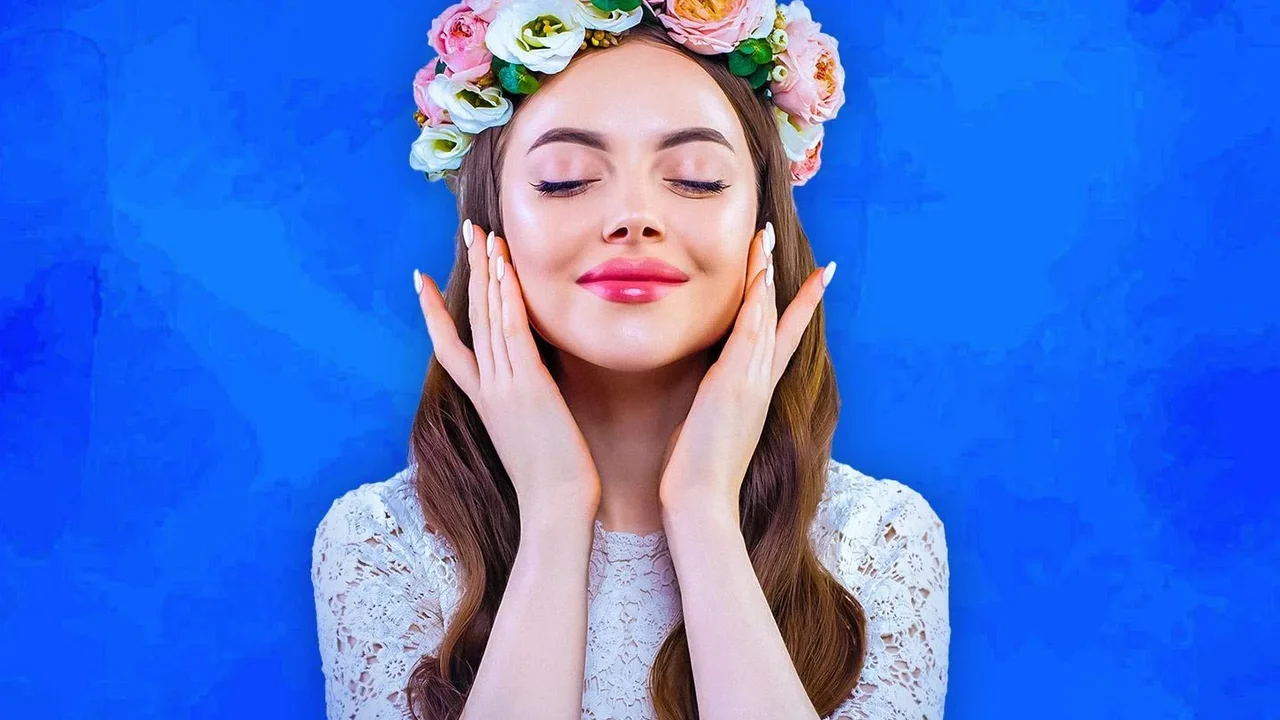
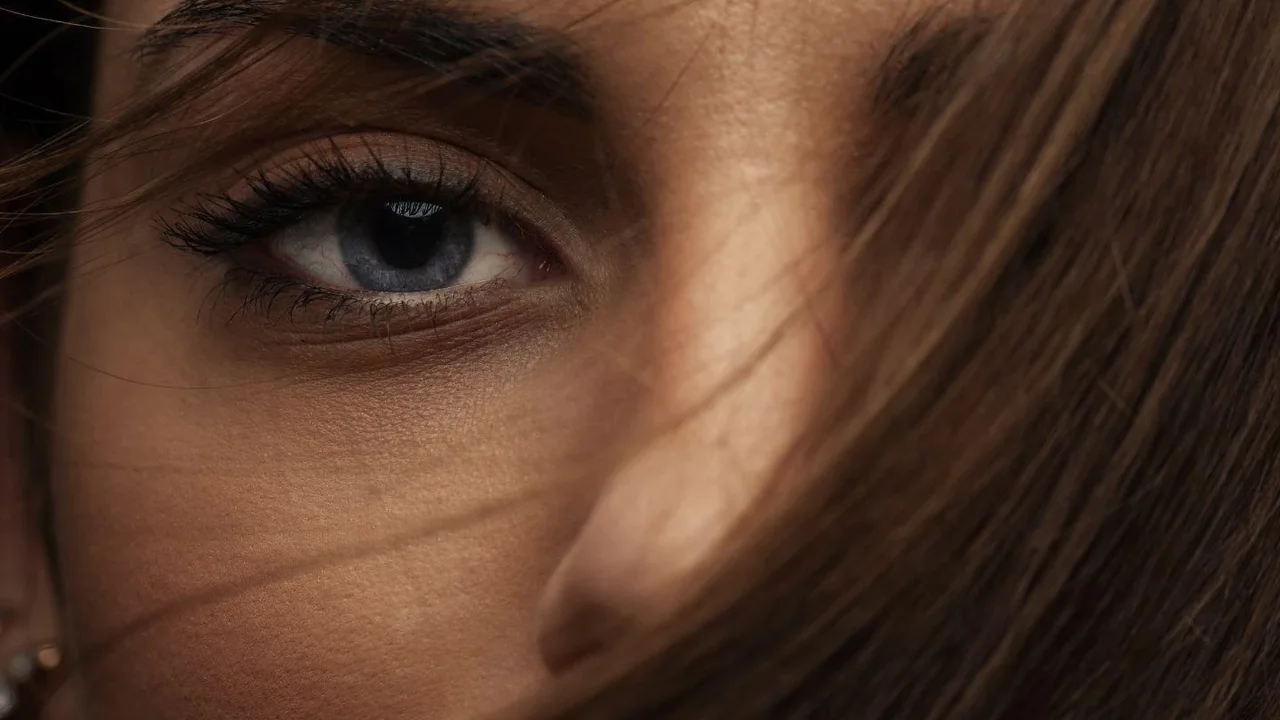
curated naturalism. This trend, often dubbed 'skinimalism' or the 'clean girl' look, prioritises a dewy, healthy, and hydrated complexion over a flawless, poreless finish. The goal has shifted from transformation to enhancement. Instead of hiding texture, the aim is to let real skin—with all its natural variations—shine through, aided by lightweight, breathable products that even, hydrate, and add a touch of radiance.
The Skincare-First Philosophy
At the heart of this trend is a fundamental change in priorities: skincare is now the main event, and makeup is the supporting act. Gen Z consumers are more likely to invest their time and money in improving their skin's health rather than just covering it up. This generation grew up with access to information from dermatologists on platforms like TikTok and can speak fluently about active ingredients like niacinamide, hyaluronic acid, and ceramides. They understand that a great makeup look starts with a healthy skin barrier. This has fueled the rise of ingredient-transparent and affordable skincare brands, as routines focus on gentle cleansers, hydrating serums, and, most importantly, daily sun protection.
A Rejection of Complicated Routines
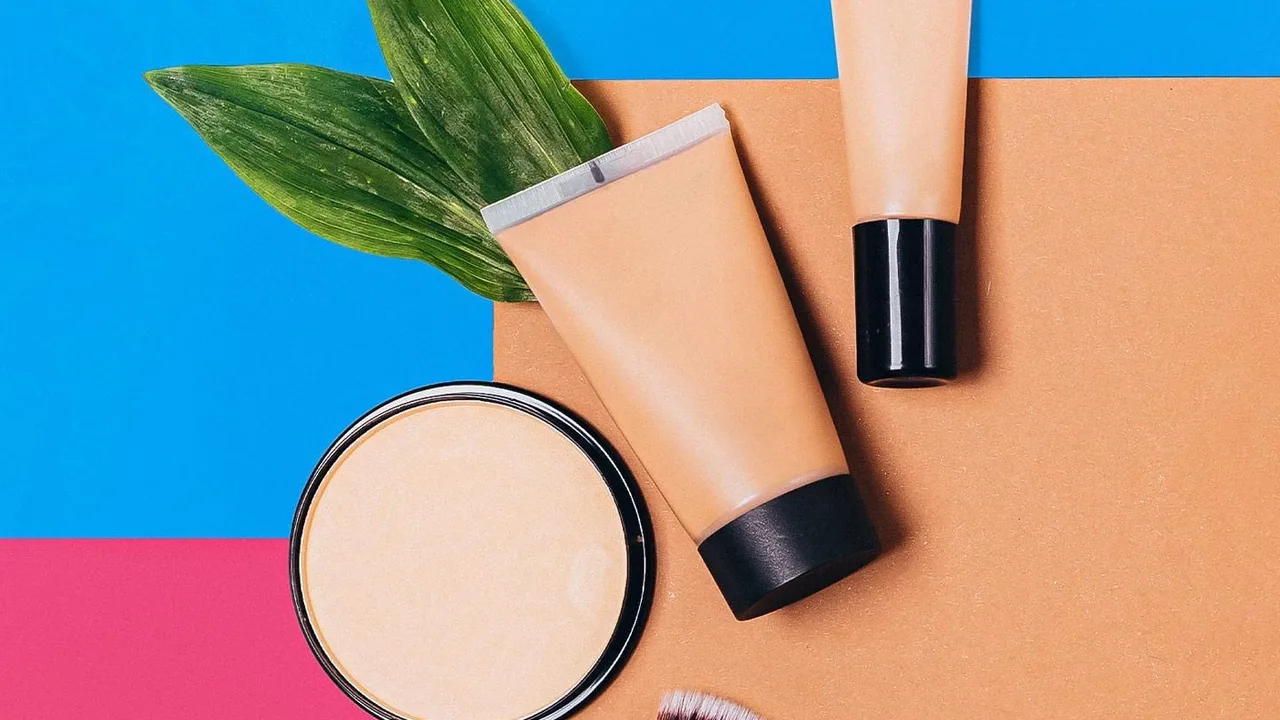
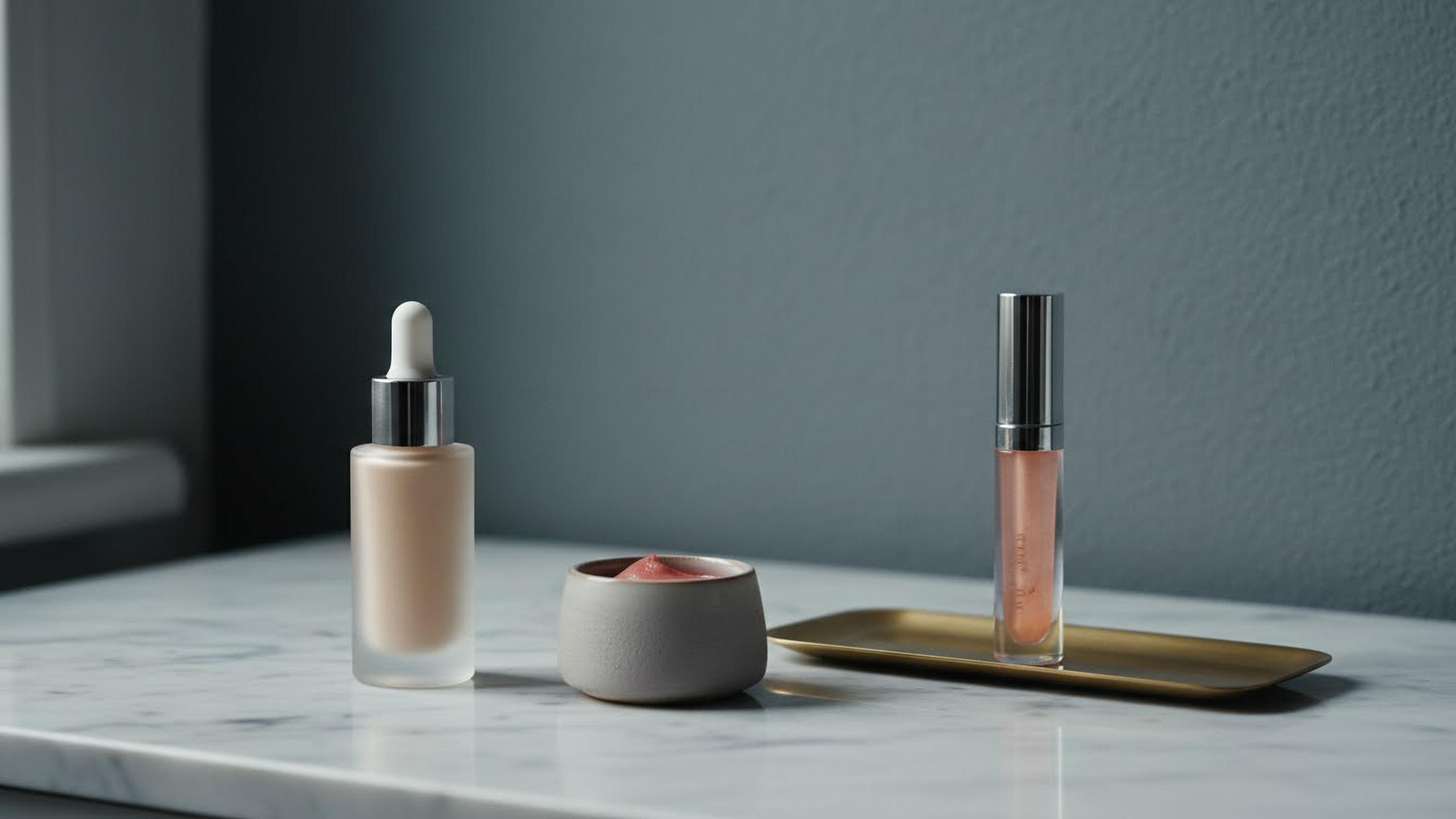
Skinimalism is a direct response to the overwhelming 10- or 12-step beauty routines that were once popular. Gen Z values efficiency and intention. They prefer using fewer, harder-working products. This has led to a surge in demand for multi-functional items like tinted moisturisers that double as primers, SPF-serum hybrids, or lip-and-cheek tints that streamline the getting-ready process. This minimalist approach is not just about saving time; it's also rooted in a desire for sustainability. Using fewer products means less packaging, less waste, and a smaller environmental footprint—values that are deeply important to this generation.
Authenticity in the Age of TikTok
Unlike the polished perfection of Millennial-era Instagram, TikTok's culture rewards authenticity, relatability, and unfiltered moments. This has had a profound impact on beauty standards. The platform has become a space where creators and users are more willing to show their real skin, discuss struggles with acne, and debunk product myths. Gen Z has become highly discerning, valuing transparency from brands about ingredients, sourcing, and effectiveness. They are quick to call out gimmicks or exaggerated claims. This demand for honesty has made brands pivot towards showing more realistic results and building trust through clear, science-backed communication.
The New Beauty Status Symbol
If bold brows and a sharp contour were once status symbols, today’s equivalent is healthy, glowing skin. Achieving this look signifies a commitment to self-care and wellness. It suggests you have the knowledge to pick the right ingredients and the discipline to maintain a consistent routine. This shift treats skincare as a form of health, not just a cosmetic pursuit. While the look is 'natural,' it is by no means effortless. It's an investment—in time, research, and products—that showcases skin health as the ultimate luxury, moving the focus from what you put on your face to the quality of the canvas underneath.