

The Gut-Space Connection
Our digestive systems are home to trillions of microorganisms, collectively known as the gut microbiome. This complex ecosystem is essential for our well-being, helping to break down food, regulate our immune system, and even influence our mood and mental
health. On Earth, we rarely think about the delicate balance within our gut. But in the extreme environment of space, this internal world is thrown into chaos, posing a significant risk for long-duration missions like a trip to Mars.
Microgravity's Slowdown Effect
On Earth, gravity helps move food through our digestive tract. In the microgravity of space, the body must rely solely on the muscular contractions of the intestines, a process called peristalsis. Recent research suggests this change causes food to move much more slowly through the gut. This slowdown has a significant knock-on effect. Gut microbes, which normally ferment carbohydrates and fiber for energy, run out of their primary food source. They then switch to fermenting protein, a process that releases different compounds into the body and is linked to constipation—a common complaint among astronauts.
Radiation and a Leaky Gut
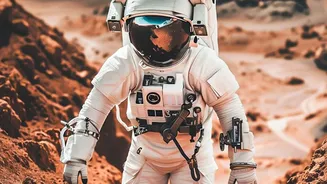
Beyond Earth's protective magnetic field, astronauts are exposed to higher levels of space radiation, including galactic cosmic rays. This radiation can damage the delicate lining of the intestine, leading to a condition sometimes called “leaky gut,” where the barrier becomes more permeable. This could interfere with how astronauts absorb nutrients and regulate their immune responses. Studies on mice exposed to space-relevant proton radiation showed persistent and significant changes in the gut, including a loss of beneficial bacteria, even at relatively low doses.
The Martian Menu Problem
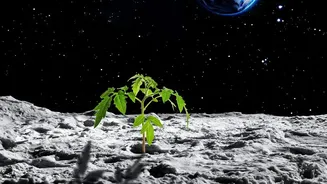
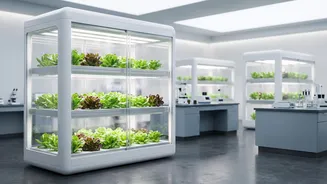
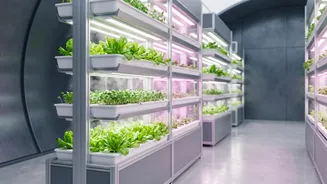
The diet on a long-duration mission is another major factor. Astronauts rely on a menu of pre-packaged, shelf-stable foods. While designed to be nutritious, this diet often lacks the variety and fresh, fiber-rich foods that promote a diverse and healthy microbiome on Earth. A less diverse diet can lead to a less diverse gut ecosystem, making it more vulnerable to disruption. Some studies have found that space-grown plants may even have lower concentrations of key nutrients compared to their Earth-grown counterparts, adding another layer to the dietary challenge.
Stress, Sleep, and Isolation
A mission to Mars will be psychologically demanding. Astronauts will face prolonged isolation, confinement, and altered sleep schedules due to the lack of a natural day-night cycle. These stressors are known to have a direct impact on the gut microbiome through what is known as the gut-brain axis. Stress hormones can alter microbial composition, potentially worsening immune dysregulation and mood disturbances. Some microbial changes seen in astronauts are similar to those in people on Earth experiencing psychological distress, highlighting the deep connection between mental well-being and gut health.
Searching for Solutions
Solving the gut health puzzle is crucial for the success of future Mars missions. Researchers are exploring several countermeasures. One promising avenue is dietary intervention. A diet richer in “slow-fermented carbohydrates,” such as those found in vegetables and high-fiber foods, could provide a more sustained energy source for gut microbes, preventing the problematic switch to protein fermentation. Other potential solutions include the development of specialized prebiotics and probiotics to support a healthy microbiome and even bioengineering space-grown crops to have higher nutrient content. Ongoing research aboard the International Space Station and in Earth-based analogs continues to provide vital data to keep our space explorers healthy on their journey into the unknown.