



The End of Scribbled Notes?
For generations, the sound of a lecture hall was a professor's voice underscored by the furious scratching of pens. The challenge has always been the same: how to listen, understand, and write all at once. This cognitive juggling act often means students
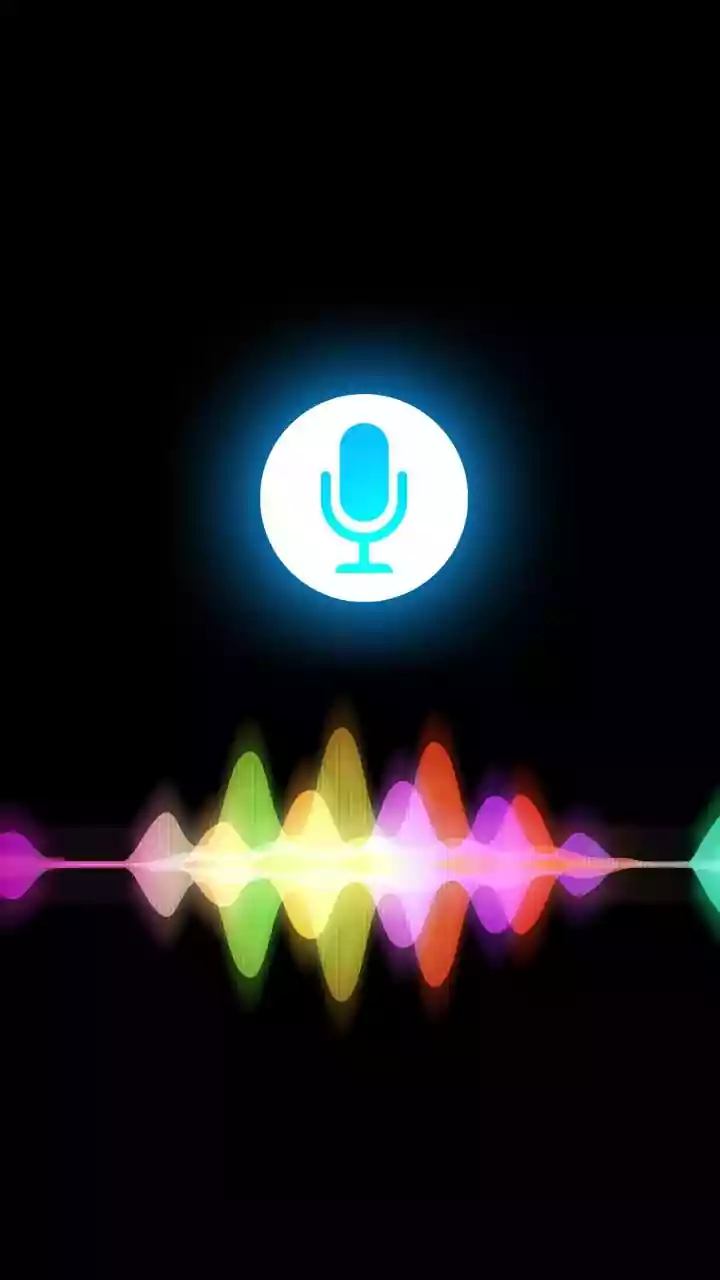
miss crucial details while trying to capture others. Speech-to-text AI offers a powerful solution to this age-old problem. At its core, this technology uses artificial intelligence to record and transcribe spoken language in real time or from an audio file. Instead of just a raw audio recording, students get a searchable, editable text document of the entire lecture. This allows them to shift their focus from being a stenographer to an active listener, engaging with the material, asking questions, and absorbing concepts without the fear of falling behind on their notes.
A Game-Changer for Student Focus and Revision
The benefits of integrating AI transcription into a study routine are significant. Firstly, it enhances focus during class. Freed from the burden of manual note-taking, students can participate more actively in discussions and think critically about the subject matter. Secondly, it creates a perfect, comprehensive record. Every definition, example, and tangent is captured, creating a complete knowledge base that can be reviewed later. Many AI tools can also automatically generate summaries, pull out key terms, and even create flashcards or quizzes from the transcript. This transforms hours of lecture content into digestible study aids, making revision far more efficient. Furthermore, these tools are a massive boost for accessibility, providing crucial support for students with hearing impairments, physical disabilities, or learning differences that make traditional note-taking a challenge.
Top AI Tools for the Modern Student
A growing number of AI tools cater specifically to students and professionals. Otter.ai is one of the most popular, known for its real-time transcription and ability to create summaries and identify different speakers. It offers a free tier, making it accessible for those on a student budget. For those needing multilingual support, tools like Happy Scribe or Votars are excellent choices, with some platforms offering specific optimisations for Indian languages and accents. Built-in features on platforms many students already use, like Google Docs Voice Typing and Notion AI, are also powerful options. Google’s offering is free and supports over 100 languages, while Notion AI can help structure and summarise notes you've already pasted into its workspace. For users prioritising video, Descript offers robust transcription integrated with video editing capabilities.
How to Use Your AI Scribe Effectively
Simply recording a lecture is not a magic bullet for better grades. To get the most out of these tools, students should adopt a smart workflow. First and foremost, always get permission from the instructor before recording a class session. During the lecture, use the freedom from note-taking to listen intently. After class, it's crucial to review the AI-generated transcript. While accuracy has improved dramatically, AIs can still struggle with technical jargon, accents, or poor audio quality. Correcting any errors while the lecture is fresh in your mind is key. Use the AI's summary and keyword features to build your own study guides, rather than relying on the raw transcript alone. The goal is to use the tool as a powerful assistant that aids learning, not as a replacement for engaging with the material.
Limitations and Ethical Considerations
Despite their power, AI transcription tools are not without their weaknesses. Accuracy can be a significant issue, especially in noisy classrooms or with speakers who have strong accents. This can lead to a transcript riddled with errors that requires significant time to clean up. There are also privacy concerns to consider, as lectures are recorded and processed, often on cloud servers. Students and educators must be aware of the data policies of the service they are using. Furthermore, there's the risk of becoming a passive learner. Over-reliance on a tool to capture everything can diminish one's ability to synthesise information in real-time. Finally, many of the most advanced features are locked behind paid subscriptions, and while free tiers exist, they often have limitations on transcription minutes or file length that may not be sufficient for a full course load.