





Beyond the Brocade and Brass
Think of traditional Indian interiors, and your mind likely conjures a rich tapestry of sensory experiences: deep jewel tones, intricate wood carvings, the gleam of brass lamps, and rooms filled with inherited artifacts and lush textiles. This style,
a celebration of history, family, and abundance, has been the aesthetic foundation for generations. It’s a design language where 'more is more' isn't just a philosophy; it’s a reflection of a culture that cherishes layers of meaning, color, and craft. But as India’s urban centers rapidly modernize, a quiet but significant aesthetic shift is underway. A growing number of homeowners, particularly millennials and Gen Z, are looking past the ornate and embracing a different kind of luxury: the luxury of space.
The Urban Squeeze and Global Gaze
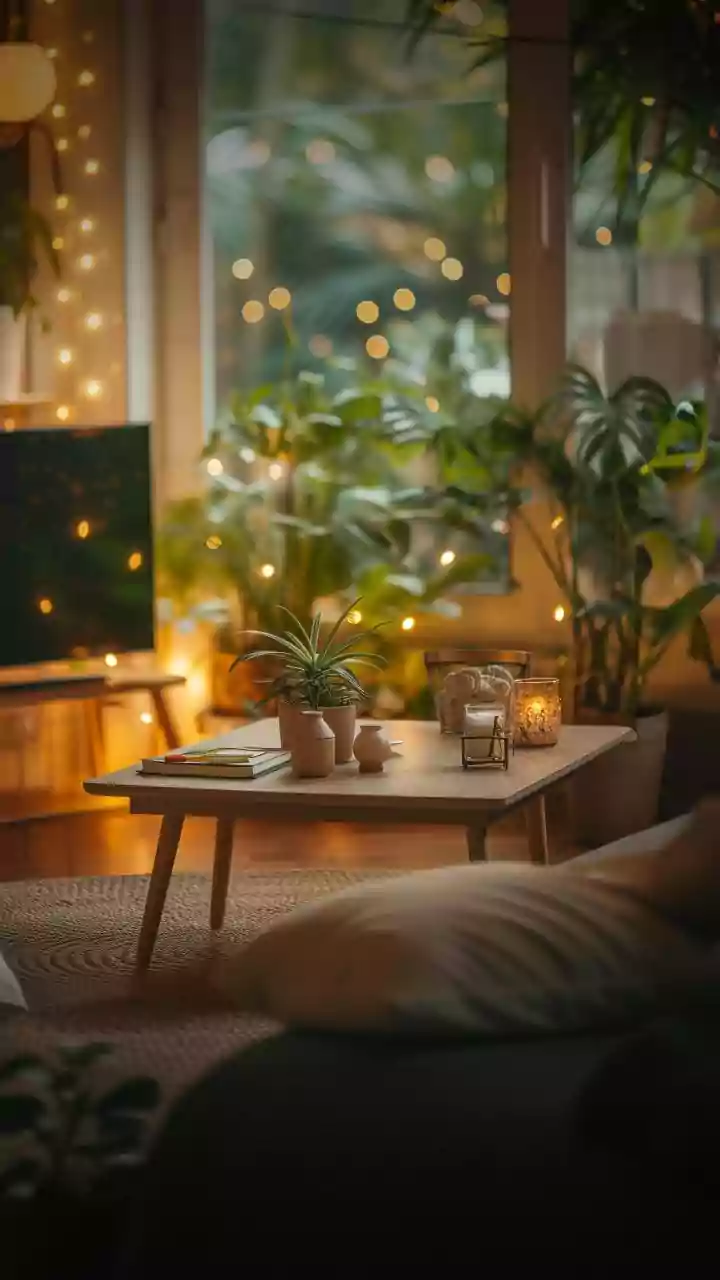
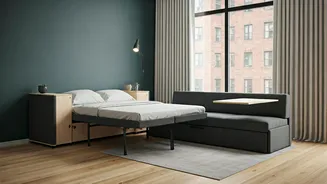
So, what’s driving this change? A major factor is simple pragmatism. As millions move to bustling metropolises like Mumbai, Delhi, and Bengaluru, living spaces are shrinking. The sprawling family home is often replaced by a two-bedroom apartment where clutter can quickly become chaos. A minimalist approach isn’t just a style choice; it’s a practical solution for modern urban life, creating a sense of calm and order in a compact environment. At the same time, increased global exposure through travel and the internet has introduced a new visual vocabulary. Platforms like Pinterest and Instagram have beamed Scandinavian, Japanese, and Californian minimalist aesthetics directly into Indian homes. This exposure has resonated with a generation that is globally connected and looking to define its own version of modernity. They see the appeal of clean lines and uncluttered surfaces as a visual respite from the sensory overload of city life.
What 'Indian Minimalism' Actually Looks Like
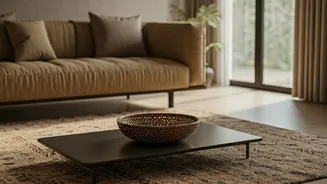
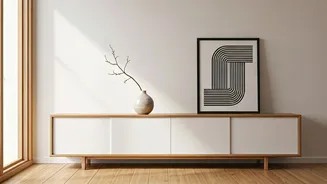
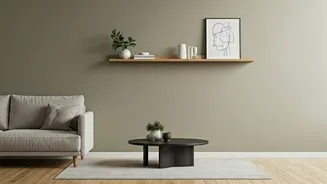
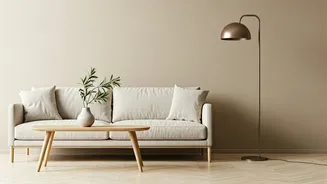
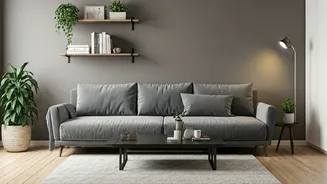
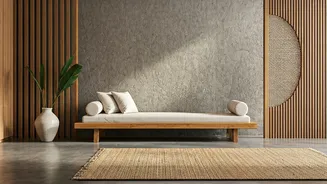
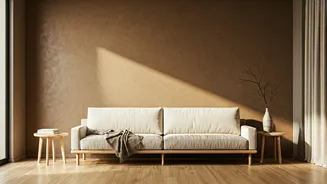
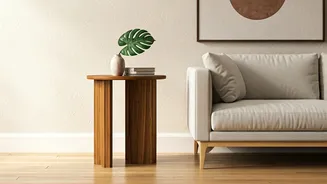
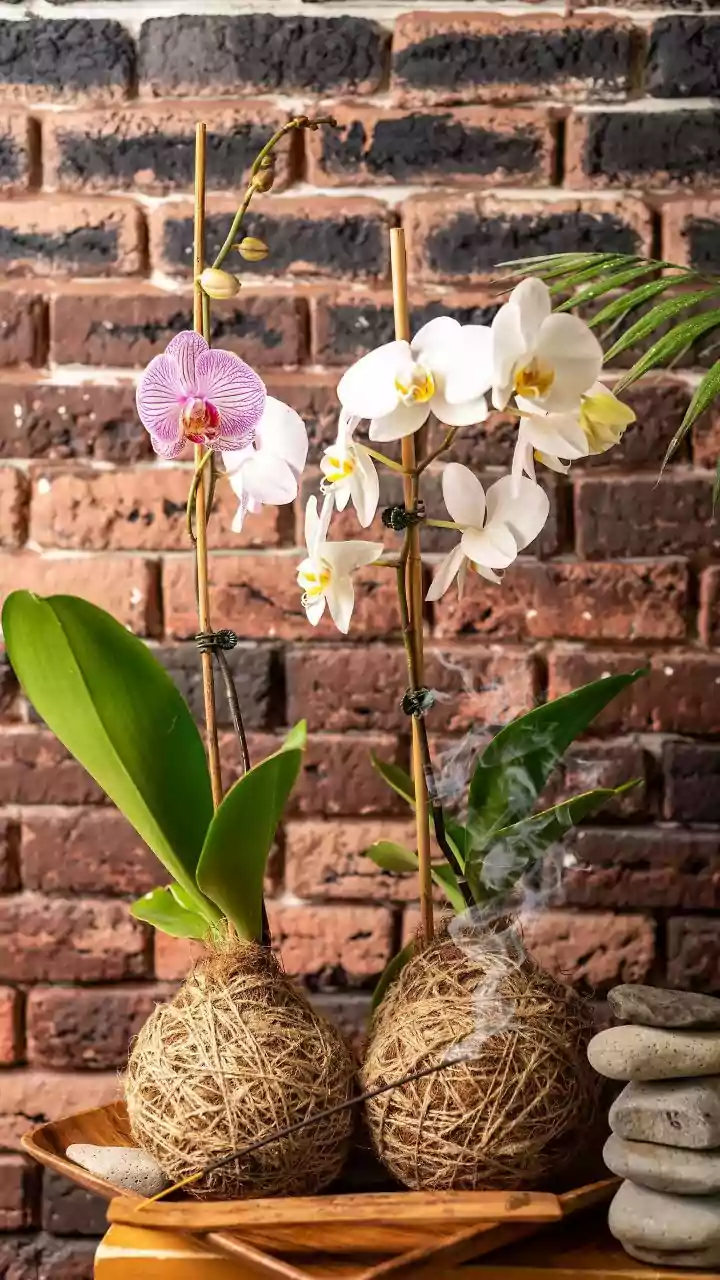
This isn't a simple copy-paste of Western minimalism. You won't find many stark, all-white rooms that feel cold or impersonal. Instead, Indian minimalism is a hybrid style, often called 'Modern Indian' or 'India Modern.' It’s about decluttering while holding onto soul. The principle is 'less, but better.' The palette is often neutral and earthy—think terracotta, beige, muted greens, and warm whites—which provides a calm backdrop for select, meaningful objects. Instead of a dozen small curios, a single, beautifully crafted wooden console or a cherished piece of ancestral art becomes the focal point. Natural, locally sourced materials are key: teak and sheesham wood, rattan, cane, jute rugs, and handwoven cotton textiles (khadi) bring texture and warmth. The result is a space that feels both contemporary and deeply rooted.
Giving Heritage Room to Breathe
Perhaps the most compelling aspect of this trend is how it re-contextualizes tradition. Instead of being one of many items in a crowded room, a single, beautifully carved Rajasthani chest or a vintage pichwai painting is given the space it deserves. It’s no longer just another piece of furniture; it’s a statement, a story, a piece of heritage that anchors the entire room. Artisanal crafts, which have always been central to Indian identity, are finding a new platform. A hand-thrown ceramic pot or a block-printed cushion stands out in a minimalist setting, its craftsmanship and imperfections celebrated. In this way, minimalism isn't erasing Indian culture; it's curating it, allowing the most beautiful and meaningful elements to shine.