



An Unintentional Bullseye
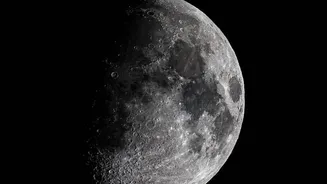
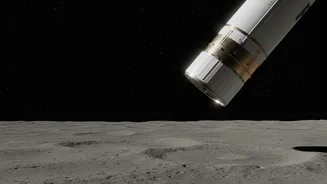
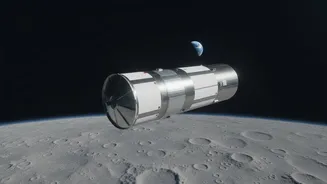
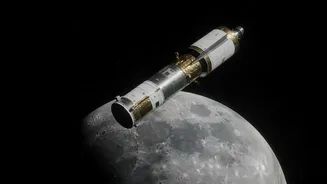
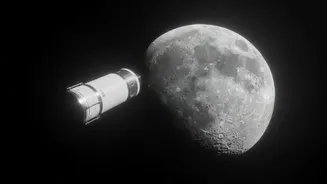
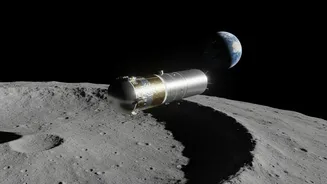
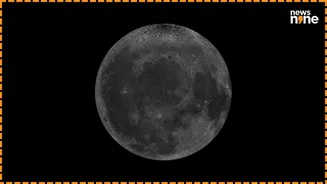
A four-tonne upper stage of a SpaceX Falcon 9 rocket is on a collision course with the Moon. The bus-sized object, officially catalogued as 2025-010D, is leftover from a mission launched in January 2025 that carried two private lunar landers. After successfully
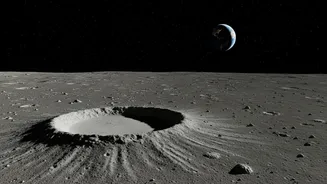
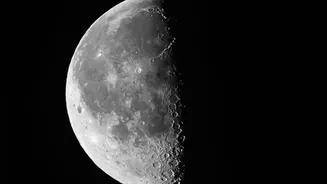
completing its primary mission, the rocket segment was left in a chaotic orbit. Now, astronomers like Bill Gray of Project Pluto have calculated that its journey will end with a high-speed impact near the Moon's Einstein crater. While the collision itself poses no danger, it is a stark and visible reminder of the debris we leave behind in space. This marks the second known time a dead rocket has accidentally crashed into the Moon, following a Chinese rocket segment in 2022.
A Scientific Opportunity
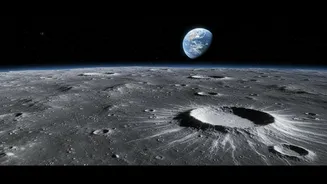
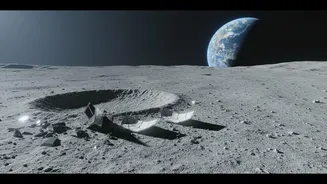
While the impact highlights a problem, scientists are also treating it as a unique, if unplanned, experiment. The crash is expected to carve out a crater roughly 18 to 27 meters wide. The resulting plume of dust and rock, potentially rising for several miles, could give scientists a rare glimpse of the material just below the lunar surface. Orbiters like NASA's Lunar Reconnaissance Orbiter plan to capture before-and-after images of the crash site to analyze the crater and ejecta. These observations provide valuable data on the Moon's geology and help refine models for future lunar exploration, especially as NASA plans for a more permanent human presence.
The Bigger Picture: A Junkyard in Orbit
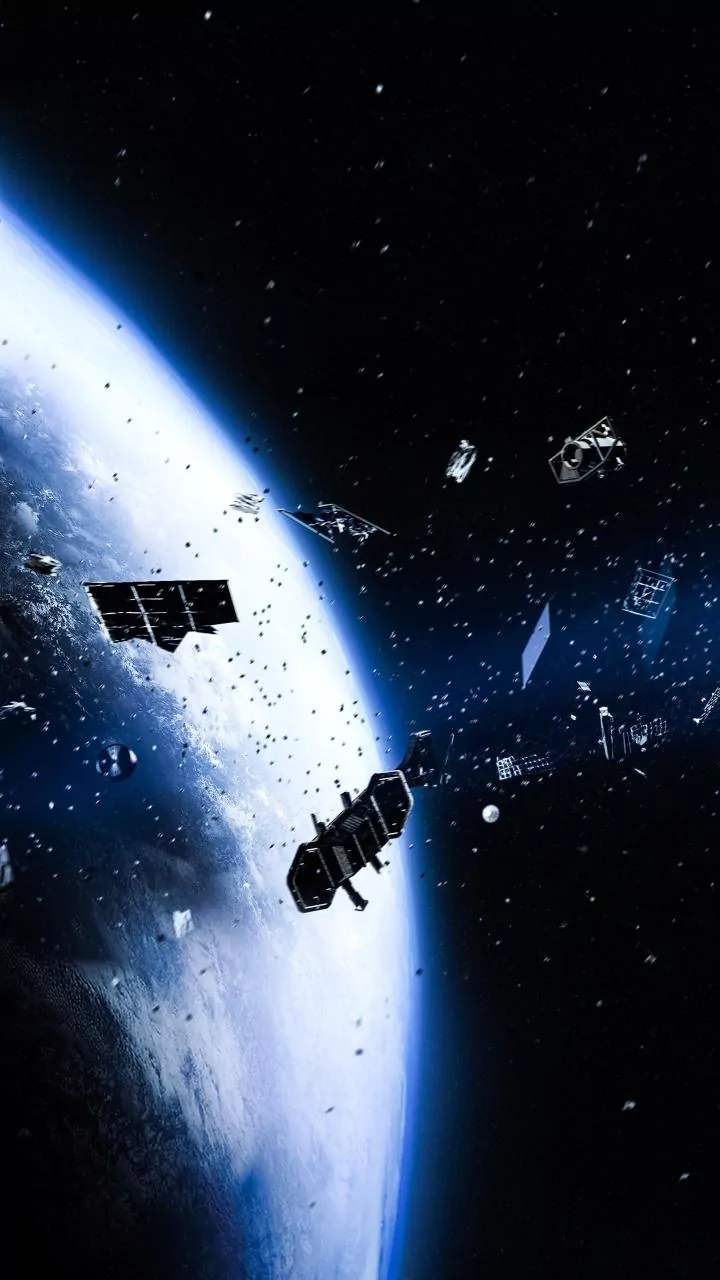
This lunar impact is a dramatic sideshow to the main event: the escalating problem of space debris in Earth's orbit. According to some estimates, there are over 1.2 million pieces of debris larger than 1 cm orbiting our planet. Even tiny fragments traveling at speeds up to 28,000 km/h can cause catastrophic damage to active satellites. These satellites are the backbone of modern life, providing everything from GPS navigation and financial services to weather forecasting and military communications. A collision could not only destroy a multi-million dollar satellite but also create thousands more pieces of debris, triggering a chain reaction known as the Kessler Syndrome, which could render certain orbits unusable for generations.
The Rise of Space Traffic Control
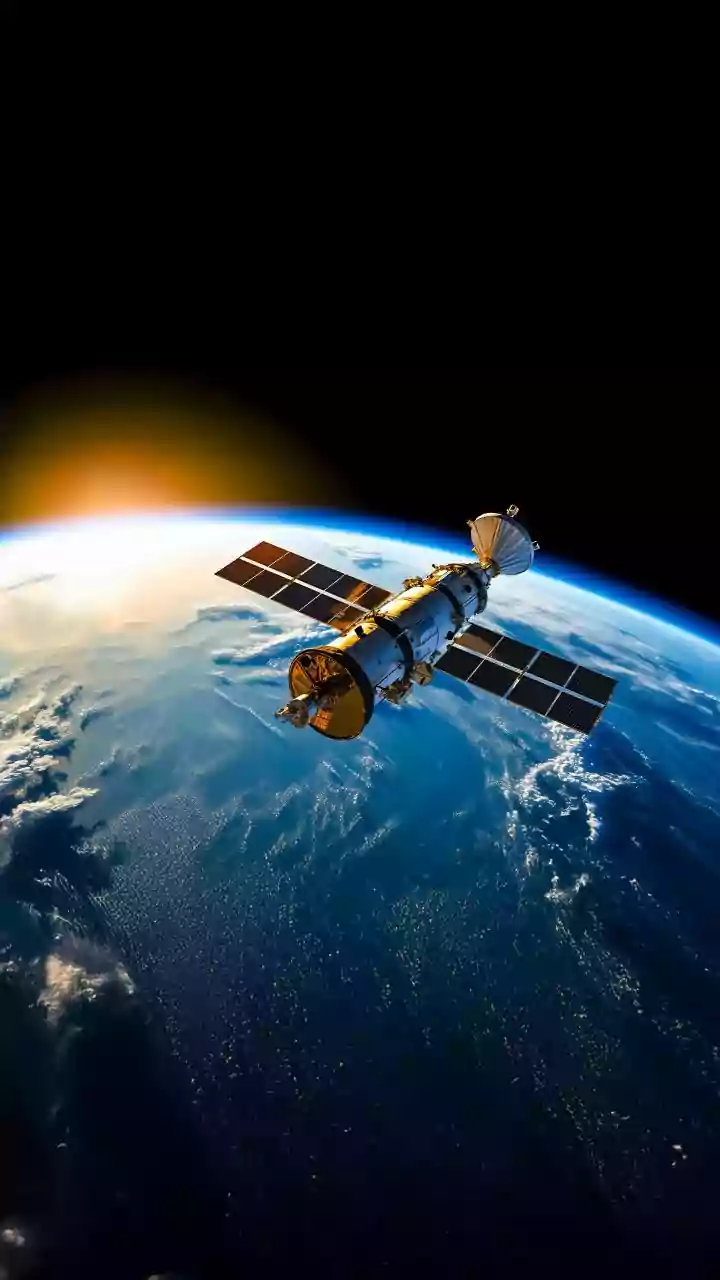
As the space around Earth becomes more congested, a new industry is emerging: Space Situational Awareness (SSA), or space traffic control. Governments and private companies are developing sophisticated radar and optical systems to track tens of thousands of objects. Companies like LeoLabs use ground-based radars, while others develop advanced software to predict potential collisions, allowing satellite operators to perform avoidance maneuvers. This tracking is crucial not only for protecting assets but also for national security, helping to distinguish between inert debris and potential threats. The ultimate goal is to create a managed system for the increasingly busy highways of space, much like air traffic control does for our skies.
Cleaning Up Our Cosmic Mess
Tracking debris is only half the battle; the other is removal. Various strategies for Active Debris Removal (ADR) are being developed, from robotic arms and harpoons to giant nets and lasers designed to nudge junk out of orbit to burn up in the atmosphere. At the same time, there is a push for greater responsibility in mission design. This includes creating satellites with built-in end-of-life plans, such as mechanisms to de-orbit themselves or move to a designated 'graveyard orbit' far from active satellites. Without a combination of better tracking, active removal, and sustainable practices, the freedom to explore and utilize space that we currently enjoy could be seriously jeopardized by our own leftovers.